
An Austin 3PL With the Warehouse Actually in Austin
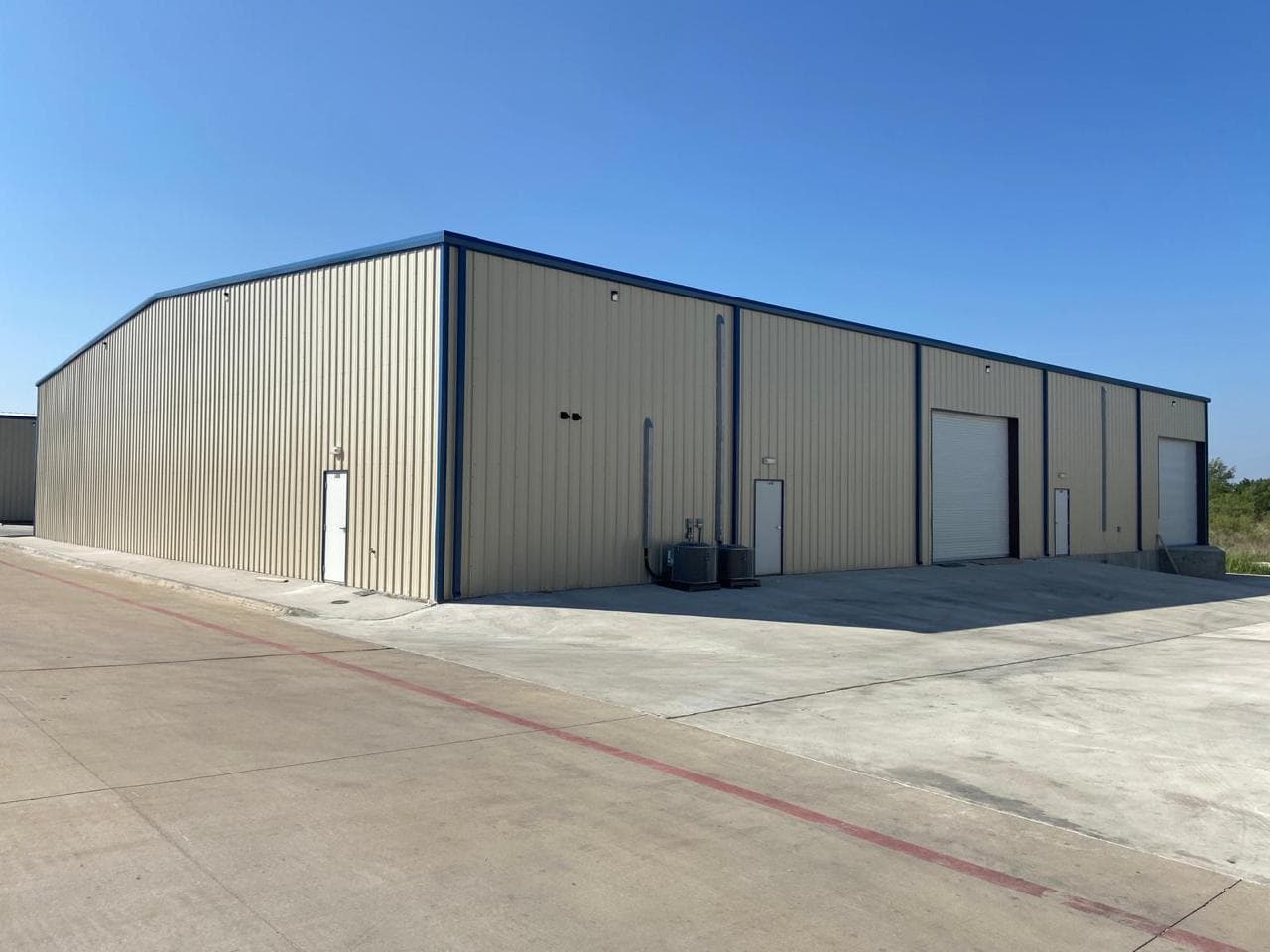
A lot of pages that rank for this search belong to companies whose nearest building is in another state. RitePrep runs one warehouse, in Austin, Texas, and every order we ship leaves from it. This page explains what an Austin 3PL is, what a local operator does differently from a node in a national network, and how to check that a provider really has a building here.
What Is an Austin 3PL?
An Austin 3PL is a third-party logistics provider that stores a brand's inventory in a warehouse in or near Austin, Texas, and picks, packs and ships its orders from there. The brand keeps ownership of the goods. The provider supplies the building, the labor, the software and the carrier accounts.
The phrase gets used for three different arrangements, and they are not interchangeable. The first is an operator that runs a warehouse in the Austin metro and ships your orders out of it. The second is a national network that treats Austin as a market it serves, with your pallets sitting at whichever site in its network has space. The third is a broker that arranges warehousing without operating any of it.
All three can be a reasonable choice. They are just very different purchases, and the difference only shows up later: when inbound freight has to be rerouted, when you want to look at your own stock, or when something goes wrong at four in the afternoon and you need a person who can walk to the shelf.
What Does an Austin 3PL Actually Do?
The core of the job is the same anywhere: receive inbound inventory and check it against the packing list, store it in locations chosen for retrieval speed, take orders from your store or marketplace, pick and pack each one, buy and apply the shipping label, hand the parcel to a carrier, and pass tracking back to your store. Returns come back through the same building.
Around that core sit the jobs a warehouse does to product rather than to orders: kitting units into bundles, applying retail or barcode labels, prepping cartons to Amazon's inbound requirements, and reworking packaging that arrived wrong. These are usually where a local operator earns its place, because they are the requests that do not fit a standard playbook.
How to Check the Warehouse Is Really in Austin
Ask for the ZIP code of the building your inventory will physically sit in, not the city the page is written about. Ask whether inbound freight is delivered to that building or transferred there from somewhere else. Ask whether you can schedule a visit, and listen to how quickly the answer arrives. A location page written about a market will answer all three slowly.
To be fair to the large networks, several of them are straightforward about this. More than one national provider publishes an Austin page that says plainly it has no fulfillment center in Austin and explains what it offers instead. That is the honest version. The problem is the pages that never say it either way.
A Local Austin 3PL vs a Node in a National Network
This is the real decision behind the search. Both models work. They fail in different places, and the column that suits you depends on how your orders are spread and how much volume you ship.
| 3PL that operates the Austin building | Node in a national network | |
|---|---|---|
| Who fixes a problem | The people who run the floor. Usually the same names on every call. | A support queue that escalates to whichever site is holding your stock. |
| Seeing your inventory | You can arrange to walk the aisle your pallets are sitting in. | Possible in principle, but the stock may be in a state you would fly to. |
| Non-standard requests | Decided by the operator, so a rework or a custom insert is a conversation. | Fine when it fits the standard playbook, otherwise it becomes an exception. |
| Multi-region distribution | One origin. Every order ships from Austin, near or far. | The genuine advantage: split stock across regions to cut zones and days. |
| Very high volume | Capacity is bounded by one building and how that building is staffed. | Built for it, with more sites and more automation to absorb the spikes. |
| Minimums and terms | Set by the operator, so they tend to be negotiable rather than published. | Standardized across many accounts, which usually means a volume floor. |
| Software and reporting | A smaller software surface, with more of the exceptions handled by people. | Mature dashboards, APIs and analytics built to run at scale. |
| Onboarding | Scoped directly with the people who will be doing the work. | Runs through a defined process with an implementation team. |
Neither column is the winner. The question worth answering is whether your orders ship well enough from one central origin, or whether they are spread widely enough that splitting inventory across regions pays for the extra complexity it brings.
Where an Austin Search Usually Goes Wrong
Searching for a 3PL by city is reasonable. The results make it harder than it should be, because a location page is cheap to publish and a warehouse is not.
The page is written about a market, not a building, so 'Austin' can quietly mean a site in another state.
Inbound freight is quoted to Austin, then transferred onward to whichever site has space that week.
A warehouse visit turns into a scheduled call once you ask which building your pallets are in.
Local drop-off and collection are assumed on both sides, then turn out not to be available.
Nobody on the call has ever stood on the floor where your product is going to live.
One question sorts most of it out: what is the ZIP code of the warehouse my inventory will sit in?
What We Handle From the Austin Warehouse
Everything below happens in one building. Nothing is transferred to a partner site, because there is no partner site.
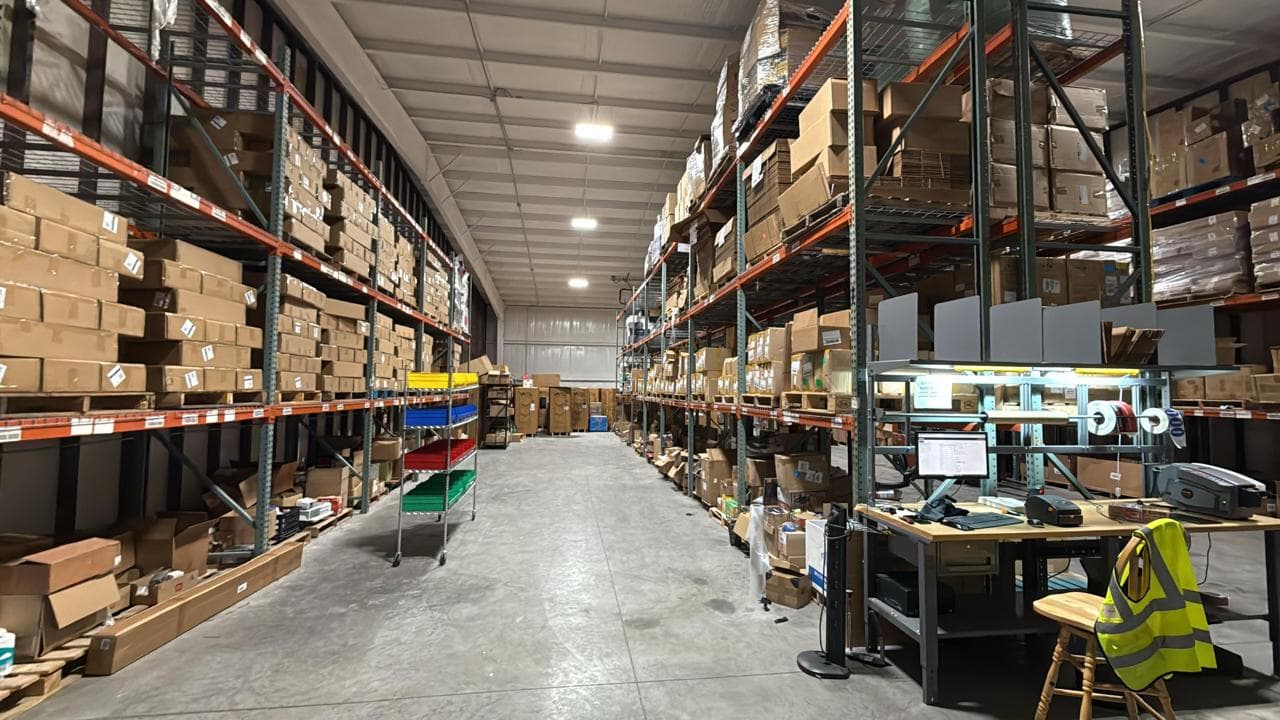
Receiving and Put-Away
Inbound shipments are counted, checked against your packing list, and put away into slotted storage.
Storage and Inventory Counts
Stock is held in locations chosen for retrieval speed, with counts you can see rather than guess at.
Pick and Pack
Orders sync from your store, get picked, verified at the pack station, packed and labeled.
Carrier Handoff and Tracking
The parcel is tendered to the carrier and tracking flows back to your store automatically.
Returns
Returns come back to the same building, get inspected, and go back to sellable stock or a disposition.
Kitting, Prep and FBA
Bundles, inserts, barcode labeling, and cartons prepped to Amazon's inbound requirements.
Each of these has its own page if you want the detail: warehousing and storage, pick and pack, returns management, kitting and Amazon FBA prep. How the parcel leaves the building is covered under shipping and logistics. The separate question of when a central origin beats a coastal one for a brand selling nationally is answered on our Texas 3PL page, and the official USPS zones from Austin to major US metros are on our shipping zones from Austin page. If you are still working out what any of this should cost, the 3PL pricing guide breaks the fee structure down line by line, and how to choose a 3PL is the checklist to run us against.
How Working With Us Starts
Send Us Your Real Numbers
Order volume, units per order, SKU count, and roughly how much space your stock needs. A quote built on anything else is guesswork.
We Scope It Against the Floor
We check what your product needs in storage and at the pack station before quoting, not after.
Connect Your Store
Your store or marketplace connects to our system so orders route to the warehouse without manual entry.
Ship Your Inventory In
Inbound freight comes to the Austin warehouse. We receive it, count it, and slot it.
We Pick, Pack and Ship
Orders are picked, verified, packed, labeled and tendered to the carrier, with tracking synced back.
We Review What Broke
Mispicks, damages and carrier exceptions get looked at by name rather than averaged into a report.
Who a Local Austin 3PL Suits
The local model earns its place in some situations and not others. These are the ones where it holds up.
What One Building Buys You, and What It Costs You
We would rather you picked the right model than picked us. Here is the trade in both directions.
One Origin, No Routing
Every order ships from the same place, so there is no question of which site holds a SKU, and no split-shipment surprises when it is in the wrong one.
The Operator Answers
Questions go to the people who run the floor. That is the difference between an explanation and a ticket number.
Exceptions Are Cheap
A custom insert, a rework, or a rush order for a launch is a decision someone can make, not a change request that has to fit the platform.
Central Texas Geography
On the official USPS zone chart, none of 24 major US metros is Zone 8 from Austin, against 8 from Los Angeles and 8 from Newark. The average zone is only modestly lower, so the gain is the worst case. The full zone table shows where a coast still wins.
The Honest Limit
One warehouse is one warehouse. We cannot split your inventory into regional nodes, and at very high volume a multi-node network will beat a single origin on both zones and transit days.
The Other Honest Limit
Our software surface is smaller than a national platform's. More of the edge cases are handled by people, which is a feature at our size and a constraint at a much larger one.
If your order map is heavily weighted to one coast, or you are shipping at a volume where a second node clearly pays for itself, a national network is the better answer and we will say so on the call.
Why a Central Texas Origin Changes the Shipping Math
Ground parcel rates are zoned. The carrier compares the origin ZIP with the destination ZIP, turns the distance between them into a zone number, and prices the parcel on that zone plus its weight and dimensions. The shipper does not pick the zone. The origin does.
We do not publish transit day counts as a service level, because carrier day maps change and a promise we do not control is not ours to make. What the USPS zone chart does show: Austin is the same or a lower zone than Los Angeles for 16 of those 24 metros, and than Newark for 18. The average gap is small, and a coastal warehouse still wins on its own coast. The full table and method are on our shipping zones from Austin page, and the origin argument is on our Texas 3PL page. This page is about the building.
What Being Down the Road Actually Buys You
Proximity is not sentimental. For an Austin brand it changes a handful of specific, practical things.
Our Warehouse in Austin, Texas
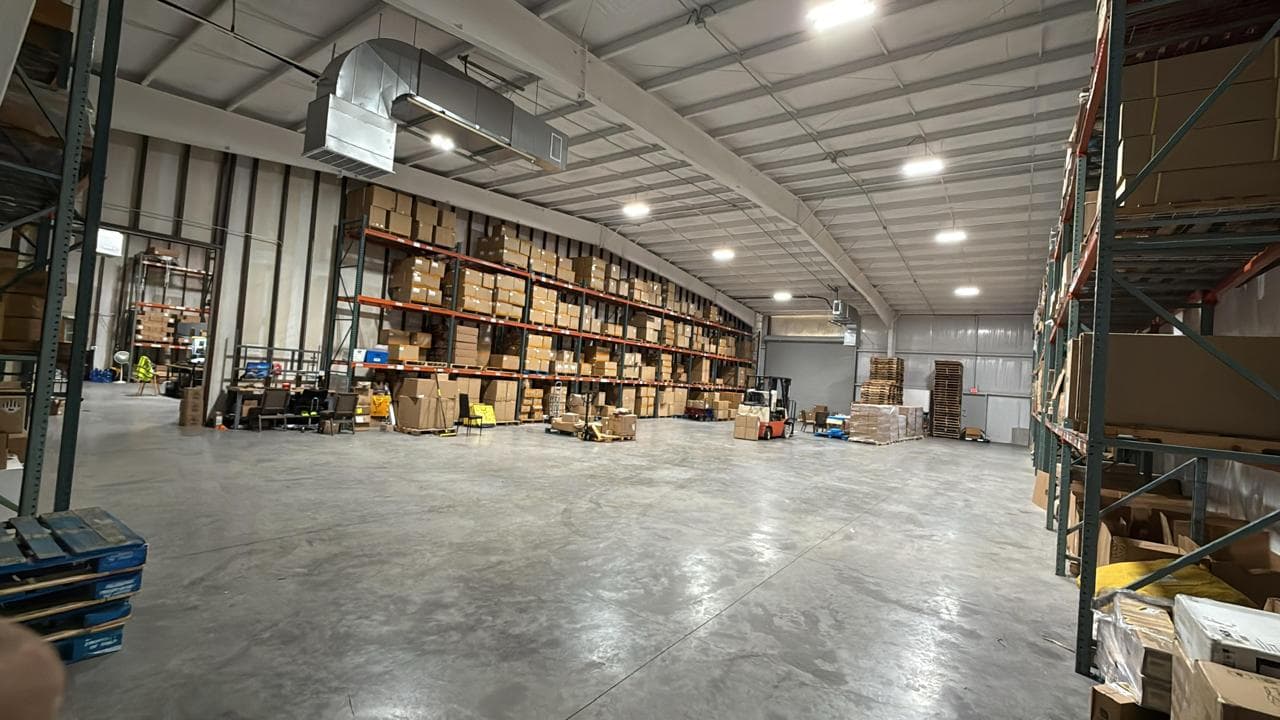
One building, and it is the one your orders ship from.
We publish the city and the region rather than the street address, which is a deliberate choice. We will confirm the location with you directly, and you are welcome to ask about seeing it before you commit anything.
Questions, answered
An Austin 3PL is a third-party logistics provider that stores a brand's inventory in a warehouse in or near Austin, Texas, and picks, packs and ships its orders from there. The brand keeps ownership of the goods. The provider supplies the building, the labor, the software and the carrier accounts.
Talk to the People Who Run the Building
Send us your order volume, your SKU count and roughly how much space your stock needs. You will get a quote built against those numbers, from the warehouse in Austin that would be shipping your orders.
One warehouse, in Austin, Texas. No partner sites, no transfers.