
What Amazon FBA Prep Is, and What Amazon Requires
Amazon FBA prep is the labeling and packaging work every unit has to pass before a fulfillment center will accept it: FNSKU barcodes, polybags and suffocation warnings, set marking, expiration dates, protection for fragile stock, and box content information on each carton. RitePrep runs a prep warehouse in Austin, Texas. Send your inventory here and we prep it, pack it to your shipment plan, and ship it in.
What Is Amazon FBA Prep?
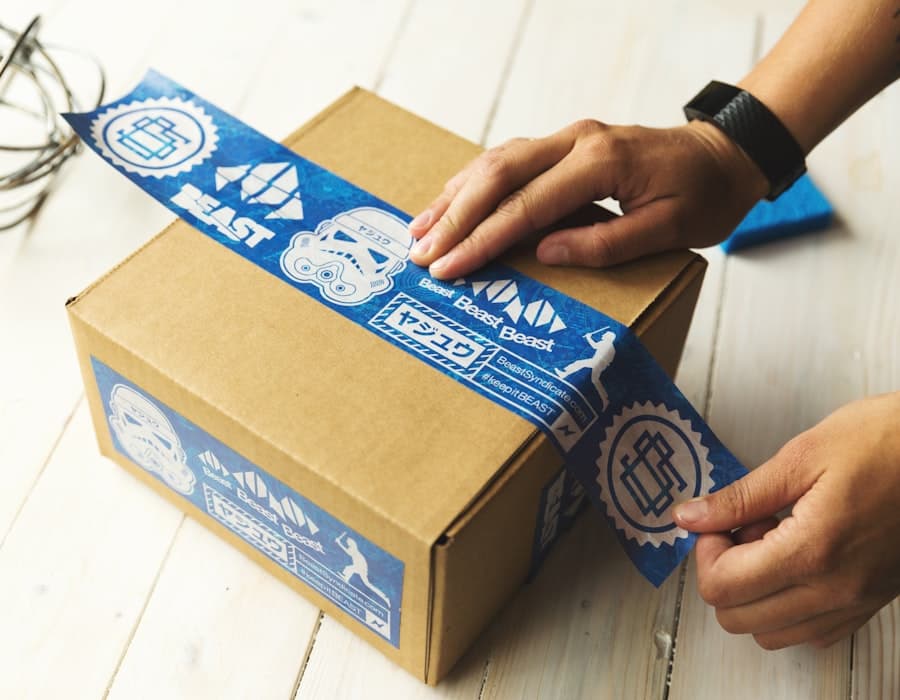
Amazon FBA prep is the labeling and packaging work a product must pass before Amazon will accept it into a fulfillment center. It covers the FNSKU barcode on each unit, polybagging and suffocation warnings, bundle and set marking, expiration date labels, protective packing, and accurate box content information on every carton.
Prep is not one rule. Amazon sets requirements by product type, so a t-shirt, a glass bottle of oil, and a three-piece bundle each leave the warehouse looking different. Prep failures rarely stop a shipment outright. More often Amazon fixes the unit itself, bills the work back to you as a per-unit fee, and the shipment sits at receiving while it happens.
FNSKU or Manufacturer Barcode, and What Changed in 2026
Every FBA unit needs one scannable barcode that tells Amazon which listing it belongs to. That is either your product's manufacturer barcode, the UPC or EAN printed by the maker, or an FNSKU, which is a barcode Amazon generates for your specific seller account and SKU. When a unit carries an FNSKU, the manufacturer barcode underneath has to be covered so only one code scans.
For years, sellers using manufacturer barcodes had their stock pooled with other sellers' identical units under stickerless commingled inventory, and a customer buying from you could receive someone else's unit. Amazon ended stickerless commingling on 31 March 2026. Resellers now have to apply an FNSKU to every unit they send in. Brand owners enrolled in Brand Registry can generally keep shipping on the manufacturer barcode, with Amazon tracking their units virtually instead.
This is worth checking against your own account before your next shipment, because it decides whether every unit needs a label applied or none of them do. It is also the single most expensive thing to get wrong at volume, since the fix is one sticker per unit and Amazon will happily apply it for you and bill you for the work.
What an Amazon Prep Center Does
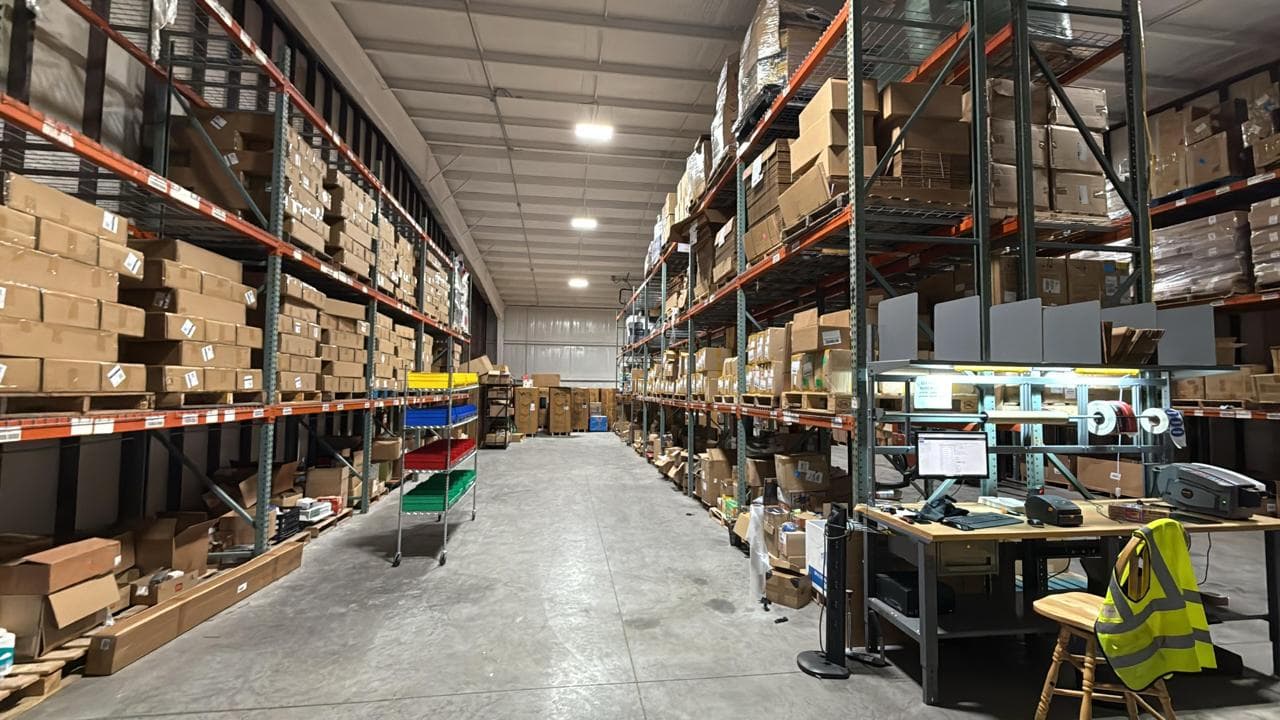
An Amazon prep center is a third-party warehouse that receives your inventory, preps each unit to Amazon's requirements, packs cartons to your shipment plan, and ships inbound to the fulfillment centers Amazon assigns. It sits between your supplier and Amazon, which is why importers often have freight delivered straight to a prep center rather than to their own address.
The work itself is unglamorous and detail-heavy: applying labels so they scan, bagging to the right thickness, covering old barcodes, keeping one expiration date per carton, and recording box contents accurately so Amazon does not have to open and count. Most of what a prep center is actually paid for is catching the SKU that does not fit the usual rule before it becomes a chargeback.
Looking for an FBA Prep Center Near You
Sellers usually search for a prep center nearby to keep the first leg of freight short and cheap. That matters most if you ship domestically. If your goods arrive from overseas, proximity to your own home address matters far less than the prep center's distance from a port or an airport and its position relative to the fulfillment centers Amazon tends to assign you.
RitePrep preps in Austin, Texas. Central Texas is a practical place to prep from: it is inland, well connected by road in every direction, and reachable by LTL from the Gulf ports. You do not need to be in Austin to use it. Most of the sellers we prep for are not.
Amazon FBA Prep Requirements by Product Type
Amazon's inbound rules are written per product type, not per seller. This is the shape of the requirement for the categories that cause the most rejected and reworked units, and what it costs when the prep is wrong.
| Product type | What Amazon requires | What it costs you if it is missed |
|---|---|---|
| Apparel and soft goods | A sealed transparent polybag, 1.5 mil or thicker, with the barcode readable through it. | Amazon bags it during receiving and bills an unplanned prep fee per unit. |
| Polybags with a 5 inch opening or larger, measured flat | A suffocation warning printed on the bag or on a label, sized to the bag. | Units are pulled and re-bagged, which holds the shipment and adds prep fees. |
| Liquids and powders | A leak-proof seal on the container, then bagged so any leak stays contained. | Leaked units go unfulfillable and can damage the inventory stored beside them. |
| Fragile and glass | Cushioning that lets the packed unit survive a three-foot drop onto a hard floor. | Breakage in the bin is treated as a packaging fault rather than Amazon's. |
| Sets and multipacks | One barcode on the outer pack, inner barcodes covered, marked sold as set. | Receiving splits the pack into loose units and the set stops being sellable. |
| Expiration-dated consumables | MM-DD-YYYY or MM-YYYY on every unit and in large print on the master carton. | Amazon refuses units with 90 days or less of shelf life left at receipt. |
| Small loose items | Bagged or boxed so the unit stays whole and shows a single scannable barcode. | Amazon preps it for you at a per-unit fee, or the unit is never received. |
Amazon publishes these requirements in Seller Central and revises them. Treat the table as the shape of each rule rather than the final word, and check your own category's current spec before a shipment leaves. We check it per SKU on everything we prep.
Why FBA Shipments Get Reworked, Billed Back, or Refused
Almost none of these are dramatic. They are small, repeatable misses that Amazon catches at receiving and charges you to fix.
An FNSKU that is missing, unscannable, or sitting next to an uncovered manufacturer barcode
Polybags below the required thickness, or without the suffocation warning the bag size calls for
Expiration dates in the wrong format, missing from the carton, or mixed within one box
Box content information that does not match what is actually inside the carton
Bundles with loose inner barcodes, which receiving reads as separate units
Fragile stock packed to survive your shelf rather than a conveyor and a drop
Each one turns into a per-unit fee, a delay at receiving, and a listing that sits out of stock longer than it needed to.
What's Included in Our FBA Prep
We prep every unit to Amazon's current requirements so your inventory clears receiving without surprises.
FNSKU Labeling and Barcode Coverage
We generate or receive your FNSKU labels, apply them, and cover the manufacturer barcode underneath so only one code scans. Since Amazon ended stickerless commingling, this is the step that decides whether reseller inventory goes live or gets flagged. If you are unclear on which code is which, SKU vs UPC explains what each identifier does.
Polybagging to Spec
Transparent bags of the right thickness, sealed, with the suffocation warning applied once the bag opening reaches the size that requires one. Barcodes stay readable through the bag so nothing needs re-labeling at the fulfillment center.
Bundling, Kitting, and Set Marking
Multipacks assembled as one sellable unit: inner barcodes covered, a single outer barcode applied, and the pack marked so receiving does not separate it. This is the same line that runs our kitting and assembly work.
Expiration and Lot Handling
Dates printed in Amazon's accepted format on the unit and on the master carton, one expiration date per carton per ASIN, and first-expired-first-out picking so the shortest-dated stock ships in first.
Fragile and Protective Packing
Cushioning chosen so the packed unit survives handling inside the fulfillment network rather than just the trip to it. Glass, ceramics, and liquids get bagged as well as cushioned so a break does not spread.
Dangerous Goods and Hazmat Prep
Aerosols, batteries, and some supplements and cosmetics fall under Amazon's dangerous goods rules and need extra labeling and paperwork before they ship in. We flag hazmat SKUs at receiving and prep them to spec so they do not get held.
Box Content Information and Carton Labeling
Every carton is recorded with what is actually inside it, in the format your shipment plan expects, and labeled accordingly. Incomplete box content data is one of the easiest per-unit fees to avoid and one of the most commonly paid.
Shipment Plans and Inbound Forwarding
We pack to your plan and ship inbound to the fulfillment centers Amazon assigns, small parcel or LTL. Where your plan offers a choice between one destination and the splits Amazon proposes, we tell you what each option does to your inbound cost before we book it.
How Our FBA Prep Process Works
Receive & Inspect
Your inventory arrives at our Austin warehouse and is counted in against what you told us was coming. Discrepancies get raised before anything is prepped.
Confirm the Prep Rule per SKU
We check each SKU against Amazon's current requirement for its type: barcode treatment, bagging, set marking, dates, protection. Anything ambiguous gets confirmed with you, not guessed.
Prep & Label
FNSKU labels applied and old barcodes covered, units bagged, bundles sealed and marked, dates printed where they are required.
Quality Check
Labels are test-scanned and units are checked against the rule before packing, which is where most rework gets caught rather than billed.
Pack and Record Box Contents
We case-pack to your shipment plan with accurate carton counts, and record box content information so cartons do not need opening at receiving.
Ship to Amazon
We ship inbound to the fulfillment centers Amazon assigns and send you tracking, then flag low stock so you can plan the next replenishment.
Who Our FBA Prep Service Fits
Why Brands Choose RitePrep for FBA Prep
CPG and Expiration Expertise
We handle dated and lot-tracked products correctly, including one date per carton and first-expired-first-out picking. This is a common point where generic prep centers make mistakes.
Built for Imported Inventory
Container and LTL deliveries received, unloaded, and prepped straight into Amazon shipments. Our guide on shipping from China to Amazon FBA covers how that route works end to end.
A Real Austin Warehouse
Your inventory sits in our own facility, not a third-party network you never see. You can send stock here today.
Dedicated Account Contact
A real person who knows your account and your SKUs. Not a support ticket queue.
Running Since 2020
RitePrep has run its own Austin facility since 2020, prepping FBA inventory alongside DTC and Shopify fulfillment for CPG and ecommerce brands.
The Fees Prep Mistakes Actually Trigger
Amazon rarely refuses a shipment outright. It fixes the problem and bills you, which is why bad prep shows up as margin loss rather than as an error message. These are the charges to watch, and Amazon publishes the current rate for each in Seller Central.
Every one of these is avoidable at the prep bench for less than it costs at the fulfillment center.
Prep Backed by a Real Warehouse Team
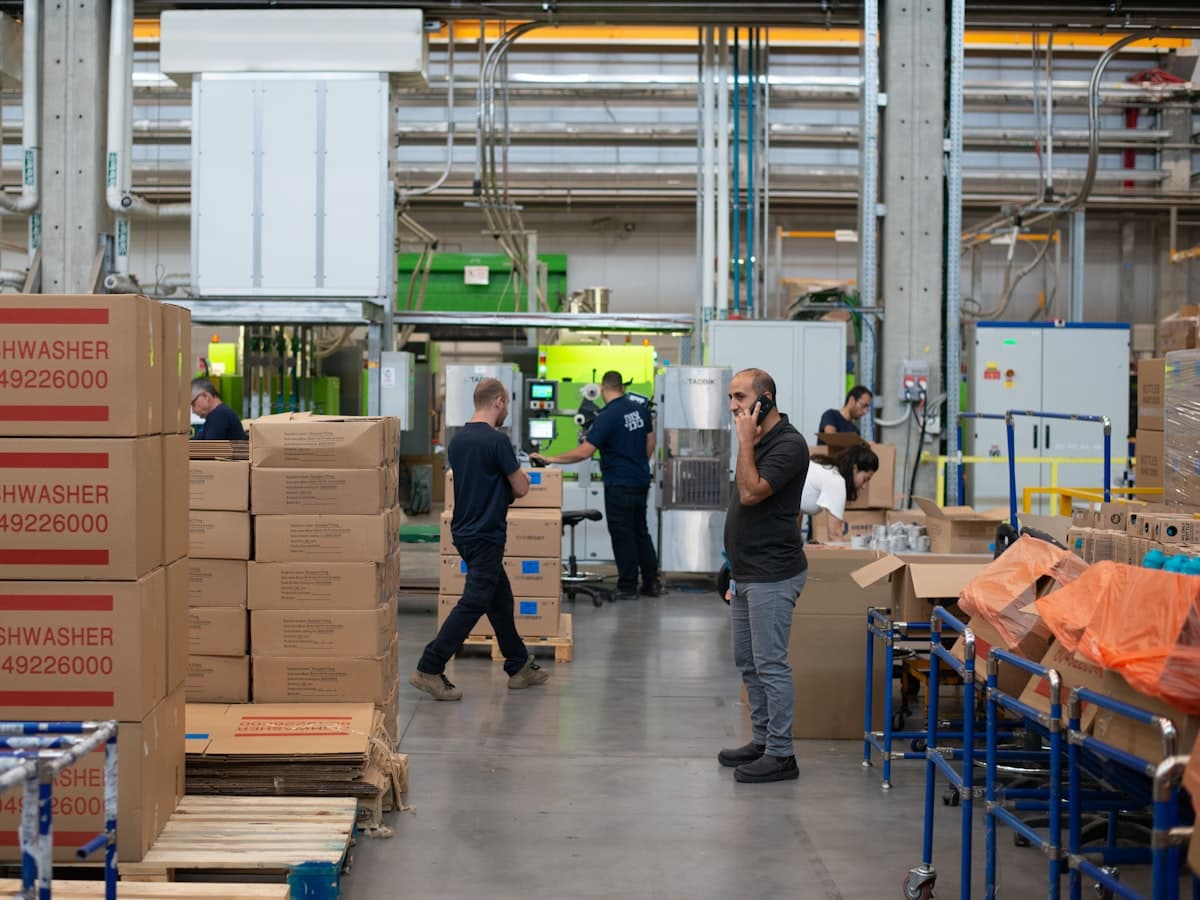
RitePrep runs its own fulfillment facility in Austin, Texas. The same team that handles your FBA prep also fulfills your DTC and Shopify orders. Nothing gets handed off between separate vendors or facilities.
Questions, answered
Amazon FBA prep is the labeling and packaging work a product must pass before Amazon will accept it into a fulfillment center. It covers the FNSKU barcode on each unit, polybagging and suffocation warnings, bundle and set marking, expiration date labels, protective packing, and accurate box content information on every carton.
Stop Paying Amazon to Fix Your Prep
Send your inventory to our Austin warehouse. We prep it to Amazon's current requirements, record box contents properly, and ship it in, so your listings stay in stock and the per-unit fees stop.