
Kitting Services: What Kitting Is and How It Works
This page explains what kitting is, how a kitting service works inside a warehouse, and how kitting differs from assembly, bundling, and co-packing. It also covers how RitePrep runs kitting for CPG and DTC brands out of a single Austin, Texas warehouse.
If you're reading this, you're probably already past the point where kitting by hand makes sense. Maybe you're prepping bundles on a folding table between shipments. Maybe your current 3PL treats kitting as a favor instead of a service, with vague pricing and no real process behind it. Either way, the bundles keep selling, and the manual work keeps piling up.
What Is Kitting?
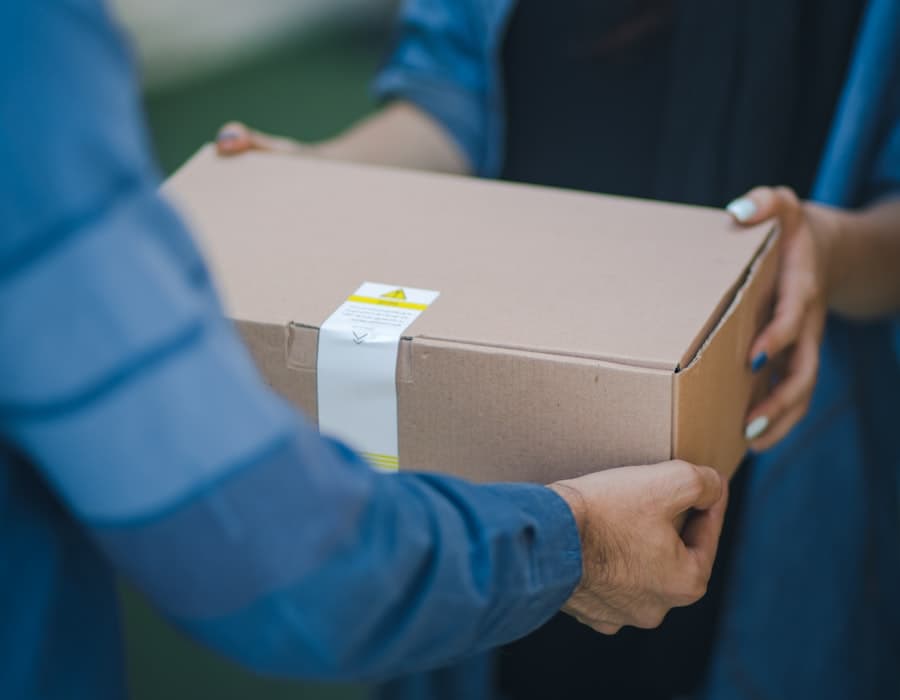
Kitting is the process of combining several separate products into one finished, sellable unit before an order ships. A kitting service is the warehouse operation that does it for you: receiving the components, assembling each kit to a documented spec, and storing the finished kit as its own SKU.
In practice, kitting covers any task where components become one finished unit ahead of the order. That includes assembling gift sets from separate SKUs, building subscription boxes with rotating contents, bundling multi-packs, and prepping retail-ready point-of-purchase kits for in-store placement.
It does not include simple pick and pack, where a single item goes straight from shelf to box. And it's different from Amazon FBA Prep, which is specifically about meeting Amazon's labeling and packaging rules for individual units headed into their fulfillment network. Kitting is about combining, prep is about compliance, and pick and pack is about speed on single items. Your bundles usually need all three at different points, but they're not the same job.
Kitting also gets confused with co-packing, and the difference matters for your sourcing decisions. Co-packing is a manufacturing step where a contract packager fills, labels, or assembles a product as part of production before it's even a finished good. Kitting happens after your products already exist and are already in inventory. If a supplier is filling jars or sealing pouches, that's co-packing. If you're combining three already-finished products into one gift set, that's kitting, and it belongs with your 3PL fulfillment operation rather than with a manufacturer.
Kitting vs Bundling vs Co-Packing
These three terms get used as if they mean the same thing, and they don't. The difference decides who does the work, whether you end up with a new SKU, and whether it belongs at your manufacturer or at your 3PL.
| Kitting | Bundling | Co-packing | |
|---|---|---|---|
| What happens to the items | Finished products are grouped and packed into one unit | Items are sold together, physically or only on the listing | Product is filled, sealed, or labeled as it is made |
| Creates a new SKU? | Yes, the kit is stocked and picked as its own SKU | Sometimes. A virtual bundle keeps the component SKUs | Yes, the packaged item is the finished good |
| When it happens | Ahead of the order, so kits sit ready to ship | At the order, if components are picked separately | During production, before goods reach a 3PL |
| Where assembly fits | Assembly is the hands-on step that builds each kit | None, unless the bundle is built as a kit first | Assembly happens on the production line, not at a 3PL |
| Typical use case | Gift sets, subscription boxes, multipacks, retail kits | Promotions like buy two, save on the third | Filling jars, sealing pouches, shrink-wrapping |
| Who normally does it | Your 3PL or fulfillment warehouse | Your storefront or marketplace, then the 3PL that ships it | A contract packager at or near the manufacturer |
| Does RitePrep do it? | Yes, including the assembly work on each kit | Yes, once the bundle is defined as a kit SKU | No. Co-packing belongs at the production stage |
The short version: co-packing happens while the product is being made, kitting happens after it exists and before it ships, and bundling is a selling decision that may or may not require either one.
The Problem With DIY Kitting at Scale
In-house kitting works fine at low volume. A founder and a couple of part-time hires can assemble fifty gift sets on a Saturday. It stops working the moment order volume, SKU count, or seasonal spikes go up.
The failure points are predictable. Component inventory gets out of sync with finished-kit inventory, so you oversell a bundle you can't actually build. Assembly quality drifts because there's no documented spec, so kit five looks different from kit fifty. And when a big order or holiday spike hits, there's no bench of trained labor to absorb it, so orders slip.
Types of Kits We Assemble
Not every kit serves the same purpose, and the assembly spec changes depending on where the kit is headed.
Gift Sets and Multipacks
Two to six related products bundled into one SKU for direct-to-consumer sale, usually with tissue paper, a printed insert, or a branded outer box. These sell year-round but spike hard around holidays.
Subscription Boxes
Contents rotate on a schedule, often monthly, so the bill of materials changes even though the outer packaging and box SKU stay the same. This is one of the more complex kitting builds because inventory has to track which components belong to which month's box.
Point-of-Purchase and Promotional Kits
Retail-ready display kits, end-cap sets, and promotional bundles built to a retailer's spec, often tied to a seasonal push or a new product launch. These usually ship through Retail Fulfillment once assembled, since they're headed to a store shelf rather than a doorstep.
New Product Launch Kits
A starter bundle combining a new SKU with an established one, used to introduce a product to existing customers or to a new retail account. These often need a fresh UPC or GTIN assigned to the finished kit before it can sell anywhere.
How Our Kitting and Assembly Process Works
Scope and SKU Setup
You send us the kit spec: which components go into each finished unit, the assembly sequence, and any packaging or insert requirements. We build a bill of materials for each kit SKU so component inventory and finished-kit inventory are tracked separately from day one.
Component Receiving and QA
Individual components arrive at our Austin warehouse. Each shipment is checked against your packing list and inspected for damage before it's logged into inventory, so a bad component doesn't make it into a finished kit.
Kitting, Assembly, and Packaging
Trained warehouse staff assemble each kit to your documented spec, whether that's a three-item gift set or a twelve-piece subscription box. Inserts, tissue, and branded packaging go in at this stage if you supply them.
Inventory Sync and Storage
Finished kits are logged as their own SKU and stored ready to ship. Component and finished-kit counts stay visible separately, so you always know how many more kits you can build versus how many are sitting ready to go.
Pick, Pack, and Ship
Orders for kitted products ship exactly like any other SKU, picked, packed, and handed to the carrier with tracking sent automatically. No extra assembly step slows down the order once the kit exists.
Why CPG Brands Choose RitePrep for Kitting
RitePrep has operated out of a single Austin, Texas, warehouse since 2020, working specifically with CPG brands rather than trying to serve every category of seller. That focus means kitting isn't a side offering bolted onto generic pick and pack. It's built around the packaging and compliance realities CPG brands deal with, including lot tracking and expiration monitoring on any consumable component that goes into a kit.
If kitting is just one piece of a wider CPG fulfillment setup you're evaluating, our CPG Fulfillment Services page covers the full picture, including storage, compliance, and shipping alongside assembly.
Pricing for kitting is quoted per kit, based on component count and assembly complexity, not buried inside a vague monthly fee. You'll know the cost per assembled unit before you commit to a volume.
What's Included in Our Kitting Solutions
- Bill-of-materials setup and separate component and finished-kit inventory tracking
- Component receiving, inspection, and damage checks before assembly
- Manual assembly to your documented kit spec, including inserts and branded packaging
- Subscription box and rotating-content kit support
- Storage of finished kits ready to ship
- Integration with your Shopify order flow or marketplace so kitted SKUs sell like any other product, whether they're shipping direct to consumer or into a retail account
Frequently Asked Questions
A kitting service is a fulfillment offering where a warehouse or 3PL assembles multiple individual products into one sellable unit on your behalf, such as a gift set, subscription box, or multi-pack bundle. The provider handles component receiving, assembly to your spec, and storage of the finished kit as its own SKU, so it ships like any other single product.
Get Your Kitting Services Quote
Send us your kit spec and current order volume, and we'll put together a per-unit kitting quote within a set number of business days.