
Shipping and Logistics for Ecommerce, Explained
Logistics is the whole system that gets goods from a supplier to a customer. Shipping is the part where a carrier physically moves them. This page covers how the two differ, how parcel, LTL and full truckload compare, and what decides the cost. RitePrep ships from one warehouse in Austin, Texas.
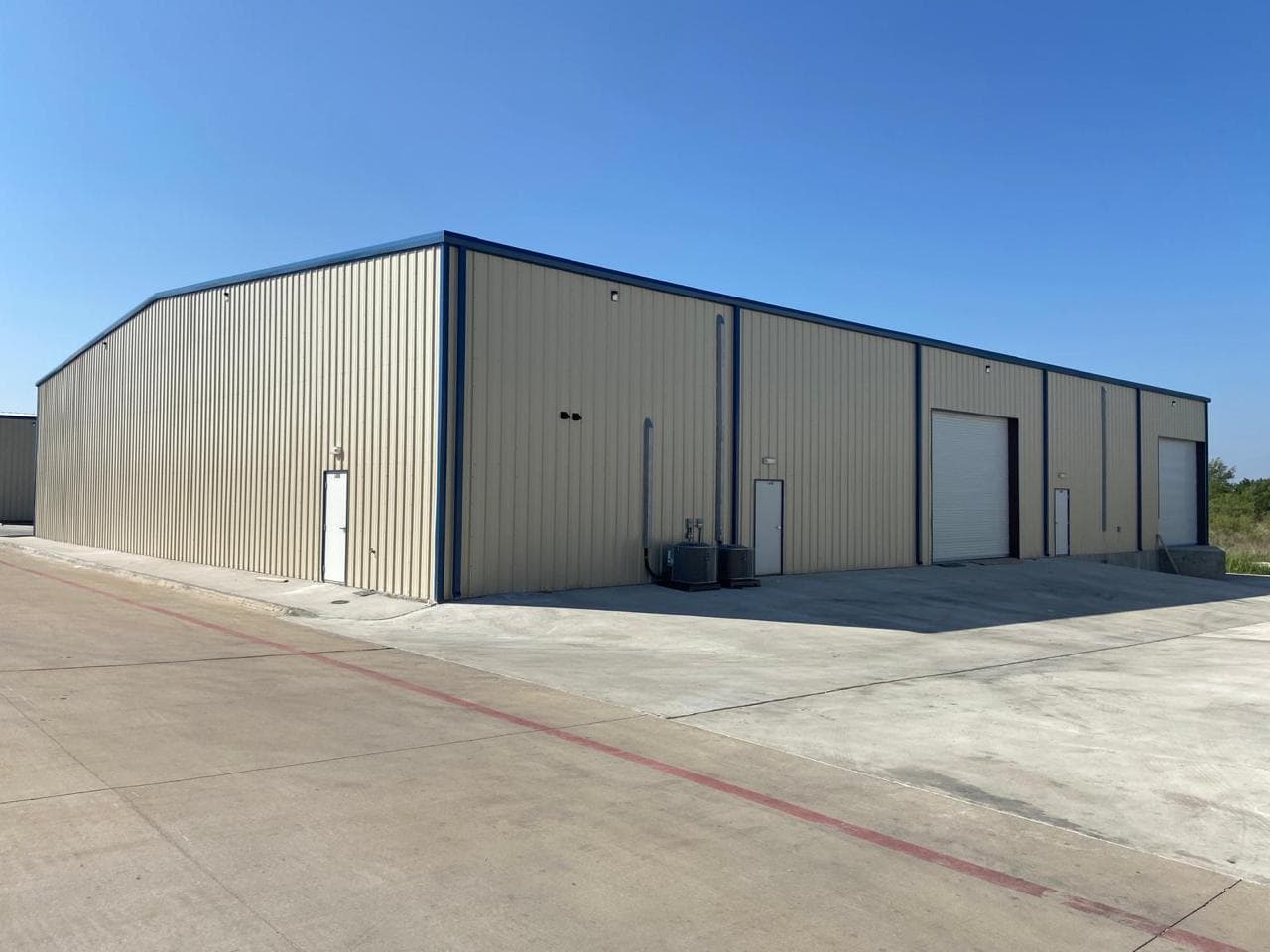
What Is Shipping and Logistics?
Shipping and logistics is the planning and movement of goods from where they are made or stored to where they are needed. Logistics is the whole system: inbound freight, warehousing, inventory, order handling and delivery. Shipping is the part that physically moves a package or pallet between two points using a carrier.
For an ecommerce brand it is both a major cost and a promise made at checkout. Strong logistics means stock sitting in the right place, orders leaving the warehouse on time, and each shipment going by the mode and carrier that suits its size, weight and destination.
Shipping vs Logistics: What Is the Difference?
The two words get used as one phrase, but they describe different scopes. Logistics is the planning layer: where inventory is held, how much of it, how it gets replenished, and how orders flow through the warehouse. Shipping is a single leg inside that plan, the move from one address to another by parcel carrier or freight truck.
A useful test is to ask what the decision is about. Choosing a carrier, a service level or a box size is a shipping decision. Choosing where the warehouse is, how many units to send in, or whether a wholesale order leaves as parcels or pallets is a logistics decision, and it usually sets the shipping cost before a label is ever printed.
The Three Ways Goods Move by Road
Almost everything an ecommerce brand ships goes one of three ways. Parcel carries individual boxes through a carrier's hub network and is how customer orders travel. LTL, or less-than-truckload, moves pallets that share a trailer with other shippers' freight. Full truckload books a whole trailer for one shipper and drives it from pickup to delivery.
Most brands use all three at different points: full truckload or LTL for inventory coming in from a manufacturer, LTL for wholesale and retail purchase orders going out, and parcel for every direct-to-consumer order. The table below shows how they differ.
Why the Origin Warehouse Sets the Parcel Cost
Ground parcel rates are zoned. The carrier compares the origin ZIP with the destination ZIP, turns the distance into a zone number, and prices the parcel on that zone plus its weight and dimensions. The shipper does not pick the zone. The origin does.
That makes the warehouse location a logistics decision with a shipping price attached. On the USPS domestic zone chart effective September 1, 2026, none of 24 major US metros is Zone 8 from Austin, while from Los Angeles or from Newark eight of them are.
Parcel vs LTL vs Full Truckload
These are the three shipping modes an ecommerce brand actually chooses between. The right one depends on how much is moving, how it is packed, and how fast it has to arrive.
| Parcel | LTL (less-than-truckload) | Full truckload | |
|---|---|---|---|
| Typical shipment | Individual boxes within the carrier's weight and size limits. | One or more pallets that do not fill a trailer. | Enough freight to fill, or justify, a whole trailer. |
| How it is priced | Per package, by zone and the greater of actual or dimensional weight. | By weight, freight class and lane, plus accessorial fees. | A flat or per-mile rate for the whole trailer on that lane. |
| Truck space | Mixed with every other parcel in the carrier's network. | Shared with other shippers' freight. | Dedicated to one shipper. |
| Transit behavior | Scanned through carrier hubs, with a set service level per label. | Moves through carrier terminals, often with a delivery appointment. | Loaded once and driven direct, with no terminal stops. |
| What drives the cost | Zone, box size, and surcharges such as residential delivery. | Density, freight class, and extras such as liftgate or appointments. | Distance, lane demand, equipment type and fuel. |
| When to use it | Direct-to-consumer orders and small replenishment shipments. | Wholesale POs, retail replenishment and Amazon FBA inbound. | Large inbound loads from a manufacturer or importer. |
Freight class, accessorials and how LTL moves through terminals are covered in more depth in our LTL shipping guide, linked further down this page.
Where Shipping Eats Your Margin
Shipping is often the biggest variable cost, and the easiest to get wrong.
Retail-rate postage: paying list price on every label quietly erodes profit.
Slow transit: shipping from the wrong location adds days and cost to delivery.
One-carrier lock-in: without options, you overpay for parcels a different carrier ships cheaper.
Wrong mode: sending a wholesale order as dozens of parcels when it should travel as a pallet, or the reverse.
What's Included in Our Shipping and Logistics
We turn shipping from a cost center into an advantage.
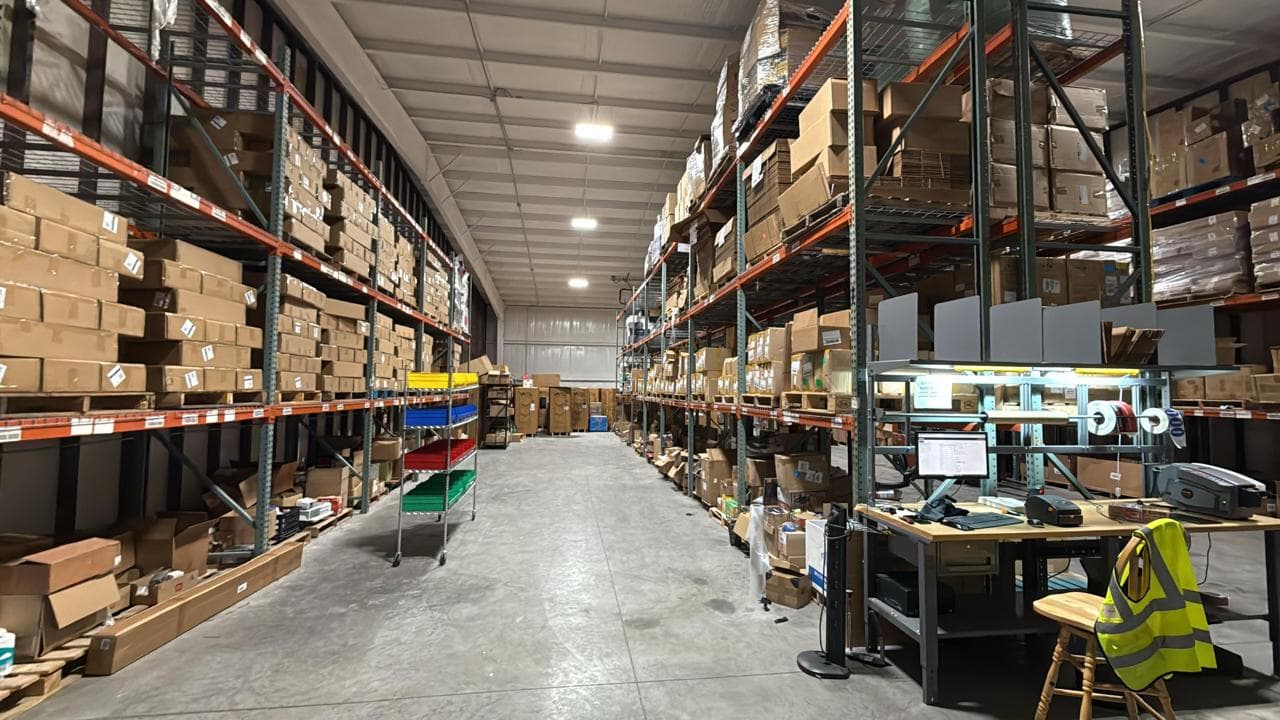
Discounted Carrier Rates
Our volume rates lower your per-parcel cost versus shipping on your own.
Multi-Carrier Dispatch
We pick the best carrier and service for each order's size, weight, and destination.
Central Texas Location
A central hub means shorter, cheaper ground transit to most of the U.S.
Reliable Same or Next-Day Dispatch
Orders leave the warehouse fast so delivery clocks start sooner.
Tracking Sync
Tracking flows back to your store and customers automatically.
Pallets Built to Spec
Wholesale, retail and FBA shipments are palletized and labeled for LTL from the same Austin warehouse.
The origin is half the shipping math. Our Austin 3PL page covers why a central Texas warehouse changes the zone your parcels price on, and what a single origin can and cannot do for you. For the zone-by-zone numbers, see USPS shipping zones from Austin. Pallet freight is explained in our LTL shipping guide, and orders that leave as pallets rather than parcels usually run through B2B or retail fulfillment.
How Our Shipping Process Works
Calculate Price
Request a quote based on your parcels and destinations.
Connect Your Store
Orders sync to our system automatically.
Send Your Inventory
Ship your products to our Austin, TX warehouse.
We Store and Slot
Inventory is received and organized for fast picking.
We Rate-Shop Each Order
The best carrier and service is chosen per parcel.
We Dispatch Fast
Orders ship on time with tracking synced back.
Who Our Shipping and Logistics Is Built For
It fits brands that want faster, cheaper delivery without the overhead.
Questions, answered
Shipping and logistics is the planning and movement of goods from where they are made or stored to where they are needed. Logistics covers the whole system, including inbound freight, warehousing, inventory and order handling. Shipping is the leg where a carrier physically moves a package or pallet from one address to another.
Get Started With Better Shipping Today
Stop overpaying for slow shipping. Let our Austin, TX team dispatch your orders faster and cheaper across the country.