
Omnichannel Fulfillment: What It Is and How It Works
Omnichannel fulfillment means every channel you sell on draws from one inventory pool and one order flow. This page covers what that means in practice, how it differs from multichannel selling, and the models brands use. RitePrep runs it from one warehouse in Austin, Texas, with Amazon FBA prep in the same workflow.
What Is Omnichannel Fulfillment?
Omnichannel fulfillment is running every sales channel from one shared pool of inventory and one order flow. Orders from an online store, marketplaces like Amazon, wholesale accounts and retail partners all draw on the same stock count, so a unit sold anywhere is deducted everywhere and every customer gets the same delivery experience.
The word omni means all. The point is not how many channels a brand sells on but whether those channels are connected. A brand can list on five marketplaces and still run each one as its own island, with its own spreadsheet, its own stock and its own packing routine. That is multichannel selling. It becomes omnichannel fulfillment when the inventory, the orders and the shipping all run through one system.
The practical payoff is fewer surprises. When stock is counted once, a best seller cannot sell out on your store while units sit idle behind a marketplace listing, and adding a new channel means connecting it to the existing flow rather than building a new operation beside it.
Common Omnichannel Fulfillment Models
Retailers with physical stores use several models: shipping from a central warehouse, shipping from a store's own stock, buy online and pick up in store (BOPIS), curbside pickup, and drop shipping straight from a supplier. Large retailers often mix all of them and route each order to whichever location can fill it best.
Ecommerce and CPG brands without their own stores usually run the first model. One warehouse holds the stock, orders from every channel land in one queue, and the warehouse ships direct-to-consumer parcels, marketplace orders and wholesale or retail replenishment from the same shelves. That is the model RitePrep runs. We do not operate retail stores, so store pickup and ship-from-store are not part of our service.
How a 3PL Warehouse Supports Omnichannel Fulfillment
A third-party logistics provider supports omnichannel fulfillment by holding the shared inventory and connecting each sales channel to it. Orders arrive from the connected channels, the warehouse picks and packs each one under that channel's rules, and stock levels flow back so every channel shows the same number.
The part that trips brands up is that channels do not all want the same thing. A Shopify order ships as a single parcel. A retail purchase order may need cartons, labels and routing that follow the retailer's own guide. Amazon-bound inventory needs FBA prep and labeling before it leaves. A warehouse that handles all three from one pool is what makes the setup work, which is why we run parcel, B2B and FBA prep work under one roof.
There is one limit to know about. Inventory already sent into Amazon FBA sits in Amazon's own warehouses and is counted there. A common approach is to keep reserve stock at the 3PL and replenish FBA from it, so the shared pool covers everything except the units already at Amazon.
Multichannel vs Omnichannel Fulfillment
The two terms get used as if they mean the same thing. They do not. Multichannel means selling on several channels. Omnichannel means those channels share one inventory pool and one order flow.
| Multichannel | Omnichannel | |
|---|---|---|
| Inventory pool | Separate stock per channel, or one stock split up and tracked per channel | One pool of stock that every channel draws from |
| Order routing | Each channel's orders run through their own process or tool | Every order lands in one system and is routed to fulfillment from there |
| Stock visibility | Each channel shows its own count, reconciled by hand or on a delay | One count, pushed back to every channel as units sell |
| Returns across channels | Returns go back to the channel they came from and are restocked separately | A return from any channel goes back into the shared pool |
| Typical failure mode | Overselling on one channel while another channel holds unsold stock | One bad sync or mapping error affects every channel at once |
| Customer experience | Packaging and shipping speed can differ by channel | Same packing standard and handling whichever channel the order came from |
| Who it suits | Brands testing a second channel, or with low volume on each one | Brands selling the same SKUs on two or more channels with steady volume |
Inventory sent into Amazon FBA is held and counted in Amazon's own network, so even a true omnichannel setup usually treats FBA as a pool that is replenished from the shared stock rather than drawn from live.
Selling Everywhere Is Good for Revenue. It's Bad for Operations.
Growing CPG and DTC brands rarely sell on just one channel anymore: a Shopify store, an Amazon listing that needs FBA prep, maybe a Walmart Marketplace account, and a handful of retail accounts. That's great for revenue. It's a logistics headache without the right system.
Inventory is split across channels, so you oversell on one and sit on dead stock in another
Each marketplace has its own rules, packaging, and SLAs, including strict FBA prep standards, tracked manually
Orders ship late because nobody has one clear view of what's in stock
Customer experience is inconsistent: fast shipping on Amazon, slow on your own site
Scaling to a new channel means starting a new fulfillment process from scratch
CPG brands especially struggle to find one partner who understands both retail-ready packaging and FBA compliance at once
If any of this sounds familiar, the problem isn't your products or your marketing. It's that your fulfillment isn't built for more than one channel.
Built for Brands That Sell on More Than One Channel
RitePrep runs your entire order fulfillment process, including Shopify, Amazon, retail, and other marketplaces, from one connected system in our Austin, Texas warehouse.
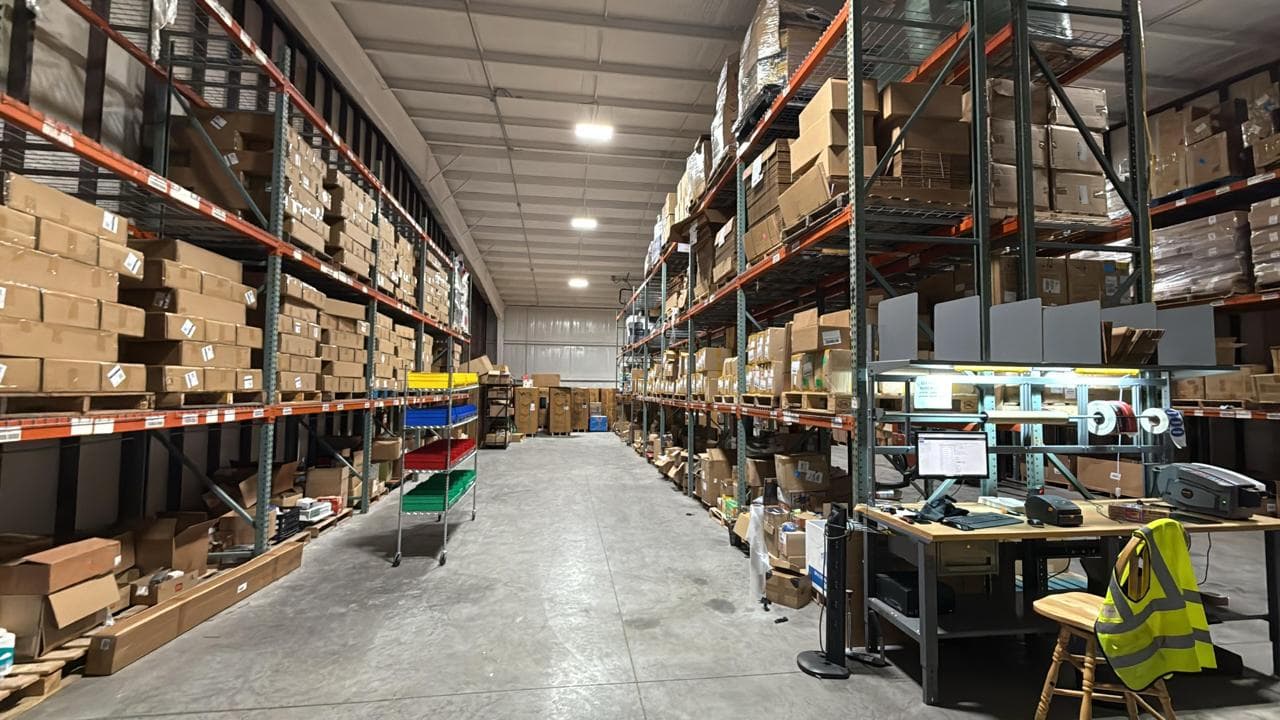
A Real Warehouse, Not Just Software
Our facility in Austin, TX gives you actual fulfillment capacity, not just a dashboard.
True Channel Integration
Direct connections to Shopify and Amazon Seller Central, so orders flow in without manual entry.
CPG-Specific Handling
Expiration date control and strict inventory controls for consumer packaged goods, across every channel.
FBA Prep Built In
The same team that handles your Shopify and retail orders preps and labels inventory for Amazon.
Central Texas Location
Fast, predictable ground shipping to most of the country regardless of channel.
One Team, One Contact
No juggling separate vendors for your Shopify fulfillment and your Amazon prep.
Scales With You
Add a new marketplace or retail account without renegotiating your entire fulfillment setup.
Transparent Reporting
One dashboard view of inventory and order status, across every channel, at any time.
Each channel has its own guide. See how we handle Shopify fulfillment, Amazon FBA prep, retail fulfillment and B2B orders, all from the same stock. For the inventory side, read our guide to ecommerce inventory management, and for dated products see CPG fulfillment.
Our Omnichannel Fulfillment Process
Channel Audit & Setup
We map every channel you sell on and connect each one to a single inventory system.
Inventory Consolidation
Your stock moves into our Austin warehouse under one unified count, replacing scattered per-channel inventory.
Order Routing Configuration
We configure routing so every order follows the correct pick-pack-ship workflow, including FBA prep for Amazon-bound inventory.
Go Live With Real-Time Sync
Orders flow in from every channel. Inventory updates in real time, so stock stays accurate everywhere at once.
Monitor, Report, Optimize
We track fulfillment performance by channel and refine routing and stock allocation as your sales mix shifts.
Our Omnichannel Fulfillment Services Work Best For
One Fulfillment Partner. Every Channel, In Sync.
RitePrep runs your entire order fulfillment process from one connected system in our Austin, Texas warehouse. Here's what that looks like in practice:
Why You Can Trust RitePrep With Your Fulfillment
Real Experience. In-House Expertise. Full Transparency.
Questions, answered
Omnichannel fulfillment is running every sales channel, such as an online store, Amazon and other marketplaces, wholesale and retail accounts, from one shared inventory pool and one order flow. A unit sold on any channel is deducted from the same count, and every order is picked, packed and shipped through the same process.
Stop Managing Channels Separately. Start Managing Them as One.
Get a free fulfillment audit and see exactly how RitePrep can unify your inventory, including Amazon FBA prep, across every channel you sell on.