
Purchase Order Management, From Reorder Trigger to Paid Invoice
A purchase order is the point where a plan turns into money spent. This page walks through the PO lifecycle from the buyer's side, where it tends to break, and how the three-way match keeps you from paying for stock that never arrived. RitePrep runs this work for brands alongside the receiving dock at our warehouse in Austin, Texas.
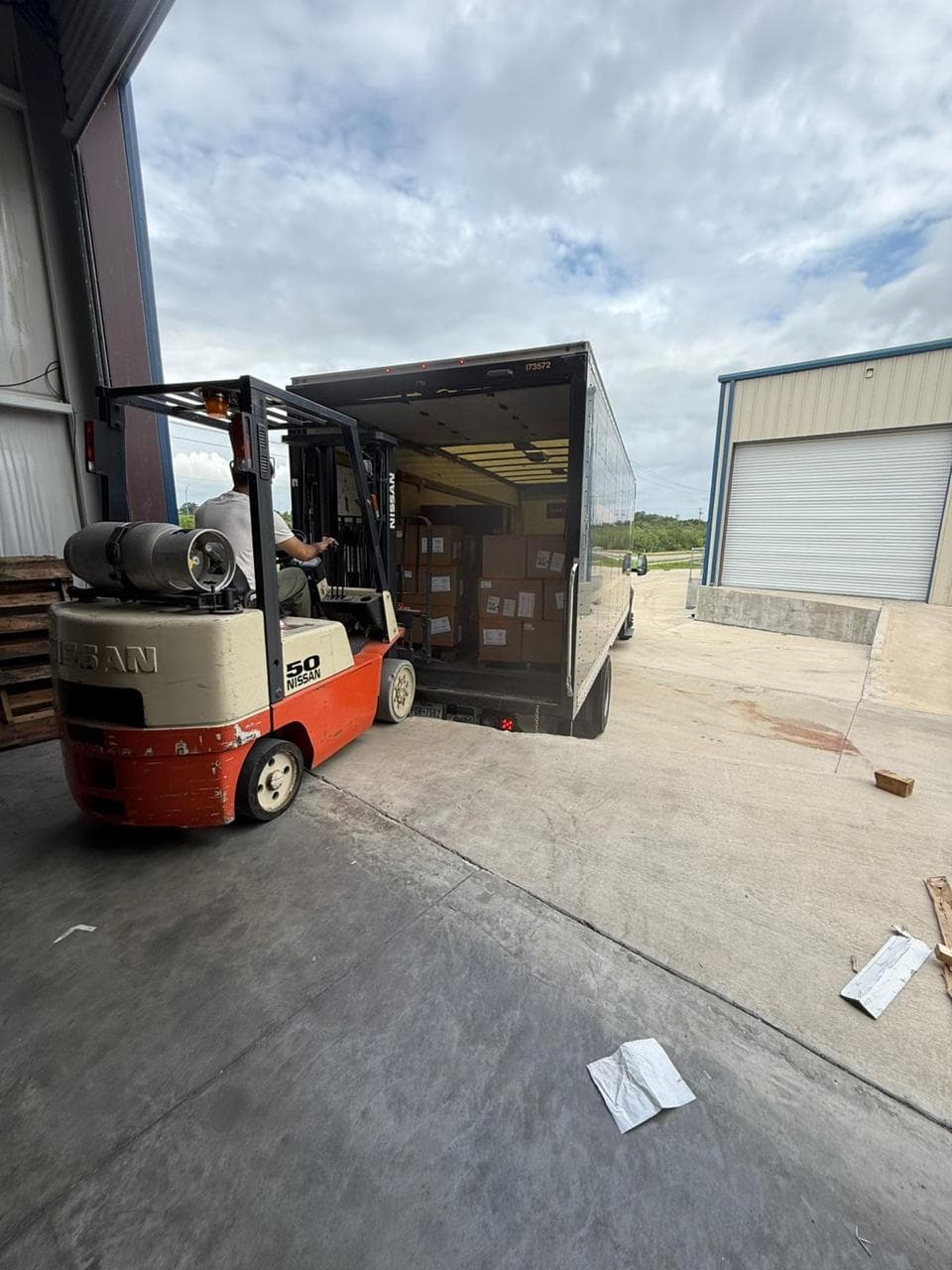
What Is Purchase Order Management?
Purchase order management is the process of creating, sending, confirming and tracking the orders a business places with its suppliers, from the moment stock needs replenishing until the goods are received, counted and the invoice is paid. It keeps every open order visible, so quantities, prices and arrival dates stay accurate.
It is a planning service, not a warehouse service. Warehouse work handles stock that already exists: receiving it, storing it, picking it and shipping it. Purchase order work happens before that stock exists, while it is still a promise from a supplier. Many stockouts that look like warehouse problems actually start here, with an order that was raised late, never confirmed, or quietly pushed back.
It also sits in a specific place in the planning chain. Demand planning forecasts what will sell. Inventory planning turns that forecast into reorder points, safety stock and buy quantities. Purchase order management takes the approved buy and executes it with the supplier, then chases it until it lands on a shelf and the paperwork agrees.
What Is a Purchase Order?
A purchase order, or PO, is the document a buyer sends a supplier to order goods. It carries a unique PO number, the items and quantities, the agreed unit price, payment terms, the delivery address and the date the buyer needs the goods. Once the supplier accepts it, the PO is the agreed record of the deal that every later document is checked against.
A PO is not an invoice. The PO comes from the buyer before anything ships and says what was ordered. The invoice comes from the supplier after shipping and says what is owed. It is also not a requisition, which is an internal request to buy that someone approves before a PO is raised.
How the Three-Way Match Works
A three-way match compares three documents before a supplier invoice is approved for payment: the purchase order (what you agreed to buy, and at what price), the receiving record (what physically arrived and was counted), and the supplier invoice (what you are being billed for). The item, the quantity and the unit price must agree across all three, within whatever tolerance your business sets.
When they do not agree, the invoice is held until the difference is explained. If the PO said 1,000 units, the warehouse counted 940 and the invoice bills for 1,000, the 60-unit gap is a short shipment, and paying the invoice as billed means paying for stock you do not have. A two-way match checks only the PO against the invoice, so it cannot catch that. A four-way match adds an inspection or quality record on top of the three.
How Lead Time Feeds Back Into Planning
Lead time is the gap between issuing a PO and having the stock available to sell: production, freight and receiving together. The reorder point depends on it directly, because the stock you hold when you reorder has to cover sales for the whole lead time, plus safety stock.
Quoted lead times are often optimistic. Recording three dates on every PO (issued, confirmed ship date, actually received) shows the real figure for each supplier. If a plan assumes 30 days and a supplier actually takes 42, every reorder point for that supplier is 12 days of sales short. Safety stock absorbs some of that, and whatever it cannot absorb shows up as a stockout that looks like bad luck rather than a planning error. Feeding measured lead times back to inventory planning is what closes that gap.
The Purchase Order Lifecycle, Stage by Stage
Every PO passes through the same stages from the buyer's side. Each one has a person who has to act, a thing worth checking, and a typical way it fails. The expensive failures are usually the ones nobody notices until the stock is late.
| Stage | What happens | Who acts | What to check | What goes wrong |
|---|---|---|---|---|
| Reorder trigger | Stock plus open orders falls to the reorder point, or a planned buy comes due. | Buyer or planner | Open POs are counted, so the same need is not ordered twice. | A trigger nobody acts on becomes a stockout one lead time later. |
| PO issued | A numbered PO goes out with SKUs, quantities, unit prices, terms and ship-to. | Buyer | Supplier item codes, case packs, prices and delivery address are current. | An old price or wrong case pack flows through to the invoice. |
| Supplier acknowledgement | The supplier accepts each line and commits to a ship date. | Supplier | Every line is accepted as written, or the changes are agreed in writing. | An unconfirmed PO is often not scheduled at all. |
| Production and booking | Goods are made or pulled from stock, and freight is booked. | Supplier, with the forwarder or carrier | The ship date is reconfirmed before it arrives, not after it passes. | Dates slip quietly and the first sign is a shipment that never shows. |
| Advance ship notice | The supplier says what is shipping: items, quantities, cartons, tracking. | Supplier | Shipped quantities against the PO, before the freight arrives. | A partial or split shipment is found at the dock, not in advance. |
| Receipt and count | The warehouse counts cartons and units and records any damage. | Receiving warehouse | The count against the PO and the ship notice, line by line. | An unrecorded shortage gets paid for as if it arrived. |
| Three-way match | PO, receiving record and supplier invoice are compared line by line. | Buyer or accounts payable | Item, quantity and unit price agree within your tolerance. | Paying as billed absorbs short shipments and price creep. |
| Payment and close | The invoice is paid on agreed terms and the PO is closed or kept open. | Accounts payable | Backordered lines stay open, and actual lead time is logged. | A PO closed early hides a backorder the supplier still owes. |
When the buyer is a retailer, these stages travel as standard EDI documents: the 850 purchase order, 855 acknowledgement, 856 advance ship notice and 810 invoice. Smaller suppliers more often confirm by email or portal, which is exactly why the confirmation step needs chasing.
Where Purchase Orders Go Wrong
Few brands lose stock because they forgot to order. They lose it in the weeks between sending a PO and the goods arriving, when nobody owns the follow-up.
Unconfirmed POs: the order went out, the supplier never replied, and everyone assumed it was in production.
Slipping ship dates: the confirmed date moves by a week, then another, and nobody downstream hears about it until the shelf is empty.
Partial shipments: part of the order ships now and the rest later, but the PO gets closed as if it all arrived.
Quantity mismatches: the invoice bills for what was ordered rather than what was counted at the dock.
Price mismatches: an old price list, a missed discount or an unagreed increase only shows up on the invoice.
POs living in inboxes: the only record of what is on order is scattered across email threads and one person's spreadsheet.
Each of these is small on its own. Together they are why the reorder you placed on time still arrives too late.
What Our Purchase Order Management Covers
We run the follow-through on your supplier orders so each PO is confirmed, tracked and reconciled. You keep approval of what gets bought and control of supplier payments.
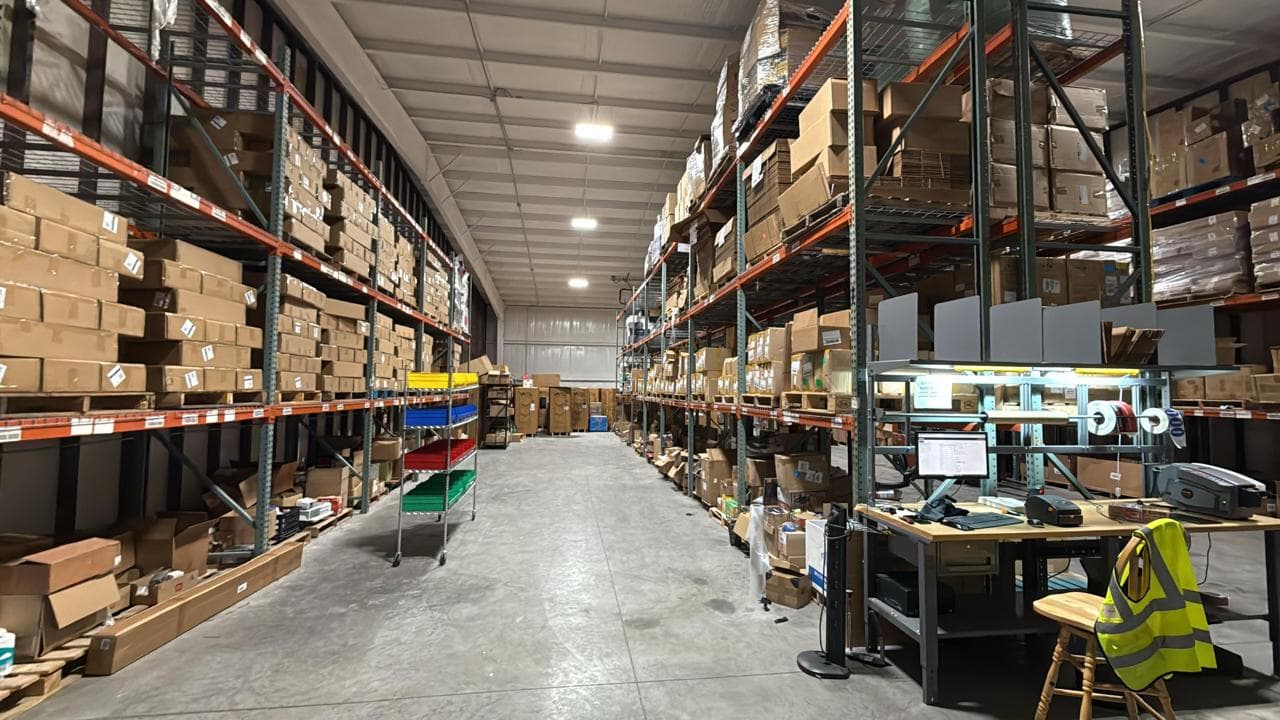
PO Creation From the Approved Buy
We raise POs from your approved buy plan or reorder list, with the correct supplier item codes, case packs, prices, terms and ship-to address on every line.
Supplier Acknowledgement
Every PO is chased until the supplier confirms each line and commits to a ship date. Changes to quantity, price or date come back to you before they are accepted.
Ship Date Tracking
Confirmed dates are rechecked ahead of time rather than discovered missed. When a date slips, you hear about it with the new date and the stock it affects.
Inbound Coordination
Ship notices are checked against the PO before the freight arrives, and deliveries into our Austin warehouse are expected rather than unannounced.
Receipt Reconciliation
The receiving count is compared with the PO line by line, and shortages, overages and damage are recorded against the order rather than lost in a note.
Three-Way Match Preparation
Before an invoice reaches you for payment, we compare it with the PO and the receiving record and flag every difference in item, quantity or price.
Open PO Report and Lead Time Log
One view of everything on order and when it is due, plus the actual lead time each supplier delivered, ready to feed back into planning.
Purchase order management is the execution step in our supply chain services. The quantities usually come from inventory planning, which in turn works from a demand plan. The measured lead times go straight back into each reorder point and safety stock figure. Selling to retailers? The EDI documents behind a retail PO are laid out on our retail fulfillment page.
How We Take Over Your Purchase Orders
Review What Is Open
We start with every PO currently open, which supplier it is with, what was confirmed and what is overdue.
Agree the Rules
We agree who approves a PO, what tolerance applies in the match, and which changes come back to you before they are accepted.
Issue and Confirm
New POs go out from the approved buy plan and are chased until every line is confirmed with a ship date.
Track to Arrival
Open POs are reviewed on a schedule we set with you, and slipping dates are raised before they become stockouts.
Receive and Reconcile
The receiving count is checked against the PO and the supplier invoice, and every difference is flagged to you.
Feed Back to Planning
Actual lead times and fill rates are logged per supplier and handed back so the next round of reorder points is built on real numbers.
Who Purchase Order Management Suits
This service fits brands where buying is happening but nobody has the hours to follow every order through to the dock.
Why Run Purchase Orders With RitePrep
The Receipt Comes From Our Own Dock
When your stock lands at our Austin warehouse, the receiving count in the three-way match is ours, not a figure relayed from a third party.
Planning and Execution Join Up
The same team that runs inventory planning can raise the POs, so the buy and the follow-through never drift apart.
You Keep the Decisions
You approve what is bought and you pay your suppliers. We make sure what you approved is what arrives and what you are billed for.
Measured, Not Quoted, Lead Times
Every PO records the dates that matter, so your reorder points rest on what suppliers actually deliver.
Amazon Inbound Covered Too
When goods ship straight to Amazon, the PO still needs tracking to receipt. Our Amazon inventory management covers the FBA side of that.
Supplier Coordination Without the Inbox Chase
Good purchase order management is mostly good supplier management carried out one order at a time. The relationship and the commercial terms stay yours. What we take on is the routine contact that keeps each order moving.
That history is what turns a supplier conversation from a complaint into a specific, dated list of what was late and by how much.
Questions, answered
Purchase order management is the process of creating, sending, confirming and tracking the orders a business places with its suppliers, from the reorder decision until the goods are received, counted and the invoice is paid. Its job is to keep every open order visible so quantities, prices and arrival dates can be checked at each step.
Know What Is on Order and When It Lands
Tell us how many suppliers you buy from and how your POs are handled today. We will show you how we would run them, from the first confirmation to the matched invoice.