
Inventory Planning and Replenishment Services
A warehouse looks after the stock you already have. Inventory planning decides what stock you should have next: which SKUs to reorder, how many units, and on what date the purchase order has to go out. This page explains how replenishment planning works, compares the main reorder methods, and sets out what our planning service delivers.
What Is Inventory Planning?
Inventory planning is the work of deciding how much of each product to buy and when to order it, balancing the risk of running out against the cost of holding more stock than sales need. It converts a sales forecast, supplier lead times and order minimums into a reorder point, safety stock level and purchase quantity for each SKU.
It sits between two other jobs. Before it comes demand planning, which estimates what will sell. After it comes purchasing, which places the order with the supplier and follows it until the goods land. Inventory planning is the middle step that converts an estimate of sales into a specific buy: this SKU, this many units, ordered by this date.
Inventory Planning vs Inventory Management
Inventory management is about the stock you hold today: receiving it, recording where it sits, keeping counts accurate and synced to every channel. Inventory planning is about the stock you do not have yet. One looks at the shelf, the other looks at the calendar.
The two depend on each other. A plan built on wrong counts orders the wrong amount, and accurate counts with no plan behind them still run out. If your question is how to track and count what you hold, our guide to ecommerce inventory management covers it, including the formulas for turnover, days on hand and sell-through. This page is about the buying decision.
What Is Inventory Replenishment?
Inventory replenishment is the act of restocking a product before it sells out, by placing a new order with a supplier or moving stock from one location to another. Replenishment planning is the set of rules that decides when that happens and how much is ordered each time.
Every replenishment rule answers the same two questions. The first is when to order, which is usually a stock level (the reorder point) or a date on a fixed cycle. The second is how much, which is either a fixed quantity, enough to reach a target level, or whatever a forecast says the next period needs. Safety stock is the buffer that sits under both answers to absorb late deliveries and sales spikes.
One detail catches a lot of brands out. A reorder point should be compared against inventory position, which is stock on hand plus stock already on order, minus backorders. Compare it against on hand alone and the same reorder gets triggered again while the first order is still on the water.
Inventory Replenishment Methods Compared
Most replenishment systems are a version of one of these five methods. They differ in what triggers an order, what data they rely on, and how they break when that data is wrong.
| Method | What triggers an order | Data it needs | Best suited to | How it fails |
|---|---|---|---|---|
| Continuous review (reorder point) | Inventory position falls to the reorder point, and a set quantity is ordered. | A live stock position, average daily demand, lead time and safety stock. | Fast movers and top sellers where stock can be watched every day. | Stale counts or an optimistic lead time fire the order late, and the SKU stocks out. |
| Periodic review (order up to) | A fixed date. Each order tops inventory position back up to a target level. | Demand and safety stock that cover the review period plus the lead time. | Many SKUs bought from one supplier together on a set weekly or monthly day. | A spike just after a review waits a full cycle, so it needs more buffer stock. |
| Min/max | Stock at or below the min. The order brings it back up to the max. | A min and a max per SKU, reset whenever demand or lead time changes. | Steady items, packaging and components where simple rules are enough. | Levels set once and never revisited drift away from real demand. |
| Forecast-driven (time-phased) | Projected stock, after forecast sales, would drop below safety stock within lead time. | A dated forecast by SKU, open purchase orders, lead times and safety stock. | Seasonal lines, launches and promotions where demand changes week to week. | A biased forecast orders the wrong amount with confidence unless error is tracked. |
| Just-in-time | Actual use or sale. Each unit consumed pulls a small, frequent replacement order. | Real consumption signals and a supplier with short, dependable lead times. | Steady demand, a nearby reliable supplier, and storage that is costly to hold. | One late delivery stops sales, because there is little or no buffer to fall back on. |
Min/max can be checked continuously or on a calendar, which is why it overlaps with the first two methods. Every method on this list should compare against inventory position (on hand plus on order, minus backorders), not on hand alone. The reorder point and safety stock formulas are in our glossary and on the ecommerce inventory management page, so they are not repeated here.
Why Reordering by Feel Stops Working
Most brands start by reordering when a shelf looks low. That holds up for a handful of SKUs and one supplier. It gets expensive as the catalog grows.
Bestsellers run out because the reorder went out after the lead time had already started to bite.
Slow SKUs get bought in the same quantities as fast ones, and cash sits in stock nobody is asking for.
Supplier minimums and case packs force buys that nobody checked against actual demand.
One safety stock rule applied to every SKU leaves some over-covered and others with no real buffer.
Seasonal peaks and promotions are planned from last month's sales instead of last year's season.
None of these are counting problems. The counts can be perfect and the shelf still empties, because the decision about what to buy was never made on purpose.
What Our Replenishment Planning Service Includes
We build the rules that decide when each SKU is reordered and how much, then run them with you on a regular cycle. You approve every buy.
Data Review
Sales history by SKU and channel, stock on hand, open purchase orders, supplier lead times, minimum order quantities and case packs, gathered from the reports you already keep.
SKU Segmentation
SKUs grouped by their share of sales and by how steady their demand is, so the tightest attention goes to the products that matter most.
Replenishment Method per Segment
A reorder method chosen for each group, such as a reorder point for steady fast movers and a forecast-driven plan for seasonal lines.
Reorder Points and Safety Stock
Set per SKU from its own demand and its own supplier's lead time, rather than one blanket number of weeks of cover.
Order Quantities That Fit the Supplier
Recommended buy quantities rounded to minimum order quantities, case packs and pallet loads, with the cash each order commits shown up front.
Buy Plan and Exception Review
A dated buy plan by supplier, plus a list each cycle of SKUs heading toward a stockout or an overstock so they get decided on, not discovered.
Inventory planning is one part of our supply chain planning services. The sales forecast it starts from is built in demand planning, and placing the order with the supplier and chasing it to arrival is purchase order management. Deciding which products belong in the range at all is assortment planning, and Amazon stock with its own capacity limits is covered in Amazon inventory management. For tracking and counting the stock you already hold, see ecommerce inventory management, and for the terms themselves, the glossary entries for safety stock and the reorder point. If your supplier would rather own the reorder, read our guide to vendor managed inventory.
How Replenishment Planning Works With Us
Share Your Data
Send sales history, current stock, open orders and your supplier terms. Spreadsheet exports are fine.
We Clean and Segment
We check the data for gaps, such as stockout days that hide real demand, and group your SKUs.
We Set the Rules
Each segment gets a replenishment method, reorder points, safety stock and order quantities.
You Review the Plan
We walk through the buy plan and the cash it commits, and adjust it to your priorities.
Orders Go Out on Time
You approve each buy. Your team or our purchase order service places it with the supplier.
We Review Each Cycle
Actual sales and lead times are compared with the plan, and parameters are reset where they drifted.
Who Inventory Planning Is Built For
It suits brands where the hard question is no longer where the stock is, but how much of it to buy next.
Why Plan Inventory With RitePrep
Planning Next to a Real Warehouse
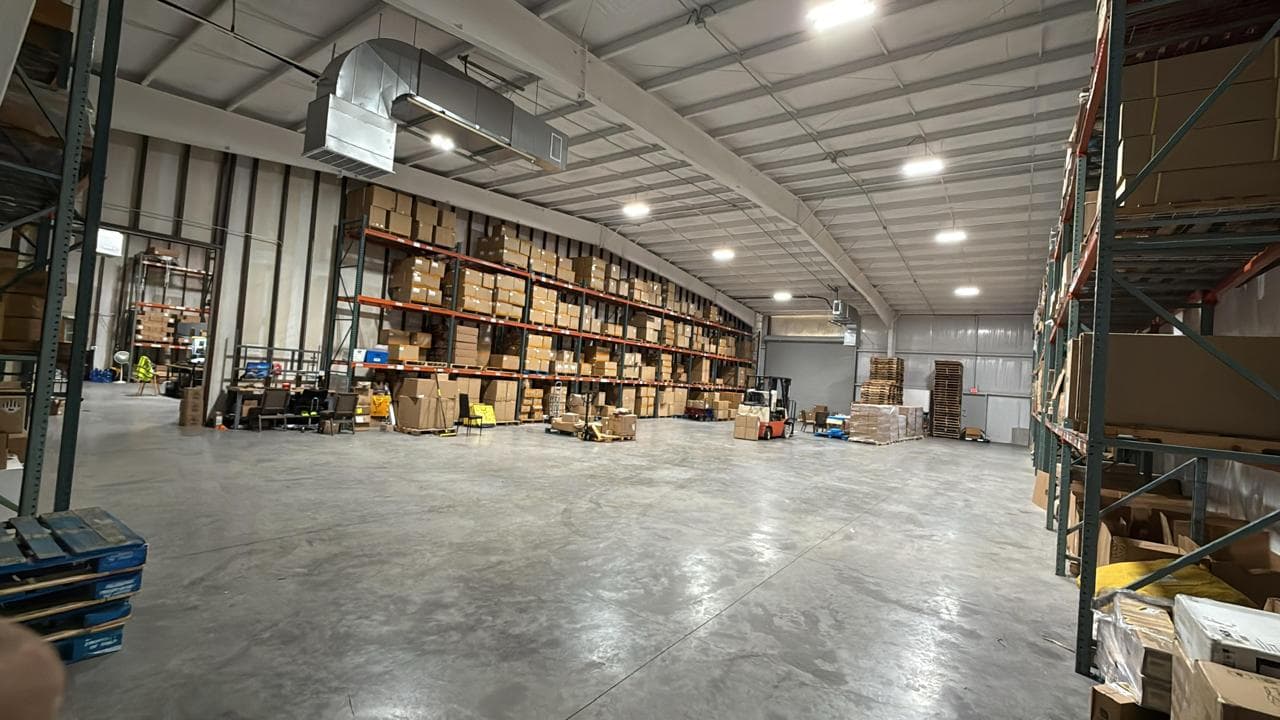
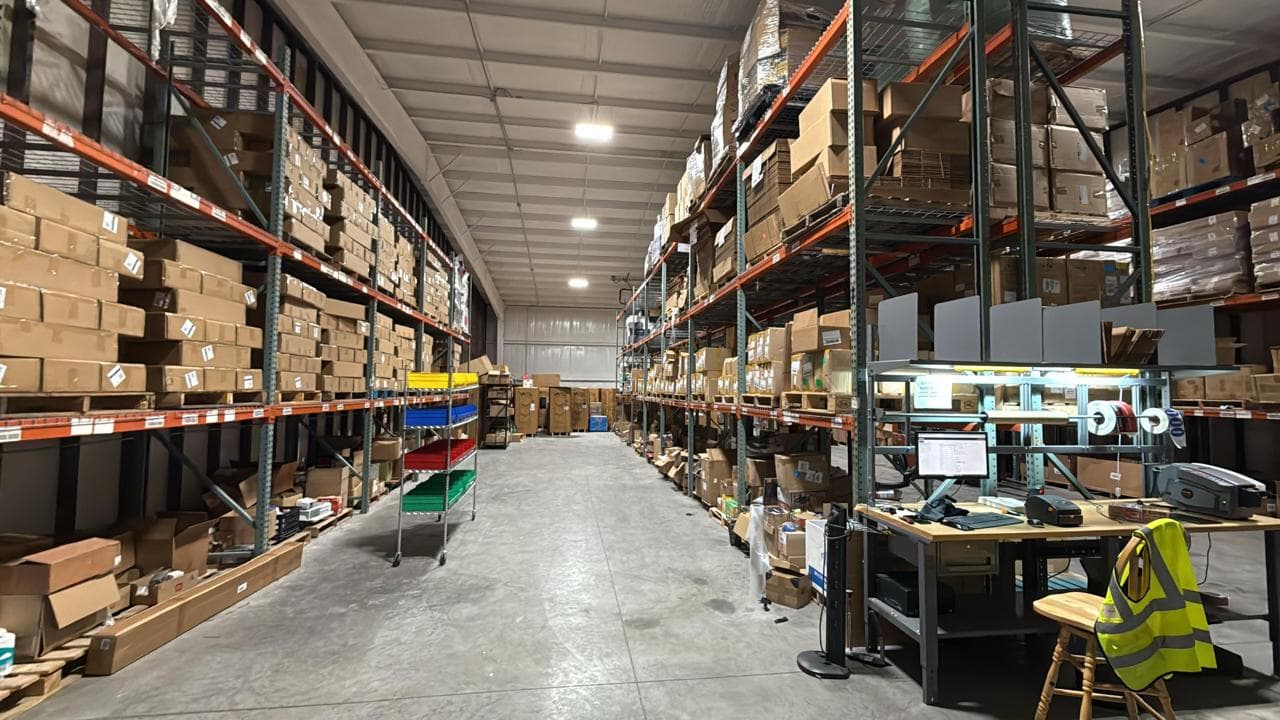
We receive and ship stock every day in Austin, so the plan accounts for receiving time, case packs and pallet loads, not just a number on a screen.
Your Approval on Every Buy
We recommend quantities and dates. The decision to commit cash stays with you.
Rules You Can Read
Every reorder point and order quantity comes with the inputs behind it, so your team can check it and keep it running.
Works From the Data You Have
We start from the sales and stock reports you already produce rather than asking you to change systems first.
Planning and Execution Kept Separate
Planning decides the buy. Purchase order management carries it out. You can use one without the other.
Questions, answered
Inventory planning is deciding what to buy, how many units and by what date. Too little and a bestseller runs out mid-lead-time; too much and the money sits on a shelf. The plan works from a sales forecast, supplier lead times and minimum order quantities, and ends in a reorder point, a safety stock level and a buy quantity per SKU.
Know What to Buy Before You Run Out
Tell us about your catalog, your suppliers and how you reorder today, and we will explain how a replenishment plan for your SKUs would work.