Supply Chain Audit Services for Product Brands
A supply chain audit is a one-off diagnostic. We look at how your business decides what to buy, how that stock reaches you, and what it costs to hold and ship, then hand you written findings and a ranked sequence of changes. This page covers what an audit examines, the warning signs in each area, and how the work runs.

What Is a Supply Chain Audit?
A supply chain audit is a one-time, structured review of how a business plans, buys, moves, stores and ships its products. It checks what actually happens against what should happen, using order, inventory and supplier data plus interviews with the people doing the work, and ends in written findings and a ranked list of fixes.
The phrase covers two different jobs, and search results mix them up. A compliance audit checks suppliers against an outside standard, such as labor conditions, environmental practice or a certification, and is usually carried out at the factory by an accredited third party. An operational audit checks whether your own planning, purchasing, inventory and fulfillment are working and what they cost you. This page is about the operational kind. RitePrep does not certify factories or run social compliance audits.
It also helps to separate two kinds of operations work. Warehouse services handle stock that already exists: receiving it, storing it, picking it, packing it and shipping it. Planning services decide what stock should exist in the first place: forecasting demand, setting reorder points, raising purchase orders and choosing the range. An audit looks across both, because many costly problems begin on the planning side and only become visible in the warehouse.
What You Receive at the End
The output is a findings report. For each area in scope it sets out the strengths worth keeping, the gaps that need attention, and the evidence behind each point, drawn from your own data or from what the team described. Findings are written in plain language for the people who will act on them, not as a scorecard.
Alongside the report you get a prioritized list of fixes. Each item names the problem it solves, what the change involves, who in your business would own it, and whether it depends on another fix landing first. The order matters more than the length of the list: a short sequence you can actually work through beats a long one that sits in a folder.
Supply Chain Audit vs Ongoing Operations Leadership
An audit is a diagnosis with an end date. It finds the problems, explains them and ranks them, then hands the list back to you. It does not run your purchasing, manage your suppliers or sit in your weekly meetings.
If you want someone to own operations on a continuing, part-time basis and carry the fixes through, that is a fractional COO engagement, which is a separate service. An audit can also help you decide whether you need that ongoing help at all, or whether your own team can work through the list.
Using an Audit Before a 3PL Move
One common reason to commission an audit is a planned change of warehouse. Brands often leave a 3PL because of stockouts, late inbound receiving or rising costs, and then find the same problems at the next provider because the cause sat upstream, in how stock was forecast, ordered or shipped in.
A 3PL transition review asks which problems belong to the current warehouse and which will travel with you. It also produces the facts a new provider needs to quote you properly: order profile, SKU count, inbound pattern and storage needs. That makes the selection checklist far easier to answer honestly.
Supply Chain Audit Areas and Warning Signs
Each area of an audit answers one question. The warning signs are what tends to show up when the answer is not good. If several of these sound familiar, that area is where an audit should start.
| Audit area | The question it answers | Warning signs |
|---|---|---|
| Forecast and planning process | How does the business decide what to buy, and is that method written down? | Reorders based on last order size or gut feel; forecasts never compared with real sales. |
| Purchase order discipline | Is every buy raised, confirmed and tracked on a PO that matches what arrives? | Orders agreed by email or chat; POs not updated when quantities or dates change. |
| Supplier performance and lead times | Do suppliers deliver what was ordered, on time, and does planning use real lead times? | Planning uses the lead time first quoted, not how long deliveries have actually taken. |
| Freight and inbound | What does it cost to get goods from supplier to shelf, and where does it slip? | No landed cost per unit on file; shipments reach the warehouse with no advance notice. |
| Inventory health and cash in stock | Is the stock you hold the stock you sell, and how much cash sits in units not moving? | SKUs with no sales in months still on the shelf while top sellers keep running out. |
| Fulfillment cost and accuracy | What does each order cost to get out the door, and how often does it go out wrong? | Nobody can state cost per order; wrong items found through complaints, not checks. |
| Systems and data | Do the store, inventory and accounting records agree on how much stock exists? | Each system shows a different on-hand count, reconciled by hand in a spreadsheet. |
| Team and handoffs | Who owns each step, and what happens to it when that person is away? | Reorder logic lives in one person's head; tasks fall between ops and finance. |
These are places to look, not pass or fail tests. A warning sign tells you where to dig, and the audit's job is to find out whether it is a symptom or the cause.
Signs an Audit Is Worth Doing
Operations problems rarely announce which part of the chain they come from. The symptoms land in the warehouse or the bank account, and the cause is often somewhere else.
You keep running out of bestsellers while slow stock fills the shelves.
Cash is tight even though sales are growing, and inventory is the likely reason.
Margin is shrinking and nobody can say whether buying, freight or fulfillment is the cause.
You are about to change 3PL, supplier or system and want to know what to fix first.
Every fix so far has been a workaround, and the workarounds are piling up.
An audit does not fix any of this by itself. It tells you which problem to fix first, and why.
What a Supply Chain Audit Examines
Scope is agreed before the work starts, so an audit can cover every area below or only the few that matter to the question you are trying to answer.
Forecast and planning process
How demand is forecast, how often the forecast is checked against real sales, and how it becomes reorder points and safety stock. Building that process properly is the job of demand planning and inventory planning; the audit tells you whether yours holds up.
Purchase order discipline
Whether every buy is raised on a PO, confirmed by the supplier, updated when it changes and matched to what arrives. Running that cycle day to day is purchase order management; the audit checks whether the records can be trusted.
Supplier performance and lead times
Whether suppliers ship what was ordered, in full and on the agreed date, and how far actual lead times have drifted from the ones planning assumes. Minimum order terms and payment terms are reviewed too, since they shape how much you have to buy at once.
Freight and inbound
How shipments are booked, what they cost per unit once they land, and whether the warehouse knows they are coming. Missing landed cost figures and inbound with no advance ship notice are both easy to check and easy to overlook.
Inventory health and dead stock
Stock age, slow movers, overstock sitting beside stockouts, and how much working capital is tied up in units that are not selling. The standard measures, such as days on hand and inventory turnover, are defined in our inventory management guide.
Fulfillment cost and accuracy
Cost per order across pick, pack, materials and postage, plus how errors are caught and traced. For sellers splitting stock between Amazon and another warehouse, this includes how FBA and AWD replenishment is decided, which is covered in depth on our Amazon inventory management page.
Systems and data
Which systems hold orders, stock and costs, whether their numbers agree, and how much of the operation runs on spreadsheets that one person maintains. The question is not which software you use, but whether the data can support a decision.
Team and handoffs
Who owns each step from forecast to delivered order, where work passes between people or departments, and what breaks when someone is away. Problems that surface elsewhere can often be traced to a handoff that nobody owns.
An audit is the entry point to our supply chain services. If the reason for the audit is a planned warehouse change, read our guide on how to choose a 3PL alongside it: the audit supplies the facts that checklist asks for.
How a Supply Chain Audit Runs
Scoping call
We agree the question the audit has to answer, which areas are in scope, and who on your side we will talk to. You get a written scope before anything starts.
Data request
We send a list of the exports we need, typically order history, inventory snapshots, purchase orders, supplier and freight invoices, and warehouse or 3PL invoices. Data that is hard to pull together is itself a finding.
Interviews and walkthroughs
We talk to the people who do the work and trace a few real transactions end to end, such as one purchase order from raising it to receiving the goods, to see where the documented process and the real one part ways.
Analysis
We test what the interviews describe against what the data shows, area by area, and separate symptoms from causes.
Findings and readout
You receive the findings report and the prioritized list of fixes, and we walk through them with your team so every item is understood and has a likely owner.
Your next step
You can work through the list with your own team, bring in planning help for specific fixes, or hand ongoing ownership to a fractional COO. The audit is complete either way.
Who a Supply Chain Audit Suits
An audit is most useful when something is clearly wrong but the cause is not, or when a big change is coming and you want a baseline first.
Why Run Your Audit With RitePrep
We run a warehouse
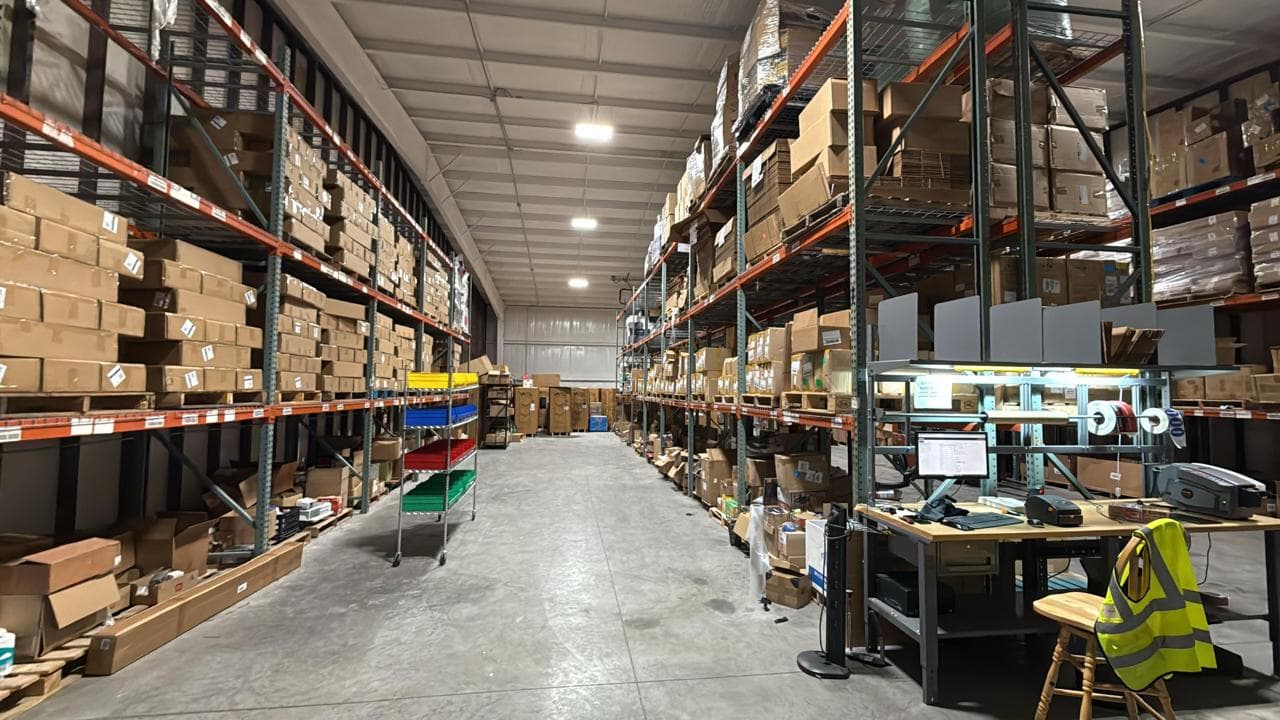
RitePrep operates a fulfillment warehouse in Austin, Texas, so findings about receiving, storage and fulfillment come from doing that work every day rather than from a framework.
Ranked, not exhaustive
Every finding is placed in order of what to do first. A long list of observations with no sequence is not much use to a small team.
No strings on the findings
The report stands on its own. You do not need to move inventory into our warehouse, or buy any other service, to use it.
A clear line between diagnosing and doing
The audit ends with findings. Ongoing ownership is a separate engagement you can choose or skip, so the diagnosis is not written to sell you the cure.
Evidence for every point
Each finding points to the data or the conversation it came from, so your team can check it and argue with it.
Questions, answered
A supply chain audit is a one-time, structured review of how a business plans, buys, moves, stores and ships its products. It compares what really happens with what should happen, using your data and interviews with your team, and ends with written findings and a ranked list of fixes.
Find Out What Is Really Costing You
Tell us what is going wrong or what change is coming, and we will propose a scope for an audit that answers that question.