
Ecommerce Supply Chain Services, Explained
Fulfillment ships the stock you already have. Supply chain planning decides what that stock should be: how much will sell, how much to buy and when, which supplier orders need chasing, and where cash is sitting on a shelf. This page explains what each planning service does and which question it answers, so you can start with the one you actually need.
What Are Ecommerce Supply Chain Services?
Ecommerce supply chain services cover the planning work that happens before stock reaches the warehouse: forecasting demand, setting reorder points and safety stock, placing and chasing purchase orders with suppliers, and deciding which products to carry. Fulfillment ships the stock a brand already holds. Supply chain planning decides what that stock should be.
Most growing brands run this work from a founder's head, a spreadsheet and an inbox full of supplier emails. That holds up until the catalog widens, a second sales channel opens, or lead times stretch, and then the same symptoms appear together: best sellers run out while slow SKUs tie up cash, and late supplier orders only surface when a listing goes out of stock.
Supply Chain Planning vs Logistics and Fulfillment
Logistics and fulfillment are the physical side: receiving, storing, picking, packing and shipping goods, plus the freight that moves them between places. Planning is the decision side: how much of each product the business needs, when it needs it, and who supplies it.
The two depend on each other. A warehouse can only ship what was bought, and a plan is only as good as the stock count it starts from. RitePrep runs both: fulfillment from one warehouse in Austin, Texas, and the planning services on this page.
How the Planning Services Fit Together
The services follow the order the work happens in. Demand planning forecasts what will sell. Inventory planning turns that forecast into reorder points and buy quantities. Purchase order management executes the buy with suppliers and tracks it until it arrives. Assortment planning sits above all three and decides which products are worth carrying at all.
A supply chain audit is a one-time diagnostic that shows where the process is breaking. A fractional COO takes ongoing ownership of the whole operation. Many brands use one or the other to decide which of the planning services they need first.
Which Planning Service Answers Which Question
Each service exists to answer one question. Find the question that is costing you the most right now and start there.
| Service | The question it answers | What you get | Start here when |
|---|---|---|---|
| Demand planning | How many units of each product will sell, and when? | One agreed forecast by SKU, period and channel. | Promotions, launches or seasonality keep catching you out. |
| Inventory planning | How much should we buy, and when should we reorder? | Reorder points, safety stock and buy quantities per SKU. | You run out of best sellers while cash sits in slow stock. |
| Purchase order management | Will the stock we ordered actually arrive on time? | Supplier POs confirmed, tracked and matched on arrival. | Late or short supplier orders surface too late to fix. |
| Amazon inventory management | How much belongs in FBA, and where should the rest wait? | FBA replenishment planned around capacity limits and fees. | Capacity limits or storage fees are forcing rushed shipments. |
| Assortment planning | Which products are worth carrying, and how deep? | A range plan and an open to buy budget by period. | The catalog keeps growing faster than sales do. |
| Supply chain audit | Where is the operation losing time and money? | Written findings and a ranked list of fixes. | You know something is wrong but not where to start. |
| Fractional COO | Who owns operations day to day? | Part-time senior ownership of the whole operation. | The founder is still running operations alongside everything else. |
The services can be used on their own or together. Planning works from your sales, inventory and supplier data, so it does not depend on where your stock is stored, though if it sits in our Austin warehouse the plan and the physical count come from the same place.
Where Ecommerce Supply Chains Usually Break
The warehouse is usually where the problem shows up. It is rarely where the problem started.
Best sellers run out while slow SKUs tie up the cash that should have paid for them.
Supplier orders are tracked in an inbox, so a late or short shipment only shows up when a listing goes out of stock.
Forecasts copy last year without adjusting for promotions, launches, or the weeks you were out of stock and sold nothing.
Amazon capacity limits and storage fees force rushed or oversized shipments into FBA.
Nobody owns the end-to-end process, so every problem gets fixed once and then happens again.
The Supply Chain Planning Services
Seven services, each covering one part of the planning work. Each page explains the method in detail.
Demand Planning
SKU-level forecasts by period and channel, adjusted for promotions, launches and stockout periods. How demand planning works
Inventory Planning and Replenishment
Reorder points, safety stock and buy quantities that turn the forecast into a purchasing plan. How inventory planning works
Purchase Order Management
Supplier orders raised, confirmed and tracked against lead times until the goods are received and matched to the invoice. How PO management works
Amazon Inventory Management
FBA replenishment planned around capacity limits, inventory performance and fees, with upstream stock held where it makes sense. How Amazon inventory planning works
Assortment Planning and Open to Buy
Which products to carry and in what depth, with a budget that limits new buying to what sales can support. How assortment planning works
Supply Chain Audit
A one-time review of planning, suppliers, freight and fulfillment that ends in written findings and a ranked list of fixes. What an audit covers
Fractional COO
Ongoing, part-time ownership of operations for brands that need senior leadership before a full-time hire. How a fractional COO engagement works
Planning decides what to buy. Once it arrives, the warehouse side takes over: our inventory management guide covers tracking and counting stock you already hold, and warehousing and storage covers where it lives. If you are rethinking the warehouse itself, start with how to choose a 3PL.
How a Supply Chain Engagement Starts
Tell Us Where It Hurts
Stockouts, cash tied up in stock, late suppliers, Amazon limits, or no one owning operations.
Pick the Right Service
We match the problem to the service that answers it, or suggest an audit if it is not clear yet.
Share the Data
Sales history by SKU, current stock, open purchase orders and supplier lead times.
Agree the Scope
What will be delivered, by when, and who signs off, agreed in writing before work starts.
Plan and Review
Forecasts, reorder points or findings are delivered with the inputs behind them.
Run It or Hand It Over
Keep the work running with us each cycle, or take the plan and run it in-house.
Who Supply Chain Planning Is For
These services suit product brands whose buying decisions have outgrown a spreadsheet and one busy founder.
Why Plan Your Supply Chain With RitePrep
Planning Next to a Real Warehouse
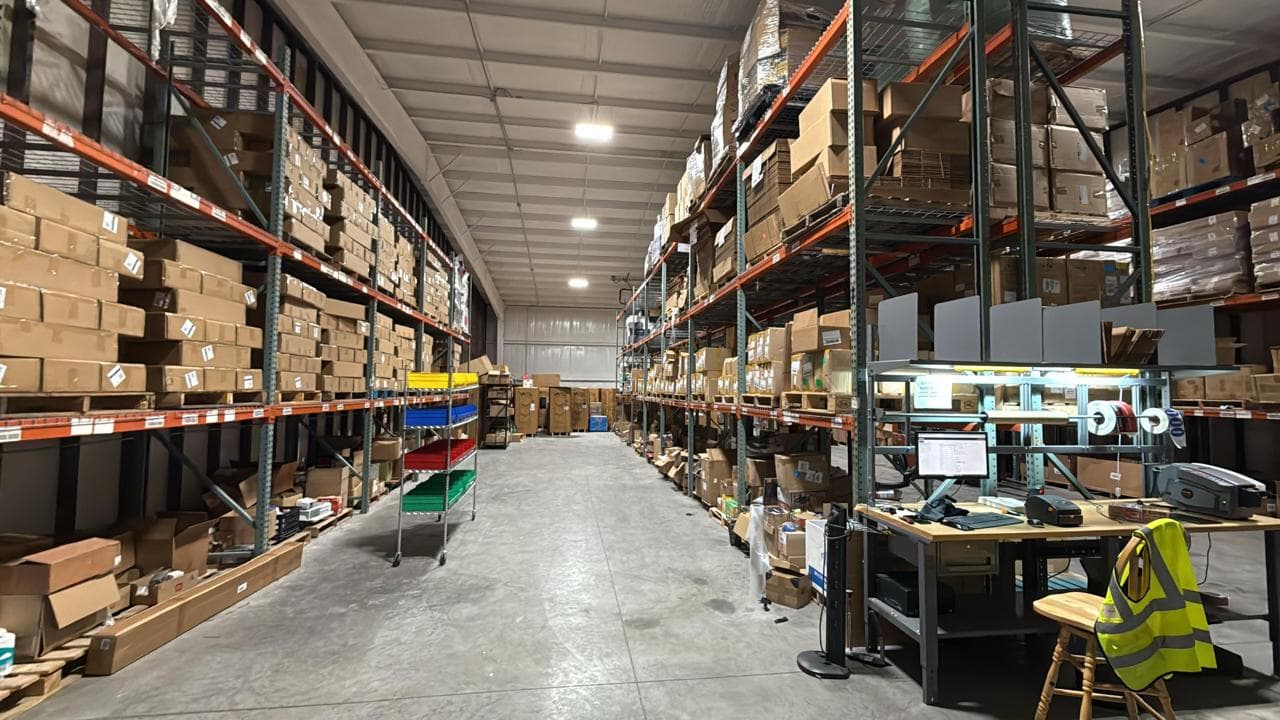
RitePrep runs a working warehouse in Austin, Texas. When your stock is there, the plan starts from the same count the warehouse keeps.
One Question per Service
Each service answers one defined question, so you buy the part of the work you need rather than a broad retainer.
Plans You Can Read
Forecasts and reorder points come with the inputs that produced them, so you can see why a number is what it is.
Works Wherever Your Stock Is
Planning runs on your sales, inventory and supplier data, whether the stock sits with us, with another 3PL or with Amazon.
Questions, answered
They are the planning services that sit upstream of fulfillment: demand planning, inventory planning and replenishment, purchase order management, assortment planning, and support such as audits and fractional operations leadership. Fulfillment ships the stock a brand holds. These services decide what that stock should be and make sure it arrives.
Find the Part of Your Supply Chain That Needs Planning
Tell us where stock, suppliers or cash are causing problems, and we will point you to the service that answers it, or to an audit if the cause is not clear yet.