
Warehousing and Storage Services, Explained
Storage is keeping goods safe. Warehousing is storage plus the work around it: receiving shipments, counting them in, slotting them, and getting stock back out again. This page covers how the two differ, what a warehousing service includes, and how storage space is actually measured and billed. RitePrep does the work from one warehouse in Austin, Texas.
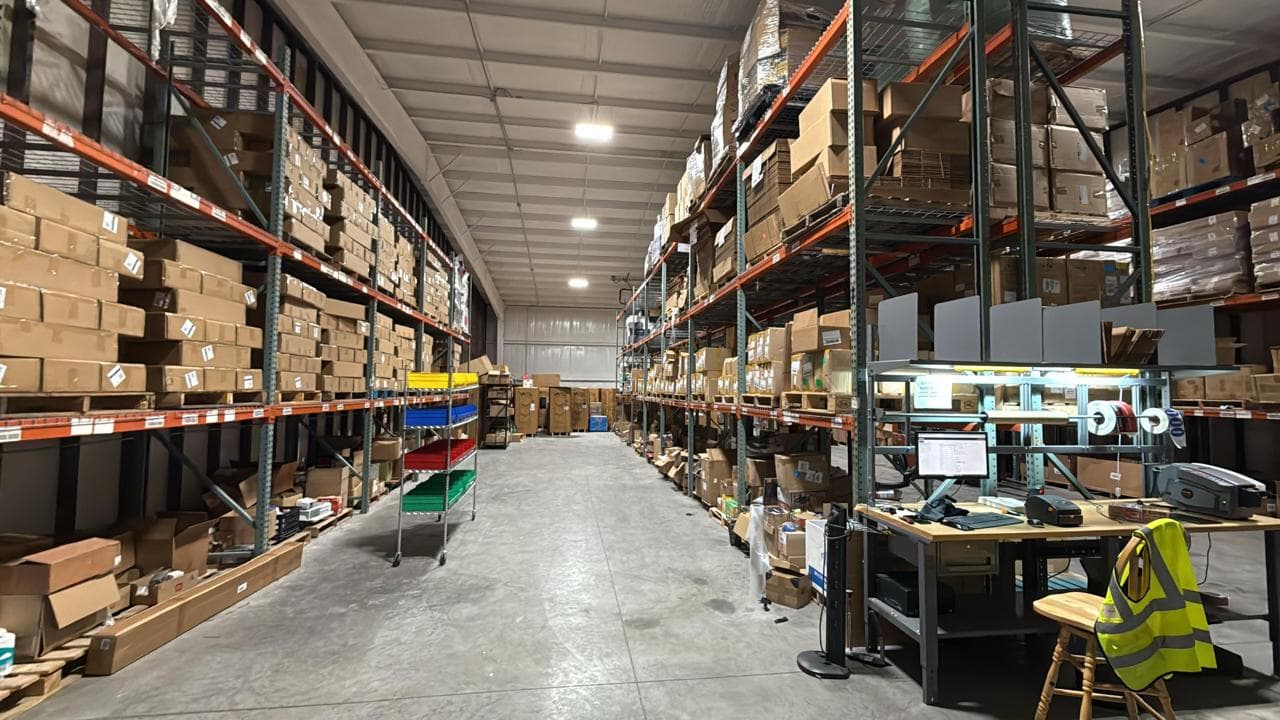
What Is Warehousing and Storage?
Warehousing and storage is the business of holding goods in a dedicated building until they are needed. Storage is the passive part, keeping stock safe and in good condition. Warehousing is the active part: receiving shipments, counting them in, organizing where things sit, and moving goods back out to orders.
The two words are often used interchangeably, and at low volume the difference is academic. It stops being academic the moment inventory has to move on a schedule, because that is when the record of what you have, and where it is, becomes the thing you are really buying.
What Is the Difference Between Warehousing and Storage?
Storage answers one question: where is it kept, and is it still in good condition. Warehousing answers several more: what arrived, how much of it, where it was put away, what is on hand right now, and what leaves today.
A self-storage unit is storage. Nobody counts what goes in, nobody tells you what is left, and nobody pulls an order out of it overnight. A warehouse is storage plus labor plus a record of every unit that crosses the door. That record is what stops you overselling a SKU you ran out of two weeks ago.
The practical test is whether the space knows what is in it. If you have to walk in and look, you are paying for storage. If a system can tell you before you walk in, you are paying for warehousing.
Warehouse, Distribution Center, or Self-Storage Unit?
A self-storage unit is usually the cheapest way to hold stock and the most expensive way to ship from one, because every hour of handling is yours. It works while order volume is low and predictable, and it stops working the week it is not.
A warehouse holds inventory and works it. Goods are received against a document, put into a recorded location, counted, and picked. Space is measured and billed, and so is the handling, usually as separate lines.
A distribution center is a warehouse tuned for throughput rather than dwell time. Stock is expected to leave quickly, so the layout and the staffing assume movement rather than months of rest. A 3PL that stores and ships for you sits between the two, which is why storage and fulfillment usually appear on the same quote.
What a Warehousing and Storage Service Includes
A warehousing and storage service normally covers inbound receiving with a count against your packing list, put-away into a recorded location, the storage itself, ongoing inventory checks, and outbound handling when stock leaves, whether that is one order or a pallet going to a retailer. Value-added work such as kitting, labeling, or returns is usually quoted separately.
Two things decide what you pay: how much space your inventory occupies, and how often it gets touched. A slow reserve of pallets is cheap to hold and rarely handled. A fast-moving catalog in bins is the reverse. Good quotes split the two, which is why a storage rate on its own tells you very little.
How Warehouse Storage Is Priced
Storage quotes are hard to compare because providers measure space in different ways. Here are the models you will meet, what each one actually counts, and where the surprises tend to sit.
| Pricing model | What it measures | What it suits | What quotes tend to leave out |
|---|---|---|---|
| Per pallet, per month | Pallet positions occupied, counted on a monthly cycle. | Case-quantity and B2B stock that racks on standard pallets. | A half-empty pallet still bills as a full position. |
| Per bin or shelf | The number of small bin, tote, or shelf locations your SKUs fill. | DTC catalogs with many SKUs and few units of each. | Bin sizes differ by provider, so location counts are not comparable. |
| Per square foot | Floor area reserved for you, whether or not it is full. | Dedicated space, or odd-shaped goods that will not rack. | Height is not counted, and aisle space may or may not be billed. |
| Per cubic foot | The volume your goods physically occupy in shared space. | Mixed or irregular inventory sharing a building with other brands. | How cube is sampled: a month-end snapshot or a daily average. |
| Per unit stored | Unit count, sometimes banded by item size or weight. | Small, uniform items where measuring cube is impractical. | Bulky items can cost more this way than on a pallet rate. |
Whichever model a provider uses, ask three questions before comparing numbers: what the monthly minimum is, whether partial months are prorated, and whether receiving and handling are billed separately from the storage line. RitePrep quotes against your real footprint rather than a published rate card, because the right model depends on whether your inventory racks on pallets or lives in bins.
When Storing It Yourself Stops Working
Self-storage and spare rooms work until volume catches up with you. Then the cracks show.
Running out of space: inventory spills into every corner and you cannot scale for peak season.
Inaccurate counts: without a proper system, you oversell or tie up cash in stock you cannot find.
Wasted time: hours spent counting, organizing, and hunting for products is time not spent growing the brand.
What's Included in Our Warehousing and Storage
We treat your inventory like the asset it is, from the moment it arrives to the moment it ships.
Inbound Receiving and Put-Away
Every shipment is counted, checked against your packing list, and put away into organized storage.
Organized Slotting
Products are stored in a logical, slotted layout so picking is fast and accurate when orders come in.
Real-Time Inventory Tracking
Our system shows current stock levels so you always know what you have and what is running low.
Secure Storage
Your products are stored in a monitored facility built to keep inventory safe and accounted for.
Scalable Space
Add or reduce space as your volume changes, without signing a long commercial lease.
Storage is rarely bought on its own. The same Austin inventory pool feeds pick and pack, B2B and retail orders, and kitting when stock ships as a bundle. If you are working out what the whole arrangement costs, our 3PL pricing guide breaks down how storage sits alongside the other fees, and our guides to inventory management and the warehouse management system cover the record-keeping side.
How Our Warehousing Process Works
Calculate Price
Request a quote based on your storage footprint and volume.
Plan Your Storage
We map how your inventory will be received and slotted.
Send Your Inventory
Ship your products to our Austin, TX warehouse.
We Receive and Count
Each shipment is checked, counted, and entered into our system.
We Slot and Store
Products are stored in an organized layout built for fast picking.
You Stay in Control
Track stock in real time and ship orders straight from storage.
Who Our Warehousing and Storage Is Built For
Our warehousing fits brands that have outgrown storing inventory on their own.
Commercial Warehousing and Storage in Austin, Texas
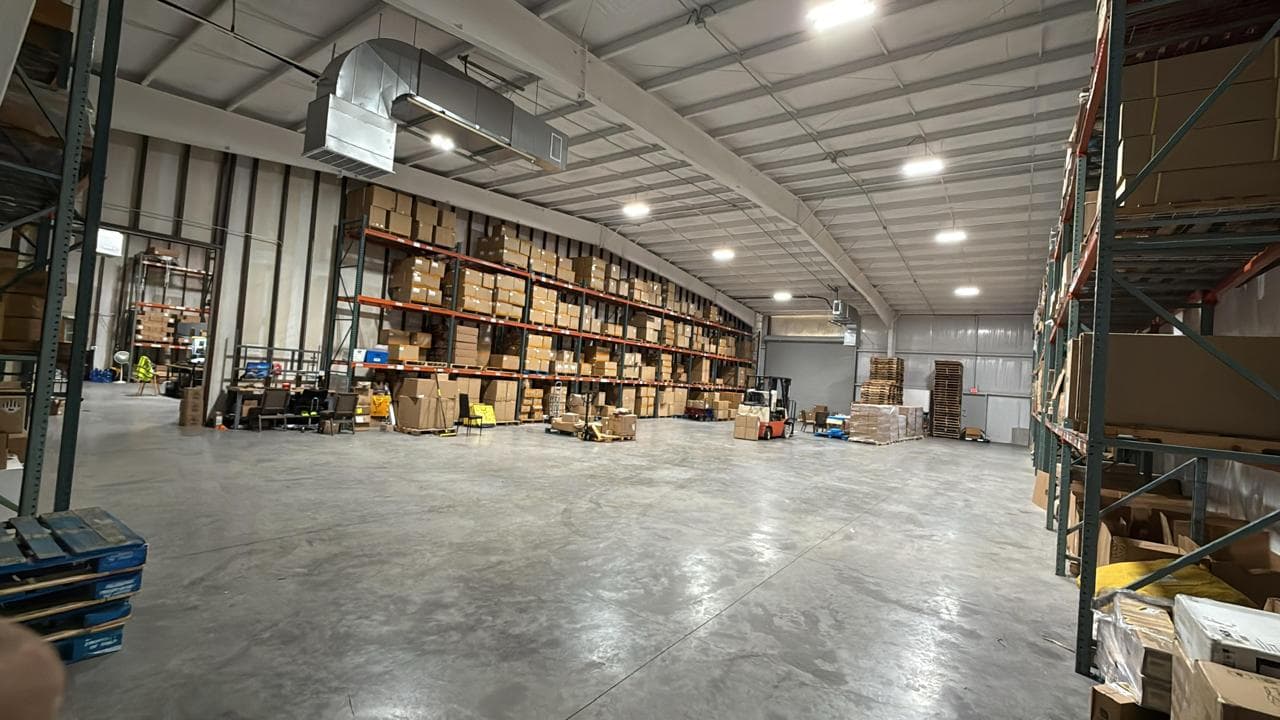
RitePrep runs one warehouse, in Austin, Texas. Your stock is not split across a network of buildings, which means one count, one team, and one place to call when something needs checking. Central Texas also puts your inventory within reach of national carrier lanes, whether you are an Austin brand or shipping across the country.
Questions, answered
Warehousing and storage is the business of holding goods in a dedicated building until they are needed. Storage is the passive part, keeping stock safe and in good condition. Warehousing is the active part: receiving shipments, counting them in, organizing where they sit, and moving goods back out to orders.
Get Started With Warehousing and Storage Today
Give your inventory a real home. Let our Austin, TX team receive, store, and track your products so you can focus on selling.