
Fractional COO Services for Growing Product Brands
A fractional COO takes ongoing, part-time ownership of operations, so the founder stops being the person every supplier, stockout and 3PL question lands on. This page covers what the role owns, the signs a brand needs one, how an engagement is scoped and run, how it compares with a full-time or interim COO, and how to judge whoever you hire.

What Is a Fractional COO?
A fractional COO is a senior operations leader who works part-time, often for several companies at once, and takes ongoing ownership of operations without becoming a full-time employee. They give an agreed share of their time each month. At a product brand that usually means planning and purchasing, suppliers, stock levels, the 3PL relationship, systems, reporting and staffing.
The word that matters is ownership. A fractional COO does not hand you a report and leave. They hold a set of decisions, run the weekly rhythm that keeps operations on track, and answer for the results in the areas they own. What makes the role fractional is the time, not the responsibility: they are in your business for part of each week or month rather than every day.
For a product brand, operations spans two kinds of work. Warehouse work handles stock that already exists: receiving it, storing it, picking, packing and shipping it. Planning work decides what stock should exist in the first place: forecasting demand, setting reorder points, raising purchase orders and choosing the range. A fractional COO sits across both, because the costly problems usually start on the planning side and only surface in the warehouse.
What a Fractional COO Does Day to Day
Most of the work is a repeating rhythm rather than a single project. A typical week includes an operations review with the team, a look at stock on hand, on order and in transit, calls with suppliers or the 3PL where something has slipped, and decisions on anything that cannot wait for the next review. Between those fixed points, the fractional COO is reachable for issues inside the scope they own.
Alongside the rhythm sits a short list of improvement work: fixing a broken reorder process, tightening how purchase orders are tracked, preparing a warehouse move, or writing the role for the first full-time operations hire. The list is ranked, and it changes as items are finished.
Fractional COO vs a Supply Chain Audit
A supply chain audit is a one-off diagnostic. It examines how the business plans, buys, moves and ships stock, then delivers written findings and a ranked list of fixes, and it ends there. A fractional COO is ongoing ownership: the person who carries those fixes through and keeps operations running afterwards.
Starting with an audit, or a shorter version of one, is common for a practical reason. It gives both sides the same facts about what is wrong before anyone agrees on scope, and it turns the first months of the engagement into a known list rather than a guess.
What a Fractional COO Is Not
A fractional COO is not a project manager hired to run one initiative, and not a consultant who recommends and steps back. It is also not a finance role. A fractional CFO owns cash, accounting, forecasting the financials and investor reporting; a fractional COO owns how the product gets planned, bought, stored and delivered. The two overlap on inventory, because stock is where much of a product brand's cash sits, so they work best when they talk often.
Fractional COO vs Full-Time COO vs Consultant vs Interim COO
Each of these is the right answer at some stage. The table sets out how they differ on time, authority, cost structure and length, so you can see which one fits the business you have now rather than the one you expect to have.
| Fractional COO | Full-time COO | Consultant | Interim COO | |
|---|---|---|---|---|
| Time commitment | Part-time, an agreed share of days or hours each month, alongside other clients. | Full-time and dedicated to one company. | Intensive while the project runs, then finished. | Usually full-time or close to it, for a set period. |
| Ownership and decision rights | Owns agreed areas with written decision rights; brings the rest to the founder. | Owns all of operations, with authority set by the CEO and board. | Advises and recommends. The client decides and does the work. | Sits in the COO seat with broad authority while the gap lasts. |
| Cost structure | Usually a recurring fee for a share of time, with no salary or benefits. | Salary, benefits and often bonus or equity, plus the cost of a search. | A project or day-rate fee tied to a defined deliverable. | A rate for the period, sometimes paid through an interim firm. |
| How long it lasts | Open-ended and reviewed regularly; often runs until a full-time hire makes sense. | Permanent, until the person leaves. | Ends when the deliverable is handed over. | A fixed term that ends when a permanent hire starts or the crisis passes. |
| Day-to-day involvement | Runs the operating rhythm: weekly reviews, supplier and 3PL calls, reporting. | In the business every day, managing the operations team directly. | Mostly outside the day-to-day, working from interviews and data. | Fully in the day-to-day, often steering a team through a transition. |
| Who it suits | Brands that need senior operations ownership but not a full-time executive yet. | Larger businesses whose operations need a full-time leader and a team. | Teams with one specific question and the capacity to act on the answer. | Companies covering a sudden vacancy, a turnaround or a major transition. |
| Main risk | Limited hours spread thin if the scope is vague or daily cover is needed. | A large fixed cost, and a wrong hire is slow and costly to undo. | Recommendations stall when nobody is left to own them. | Knowledge leaves with the interim unless the handover is planned. |
A supply chain audit is a consulting engagement in this sense: it diagnoses and ranks, then hands the list to you. A full-time COO becomes the better choice once operations needs someone in the building every day, or once the team reporting to operations is large enough to need daily management.
Signs a Brand Needs a Fractional COO
The need rarely shows up as one big failure. It shows up as the founder doing more and more of the operations work, and that work getting harder to hand to anyone else.
The founder still approves every purchase order, answers the 3PL and chases late suppliers.
Growth has outpaced the process: more SKUs, channels and suppliers than the spreadsheets were built for.
Nobody owns the handoffs between planning, purchasing, finance and fulfillment, so problems fall between them.
A 3PL move, a new inventory system or a new sales channel is coming and nobody has time to run it.
Nobody can say in one weekly view what is in stock, what is on order and what arrives when.
You expect to need a full-time COO eventually but cannot yet define the role or justify the cost.
One of these on its own can often be handled by the existing team. Several at once usually means the business needs an owner for operations, not more effort from the founder.
What a Fractional COO Owns
Scope is agreed before the work starts, so an engagement can cover every area below or only the ones where the business is weakest. These are the areas a fractional COO typically takes on for a product brand.
Planning
Making sure there is a working process for forecasting what will sell and turning that forecast into buying decisions. The detailed work is demand planning and inventory planning; the fractional COO owns whether that process exists, is followed and is checked against real sales.
Inventory
Stock health and the cash tied up in it: slow movers, stockouts, and whether reorder points and safety stock still match how the business sells. The warehouse side of tracking and counting is covered in our inventory management guide.
Suppliers and purchasing
Supplier relationships, terms, minimum order quantities and real lead times, plus the discipline of raising and tracking every buy. Running that cycle day to day is purchase order management; the fractional COO owns the supplier relationship and the decisions behind it.
Fulfillment and 3PL relationships
Holding the warehouse to what was agreed, reviewing its invoices, and leading any move to a new provider, using a checklist like our guide on how to choose a 3PL. For Amazon sellers this includes how stock is split and replenished, covered on our Amazon inventory management page.
Systems
Which system holds orders, stock, purchase orders and costs, whether their numbers agree, and what to change when they do not. The point is data the business can make decisions on, not a particular piece of software.
Reporting
A short, regular set of operations numbers with agreed definitions, so the founder, finance and the team are looking at the same picture each week instead of rebuilding it from scratch.
Team structure
Who owns each step from forecast to delivered order, which tasks should move off the founder, and when to make the first operations hire, including writing the role.
Operating cadence
The fixed meetings that keep operations on track: a weekly review, a monthly planning session and a regular look at how the scope and priorities should change.
Fractional operations leadership is part of our supply chain services. If you want a diagnosis before deciding on ongoing help, start with a supply chain audit. If the question is which products to carry at all, see assortment planning.
How a Fractional COO Engagement Works
First conversation
We talk through how the business runs today, what is going wrong and what is about to change, and whether a fractional engagement is the right tool at all.
Diagnose first
We usually suggest starting with a supply chain audit or a shorter discovery, so scope is set on evidence rather than assumption. If an audit has already been done, its findings become the starting list.
Scope and decision rights
We agree in writing which areas the fractional COO owns, which decisions they can make alone, which need the founder's sign-off, and any spending limits. Clear decision rights matter more in a part-time role than a full-time one.
Cadence and time
We agree how much time the engagement includes, which meetings are fixed each week and month, and how issues are handled between them.
First priorities
The opening weeks go on the highest-ranked fixes and on setting up the weekly reporting, so progress can be seen and argued with.
Review and hand over
Scope is reviewed regularly and can grow, shrink or end. When the business is ready for a full-time operations leader, the job becomes writing the role, documenting how things run and handing over cleanly.
Who a Fractional COO Suits
A fractional COO fits a business with real operations complexity but not yet the size, or the budget, for a full-time executive.
Why Consider RitePrep for Fractional Operations Leadership
We describe the engagement here rather than the person, because the right operator depends on your business. You meet whoever would do the work before anything is agreed.
We run a warehouse
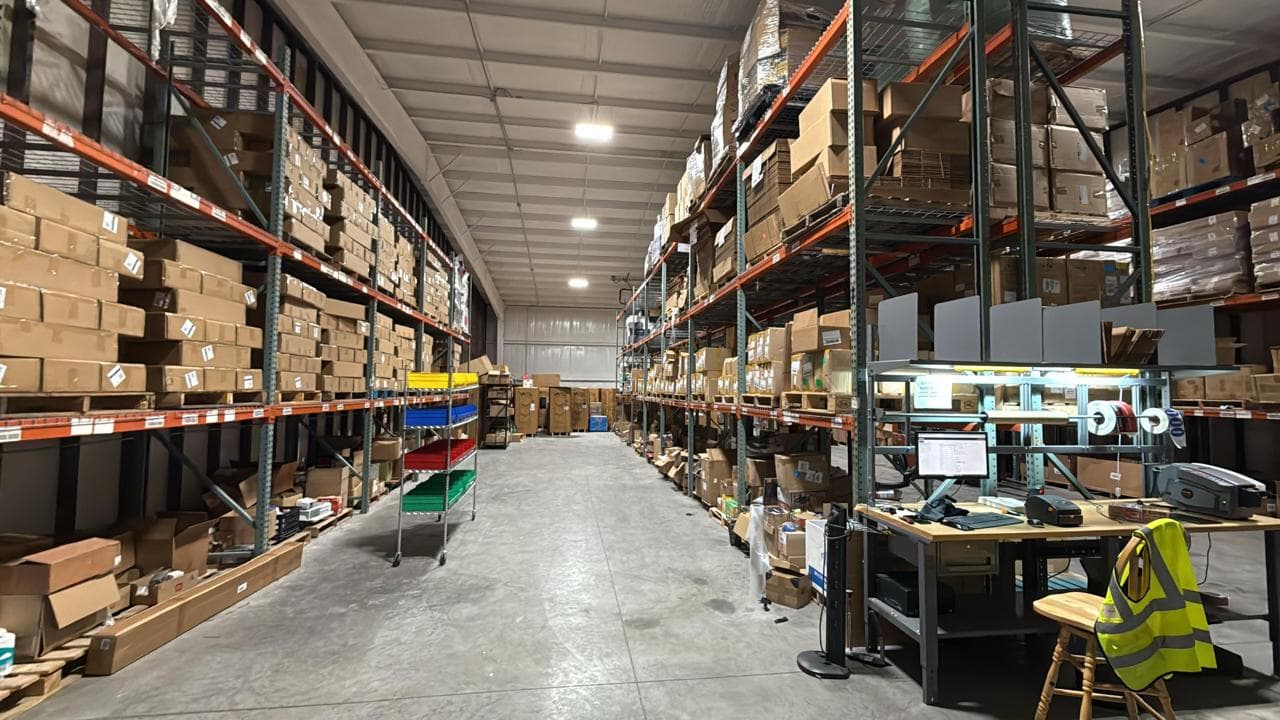
RitePrep operates a fulfillment warehouse in Austin, Texas, so advice on receiving, storage and shipping comes from a business that does that work every day, not from a framework.
Planning and warehouse in one view
Advice on what to buy is checked against what happens when it reaches a receiving dock, which is where many handoff problems hide.
Decision rights written down
What the fractional COO can decide alone, and what comes back to you, is agreed before the work starts.
Built to hand over
Processes, reports and roles are documented as the work goes, so the business does not depend on a part-time leader to keep running.
No warehouse requirement
You do not need to move inventory into our warehouse to use this service. It works whether you ship in-house, use another 3PL or sell through Amazon.
The honest limit
A part-time leader cannot give daily cover. If your operations need someone in the building every day, a full-time or interim COO is the better choice, and we will say so.
How to Evaluate a Fractional COO
A fractional COO is hired for who they are and how they work, so judge the person, not the title. These questions apply to anyone you consider, including us.
Put the answers from each candidate side by side. Specific answers about your kind of business are a better sign than a long list of past titles.
Questions, answered
A fractional COO is an experienced operations leader hired part-time, often alongside other clients, to own a company's operations on an ongoing basis instead of as a salaried executive. At a product brand the remit typically runs from planning and purchasing through suppliers, stock, the 3PL relationship, systems, reporting and who does what on the team.
Put Someone in Charge of Operations
Tell us how your operations run today and what is about to change. We will talk through whether a fractional engagement fits, what it would own, and whether an audit should come first.