
Retail Fulfillment Services: EDI, Routing Guide Compliance, and Retail-Ready Pallets
Selling into retail means shipping to somebody else's rulebook: their carton specs, their labels, their EDI documents, their delivery window. Below is how retail fulfillment actually works, including the EDI documents behind every purchase order, and then how RitePrep runs it out of one Austin, Texas warehouse.
What Are Retail Fulfillment Services?
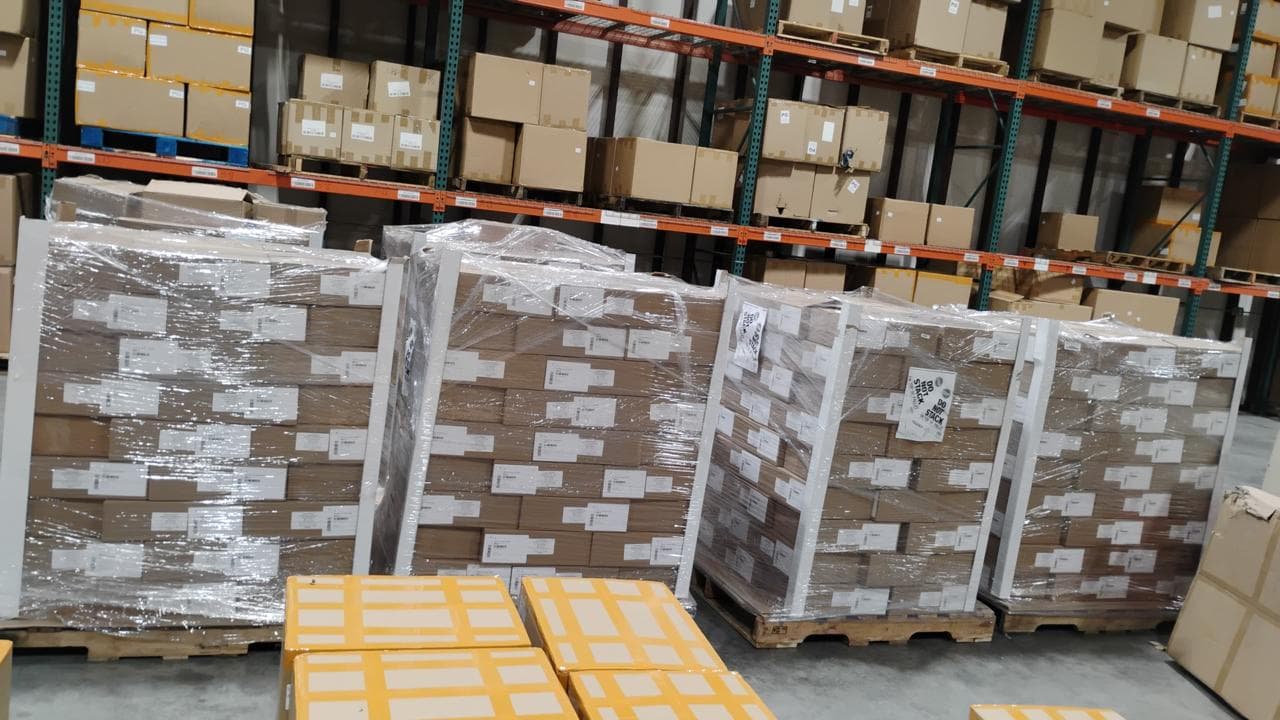
Retail fulfillment services are third-party warehouse operations that receive a brand's inventory, then pick, case pack, palletize, label, and ship wholesale purchase orders to retailers' distribution centers or stores. Each order is prepared to that retailer's routing guide, which sets carton specs, barcode labels, shipping documents, and the delivery appointment window.
That is the part that separates it from direct-to-consumer fulfillment. A DTC order is one parcel to one shopper, and the only party grading the work is the buyer. A retail order is a pallet into a receiving dock that scans it, measures it against a published spec, and deducts money when it does not match. The unit of work is the purchase order, not the parcel.
The other half of the job is data. Retailers exchange orders, shipment contents, and invoices as EDI transaction sets on a schedule, so a wholesale or retail purchase order is only complete when the paperwork lands as well as the freight. The table below breaks down each document and what goes wrong when it is late or inaccurate.
Routing guide
The retailer's published rulebook for suppliers: carton specs, label format and placement, pallet build, approved carriers, and the delivery window.
EDI
Electronic Data Interchange, the standardized file format retailers use to send purchase orders and receive shipping and invoice data instead of email.
Chargeback
A deduction the retailer takes off your payment when a shipment misses a routing guide rule, from a mislabeled carton to a missed appointment.
The EDI Documents Behind One Retail Purchase Order
Retailers do not email purchase orders. They exchange standardized EDI transaction sets, and a routing guide usually attaches a deadline to each one. Below are the documents that make up a typical retail order cycle, including the purchase order change that is easy to miss once an order is already open.
| Document | What it is | Who sends it | What breaks if it is late or wrong |
|---|---|---|---|
| 850 Purchase Order | The retailer's order: items, quantities, prices, ship-to location, and delivery window. | Retailer to supplier | Nothing ships. The order waits until somebody rekeys it by hand. |
| 855 PO Acknowledgement | Your reply confirming, changing, or rejecting each line on the 850. | Supplier to retailer | The retailer plans on quantities you cannot ship, and the short-ship gets deducted. |
| 860 PO Change | The retailer's revision to an open order: quantity, dates, or line-level changes. | Retailer to supplier | You pick against the old version and ship the wrong quantity or the wrong date. |
| 856 Advance Ship Notice | A map of the shipment: what is on each pallet and carton, tied to its GS1-128 label. | Supplier to retailer, before the truck arrives | Receiving cannot scan the load, and the ASN itself becomes a chargeback line. |
| 810 Invoice | Your invoice, referenced back to the 850 and to what actually shipped. | Supplier to retailer | Payment stalls, or a price and quantity mismatch turns into a deduction. |
| 997 Functional Ack | A technical receipt confirming an EDI file arrived and passed syntax checks. | Whichever party received the document | You cannot prove a document was delivered, so the dispute becomes your word alone. |
These are ASC X12 transaction sets, the same numbering across every US retailer. A 997 confirms the file was readable, not that the retailer agreed to the business terms. Which documents you are required to support, and how many hours you get to send each one, are set by that retailer's own vendor routing guide.
Why Retail Orders Trip Up Growing Brands
Selling direct to shoppers and selling into retail are two different disciplines. A retailer's routing guide dictates carton specs, pallet configuration, label placement, and the exact delivery window your freight has to hit. Miss any one of those and the retailer deducts a chargeback from your payment before you ever see it.
Most brands feel this pain in three places.
- 1Chargebacks pile up from a wrong label, an off-spec carton count, or a missed appointment window, and each one is a direct hit to margin.
- 2Routing guides differ by retailer and change without much notice, so a process built for one big-box account rarely transfers cleanly to the next.
- 3Retailers expect electronic purchase orders and advance shipping notices through EDI, which most growing brands have never had to build or maintain in-house.
How RitePrep's Retail Fulfillment Process Works
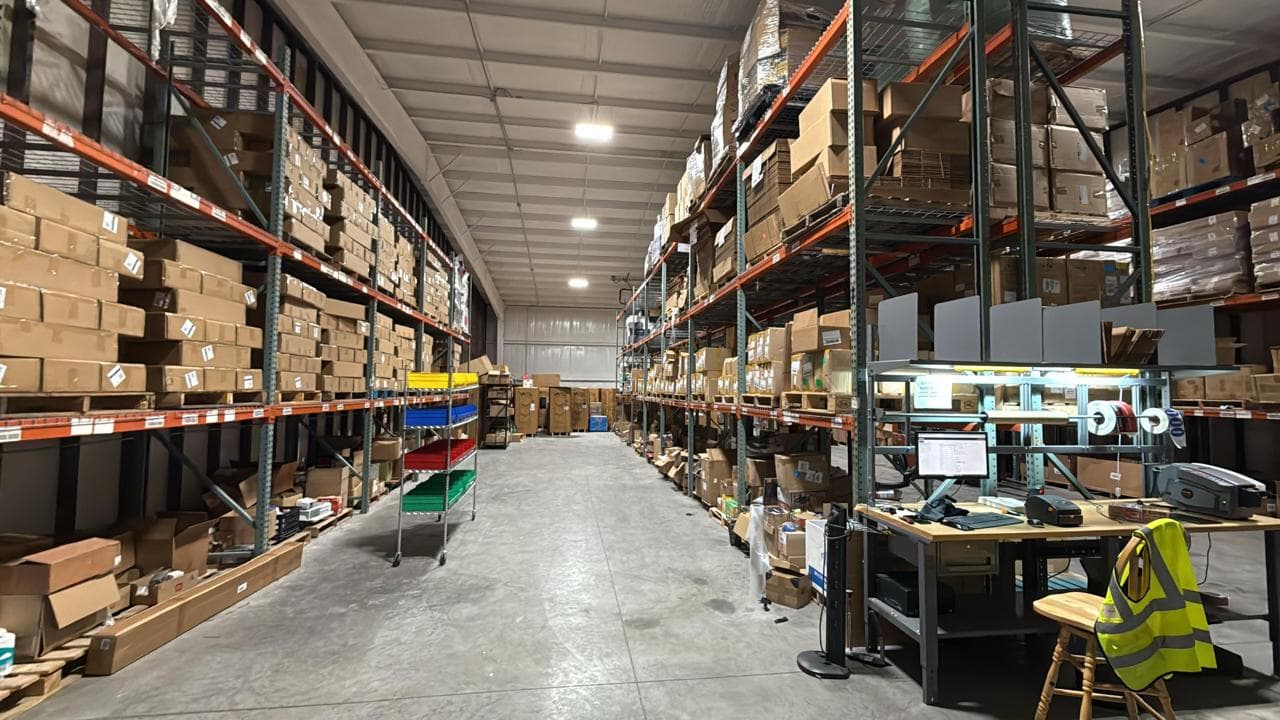
Retail fulfillment at RitePrep runs through the same Austin warehouse as your direct-to-consumer orders, so your inventory stays in one place no matter who the order is going to.
Map Your Retailer Requirements
Before your first purchase order ships, we review your retailers' routing guides and EDI requirements so we know the carton specs, label format, and delivery windows we are prepping against.
Send Your Inventory to Our Austin Warehouse
Your products ship to our facility and get received, counted, and staged, with lot and expiration data logged for any CPG items that need it.
We Prep Every Order to Spec
When a purchase order comes in, we case pack and palletize to the retailer's exact standard, apply GS1 and UCC-128 labels, and stage the shipment for pickup.
Your Purchase Order Ships Compliantly
We book the delivery appointment, route the freight, and send the advance shipping notice, so the order lands inside the retailer's required window instead of getting bounced back.
Why CPG and DTC Brands Choose RitePrep for Retail Fulfillment
RitePrep has run fulfillment out of its Austin, Texas, warehouse since 2020, and retail orders move through the same building as direct-to-consumer and Amazon FBA shipments, so you are never managing retail pallets and Amazon orders side by side across separate systems. That single-facility setup means your inventory count stays accurate no matter which channel the order is headed to.
RitePrep's pick accuracy runs at 99.9 percent, which matters more on a retail order than almost anywhere else. A wrong pick on a wholesale case pack does not just mean one unhappy customer; it means a chargeback and a flagged vendor scorecard.
RitePrep also runs lot tracking and first-expired-first-out picking as standard practice for brands handling lot codes and expiration dates, not as an add-on. That matters for retail buyers in food, beverage, supplement, and personal care categories, where a missed expiration date is a compliance problem, not just an inconvenience.

What's Included in Our Retail Fulfillment Service
Retail fulfillment through RitePrep covers everything between your inventory arriving at our warehouse and your purchase order landing and being accepted at the retailer's dock. The purchase orders you send your own suppliers to restock run in the other direction, and we cover them under purchase order management.
EDI order processing
We receive electronic purchase orders and send compliant advance shipping notices so your retail partners get the data they require.
Routing guide compliance
Every order is prepped against that specific retailer's routing guide, from carton specs to carrier selection.
GS1 and UCC-128 labeling
Correct shipping and carton labels go on every case so it scans cleanly at the retailer's receiving dock.
Palletizing and case packing
Products are case packed and palletized to retailer standards for safe, compliant delivery.
Carrier routing and appointment scheduling
We book the delivery appointment and route freight to hit the retailer's required window.
Who This Service Is Built For
RitePrep's retail fulfillment service fits brands making the jump from selling direct to selling through retail partners.
- CPG brands landing their first big-box or grocery account
- DTC brands expanding from their own site into wholesale and retail channels
- Brands already facing chargebacks from missed routing guide rules
- Sellers with wholesale orders that need pallets and EDI accuracy
- Brands still shipping direct to shoppers alongside retail orders, all from one warehouse
Frequently Asked Questions
Retail fulfillment is the process of receiving, preparing, and shipping bulk purchase orders to retail partners rather than to individual shoppers. It covers case packing, pallet configuration, compliant labeling, and delivery scheduled inside the retailer's required window.
Get Started With Retail Fulfillment Today
Chargebacks and routing guide errors are margins you already earned and then lost. Let RitePrep's Austin, Texas team ship your retail purchase orders compliant, on pallet, and on time so your next vendor scorecard looks the way it should.