
What Ecommerce Fulfillment Services Include, End to End
Fulfillment services are the warehouse side of an online store: taking your inventory in, holding it, counting it, then picking, packing and shipping every order that comes through, and receiving what comes back. This page walks the whole chain stage by stage, shows where the handoffs sit, and flags what tends to be quoted separately. RitePrep does the work from one warehouse in Austin, Texas.
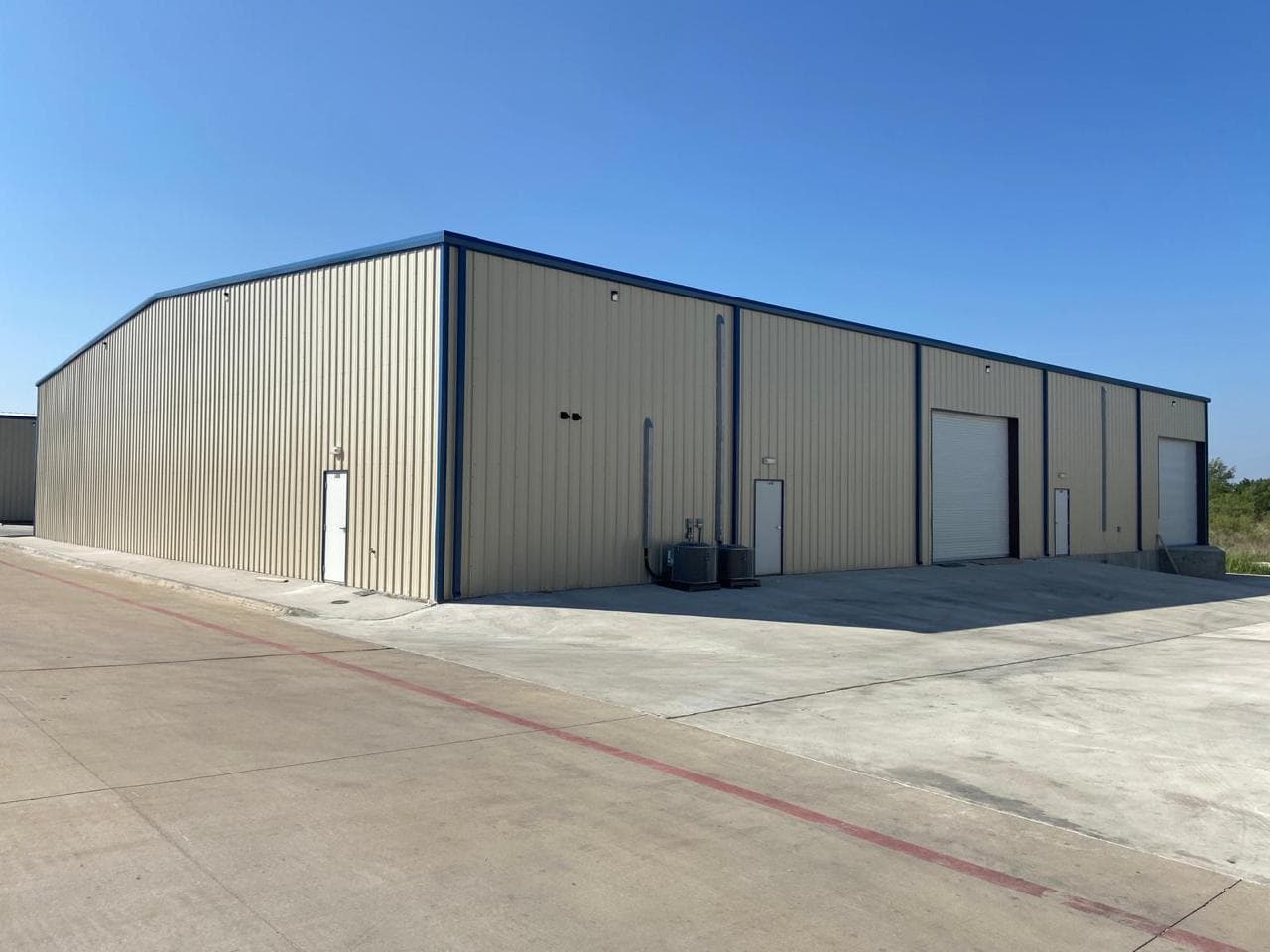
What Are Fulfillment Services?
Fulfillment services are the warehouse operations a business outsources to get orders to customers: receiving inbound inventory, storing it, tracking stock counts, picking the items on each order, packing them, buying postage and shipping, and processing returns. A provider supplies the building, the labor and the carrier accounts, while the brand keeps ownership of the goods.
The phrase covers a range of arrangements rather than one product. Some providers sell the whole chain as a single service. Others sell parts of it: storage on its own, prep and labeling on its own, or picking and packing for stock that is already in the building. Two quotes with the same heading can therefore describe quite different amounts of work.
The core steps do not change with the channel. A Shopify order, a marketplace order and a wholesale purchase order all run through receive, store, count, pick, pack, ship. What changes is the unit an order is packed in, the labeling it carries, and how much of the process your own team still touches.
What Is Included in Fulfillment Services?
The standard scope is inbound receiving and check-in, storage, an inventory count that syncs back to your sales channels, order picking, packing with the right materials, buying and applying the shipping label, the carrier handoff, tracking pushed back to your store, and receiving returns.
Work that sits outside that standard scope is usually quoted as its own line: kitting units into bundles, applying retail or barcode labels, Amazon inbound prep, custom inserts and branded packaging, photography or inspection on receipt, reworking product that arrived wrong, and inspecting and restocking returns rather than just accepting them. None of these are unusual requests. They are just not part of what a plain per-order fee covers, which is the most common source of a surprise on a first invoice.
What Is an Ecommerce Fulfillment Company?
An ecommerce fulfillment company is a third-party logistics provider that specializes in shipping single orders to shoppers rather than pallets to businesses. In practice that means inventory slotted for retrieval speed instead of dense storage, packing stations and label printers on the floor, and a system that reads orders from a connected store or marketplace instead of from a purchase order.
RitePrep operates one warehouse, in Austin, Texas. Every order we ship leaves from that building, and the same inventory pool feeds direct-to-consumer, marketplace and wholesale orders, so one stock count serves every channel you sell on.
Fulfillment Services vs Doing It Yourself
Self-fulfilling is often the cheaper option and stays that way longer than people expect. If your volume is modest and steady, you already have the space, and packing is not crowding out product or marketing work, there is usually no case for moving.
The usual triggers for outsourcing are running out of room, packing hours taking over the week, error rates climbing with volume, a peak season that would otherwise need seasonal hires, or a second sales channel making one accurate stock count impossible to keep by hand. If you want to model the cost before you move, the 3PL pricing guide linked further down this page breaks the fee structure apart line by line.
The Stages of Order Fulfillment, End to End
Fulfillment is not one job, it is seven, and a quote can cover all of them or only some. This is what each stage does, where the responsibility changes hands, and what it costs you when that stage slips.
| Stage | What happens | Where the handoff sits | What it costs when it slips |
|---|---|---|---|
| Receiving | Inbound freight arrives, gets counted and inspected, and is checked in. | You or your supplier book the delivery; the warehouse counts it in. | Stock not yet checked in cannot be sold, so listings sit unavailable. |
| Storage | Units are slotted into bins, shelves or pallet positions and recorded. | You decide what to send; the warehouse decides where it sits. | Slotted badly, a fast SKU sits far from the pack bench all year. |
| Inventory counts | Stock is tracked per SKU and synced back to each sales channel. | The warehouse counts; your storefront reads the number. | A stale count oversells a SKU and turns into cancellations. |
| Picking | The items on each order are pulled from their locations in sequence. | Orders arrive from your store; the warehouse picks them. | A mispick costs twice: return freight, then a replacement shipment. |
| Packing | Items are verified against the order, protected, boxed and labeled. | The warehouse packs; you set the materials and insert rules. | An underpacked box arrives damaged; an oversized one ships air. |
| Shipping | Postage is bought, the parcel is tendered, and tracking syncs back. | The warehouse buys and applies the label; the carrier delivers. | The wrong service level means a late delivery and a support ticket. |
| Returns | Returned units come back, are inspected, then restocked or set aside. | Your policy decides the outcome; the warehouse does the inspection. | Returns left unprocessed are stock you own but cannot sell. |
Most providers price these stages separately rather than as one bundled rate, so compare the whole list instead of the line that looks cheapest. The useful question to ask a provider is which of the seven a quote leaves out.
Where In-House Ecommerce Fulfillment Breaks
Self-fulfilling works at the start. Growth is exactly what makes it fall apart, and it usually breaks in the same few places.
Orders outpace you: shipping from home or a small space stops scaling the moment volume jumps.
Shipping gets slow and expensive: without a central origin and carrier accounts, delivery cost eats the margin.
Inventory gets messy: selling on more than one channel without synced stock leads to overselling and cancellations.
Returns pile up: unprocessed returns are inventory you have paid for and cannot sell.
What Our Ecommerce Fulfillment Services Cover
The seven stages above, run from one building, so your store keeps selling while the warehouse work happens behind it.
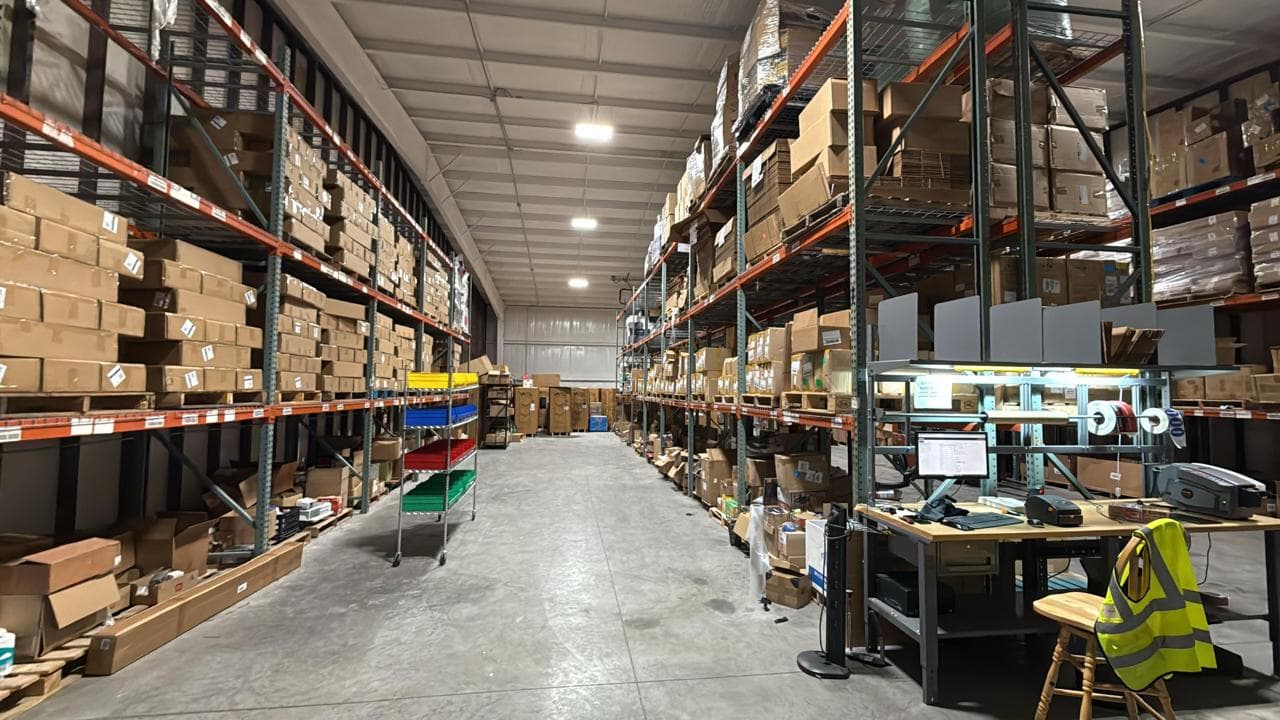
Store and Channel Integration
Your Shopify store and other sales channels connect to our system so orders route in automatically, with no manual entry.
Receiving and Inventory Storage
Products are checked in, slotted and stored in our Austin, Texas warehouse, with stock counts synced back to your channels. More on how that works in warehousing and storage.
Pick and Pack
Each order is picked, verified against the order at the pack station, and packed for shipment. The pick and pack page covers the picking methods and how they differ.
Nationwide Shipping
Our central Texas location keeps ground transit times and shipping costs down for delivery across most of the country. The shipping zones from Austin page compares the zone to each major metro against coastal origins.
Returns Handling
Returns come back to the same warehouse, get inspected, and are restocked or set aside to your policy. See returns management for how the process runs.
Fulfillment is the umbrella. Underneath it, the same Austin inventory pool feeds DTC orders and wholesale orders, with kitting when units ship as a bundle rather than loose. If you are still working out whether the numbers make sense, read our 3PL pricing guide and, if you are early, the guide to 3PL for small business. For the decision itself, see how to choose a 3PL.
How Our Fulfillment Service Works
Calculate Price
Use our pricing tool or request a quote built around your real order volume.
Connect Your Store
We link your Shopify or other sales channels to our system so orders route in on their own.
Send Your Inventory
Ship your products to our Austin, TX warehouse.
We Receive and Slot
Inventory is counted, checked in, and stored in locations chosen for picking speed.
Orders Sync Automatically
New orders flow from your store straight to our warehouse floor.
We Pick, Pack, and Ship
Each order is fulfilled and shipped, with tracking synced back to your store.
Who Our Fulfillment Services Are Built For
Our ecommerce fulfillment fits online brands ready to stop shipping orders themselves.
How to Compare Fulfillment Service Providers
Price is the easiest thing to compare and the least useful on its own, because two quotes rarely cover the same seven stages. These are the questions that separate them:
Ask all six of every provider on your list and compare the answers rather than the rate cards. Our answer to the third one is the same every time: one warehouse, in Austin, Texas. For the wider selection process, including accuracy, onboarding and running a test batch first, the how to choose a 3PL guide goes further than this section does.
One Warehouse, in Austin, Texas
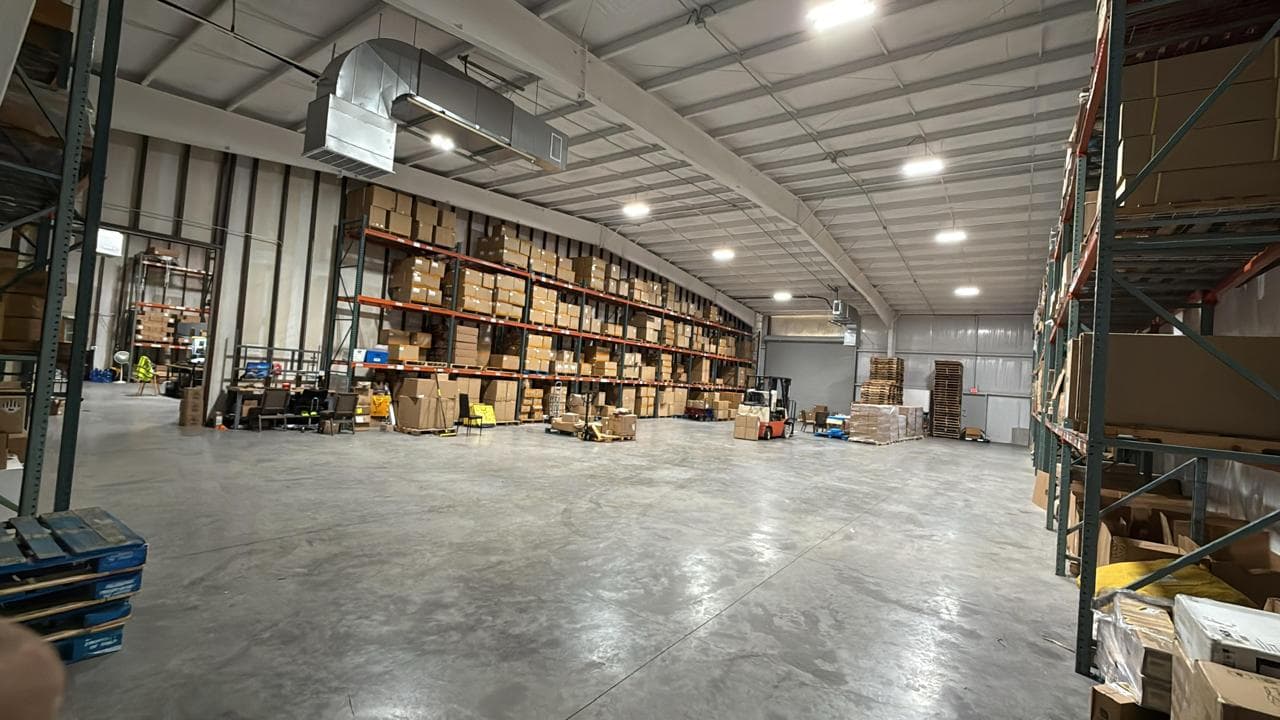
RitePrep operates a single warehouse in Austin, not a network of sites or subcontractors. Every order we ship leaves from that building, which is why we can tell you where your inventory is without checking.
Questions, answered
Fulfillment services are the warehouse operations a business outsources to get orders to customers: receiving inbound inventory, storing it, tracking stock counts, picking the items on each order, packing them, buying postage and shipping, and processing returns. The provider supplies the building, the labor and the carrier accounts, and the brand keeps ownership of the goods.
Get Started With Ecommerce Fulfillment
Stop packing orders yourself. Let our Austin, TX team run all seven stages so you can focus on growing your store.