Returns Management, Explained
A return is not finished when the customer drops the parcel off. Someone still has to receive it, match it to the order, inspect it, and decide where the unit goes next. This page covers the returns process step by step, how the disposition options compare, and what a returns management service actually does. RitePrep runs that work from one warehouse in Austin, Texas.
What Is Returns Management?
Returns management is the process a seller uses to handle products that customers send back. It covers the return request and authorization, transport back to a warehouse, inspection and grading of each item, and the disposition decision that sends the unit to resale, refurbishment, liquidation, the vendor, or disposal.
It is fulfillment running backwards, and it is harder than it sounds. An outbound order is predictable: you know the SKU, the quantity, and the box before anyone touches it. An inbound return is unknown until it is opened. The unit might be pristine, might be missing a part, might be the wrong item entirely, and until someone looks, it cannot be counted, refunded against, or resold.
That uncertainty is why returns pile up. Boxes sit unopened because nobody has time to judge them one by one, inventory counts drift away from reality, and the customer waits on a refund that is gated behind an inspection nobody has done. The fix is not effort, it is a written rule for each outcome so the person holding the item does not have to make a commercial decision on the spot.
What Is Reverse Logistics?
Reverse logistics is the movement of goods back up the supply chain, from the customer toward the seller, the warehouse, or the supplier. Customer returns are the part most ecommerce brands deal with, but the term also covers recalls, warranty repairs, packaging and pallet recovery, end-of-life takeback, and pulling unsold stock back out of a retail channel.
In everyday use the two phrases are treated as the same thing. If you are comparing providers, reverse logistics is the term that shows up in enterprise and manufacturing contexts, while returns management is the term ecommerce brands use for the same day-to-day work.
The Returns Management Process, Step by Step
The process runs in a fixed order. The customer requests a return and gets an authorization, usually an RMA number that ties the parcel to the original order. A label is issued and the parcel travels back. The warehouse receives it, scans it against that order, and opens it. Each unit is inspected and graded against condition rules you set in advance.
The grade selects the disposition: back to sellable stock, into an open-box or B-stock pool, out to a liquidator, back to the vendor, or into disposal. The refund or exchange is released, the inventory record is corrected on every channel, and the reason for the return is logged. That last step is the one most often skipped, and it is the only one that prevents the same return happening again.
Returns Software and Returns Handling Are Two Different Purchases
A returns portal handles the customer-facing half: the return request, the policy rules, the reason codes, the return label, and the status emails. It is what your shopper sees, and it is genuinely useful, because a self-serve portal removes the support ticket that otherwise starts every return.
None of that opens the box. Someone still has to receive the parcel, inspect the unit, grade it, act on the grade, and correct the count. That is warehouse work, and it is what a 3PL is doing when it quotes returns management. Most brands end up with both: a portal at the front, a warehouse at the back, and an agreed set of rules connecting them.
What Happens to a Returned Unit: Disposition Options Compared
Every returned item ends up in one of a handful of places. This is the decision behind the word disposition, and setting the rule for each outcome in advance is what keeps returns moving instead of stacking up on a shelf.
| Disposition | What triggers it | What happens to the unit | What you recover |
|---|---|---|---|
| Restock as new | Item comes back unopened and undamaged, with all parts and packaging intact. | Re-labeled if needed and returned to the sellable pick location. | The full sale price next time the unit sells, less the cost of handling the return. |
| Repackage or refurbish | Product is sound but retail packaging is opened, crushed, or missing. | Cleaned, re-boxed or re-bagged, then graded back into sellable stock. | Most of the sale value, less the labor and new packaging. |
| Sell as open-box | Item works and shows use, so it cannot honestly be sold as new. | Held in a separate open-box or B-stock location under its own SKU. | A discounted sale price rather than full list. |
| Liquidate in bulk | Too much graded-down stock to be worth selling one unit at a time. | Sorted by grade and palletized, then sold on to a bulk buyer you have lined up. | A fraction of retail value, plus the storage space back. |
| Return to vendor | Fault sits with the supplier, or your terms allow sending unsold stock back. | Consolidated and shipped back against the vendor's authorization. | A credit or a replacement, depending on your supplier terms. |
| Recycle or dispose | Item is unsafe, expired, or costs more to process than it can be sold for. | Removed from inventory and disposed of under your written rules. | No revenue, but a clean count and the shelf space back. |
Which rule applies to which grade is a commercial decision, and it belongs to you rather than to the warehouse. RitePrep grades each unit and executes the rule you set. Liquidation channels and vendor credit terms are arrangements you hold directly with the buyer or the supplier.
Why Returns Quietly Cost You Money
An unmanaged returns process is a slow leak. The costs hide until they add up.
Sellable stock sitting idle: returned items that are not inspected and restocked fast are lost revenue sitting in a box.
Inventory counts drift: returns that are not logged properly make your stock numbers wrong across every channel.
Slow resolution: customers who wait too long for a refund or exchange do not come back.
No reason data: without a logged reason code per return, you cannot tell a sizing problem from a packaging problem from a listing problem.
What's Included in Our Returns Management
We turn returns from a backlog into a fast, trackable workflow.
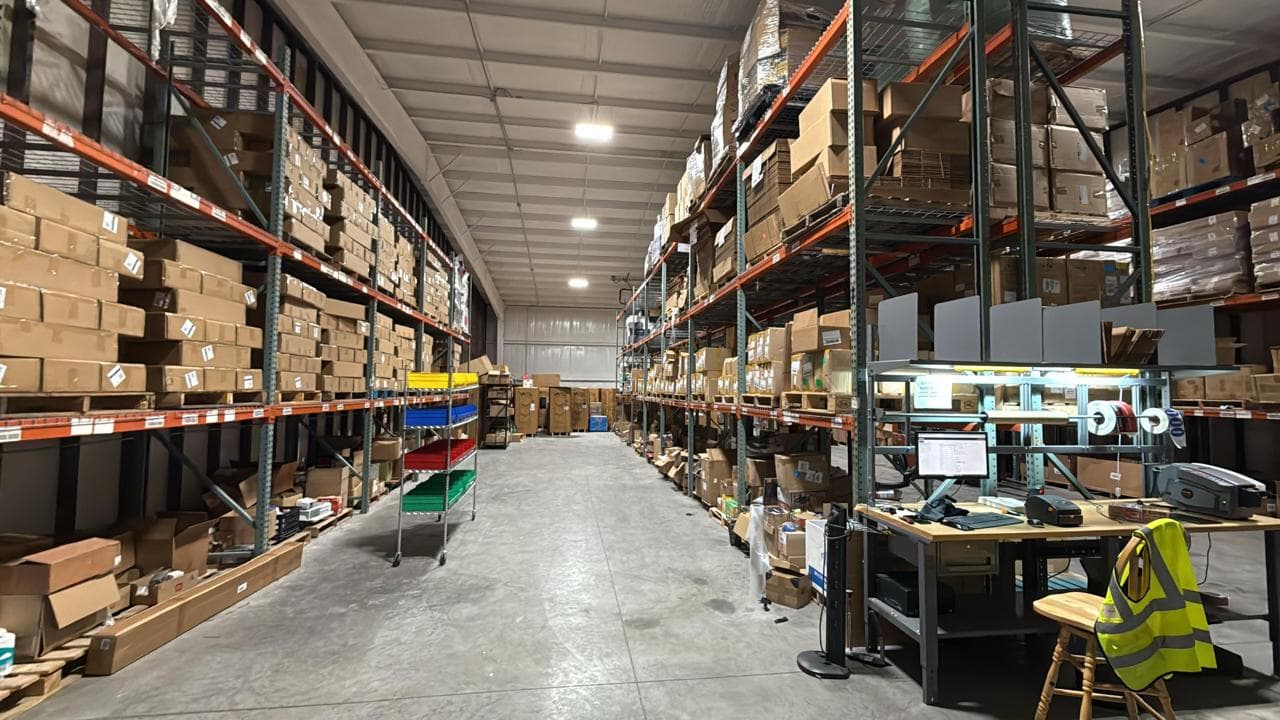
Returns Intake
Returned packages are received and logged against the original order so nothing gets lost.
Inspection and Grading
Each item is checked and graded to decide whether it is sellable, needs repackaging, or should be removed.
Restock to Sellable Inventory
Items in good condition go straight back into stock so they can sell again quickly.
Disposition by Your Rules
Graded-down units are routed the way you decided in advance, so nobody has to make a judgment call at the bench.
Disposal and Write-Off Handling
Items that cannot be resold are handled per your rules, keeping your inventory clean.
Returns Reporting
You get visibility into what is coming back and why, so you can spot product issues early.
Returns only stay clean if the outbound side is clean too. The same Austin inventory pool feeds DTC and Shopify orders through pick and pack, and every restock writes back to the same inventory record. Every return that arrives cleanly starts with an RMA. If you are still comparing providers, our 3PL pricing guide covers how returns fees usually sit alongside the rest.
How Our Returns Process Works
Set the Rules
We agree on how returns should be graded, restocked, or disposed of, before the first parcel arrives.
Customer Returns It
The returned package arrives at our Austin, TX warehouse.
We Receive and Log
The return is matched to the original order and entered into our system.
We Inspect and Grade
Our team checks condition and applies the grade your rules call for.
Restock or Dispose
Sellable items go back into inventory, the rest are handled per your rules.
You Stay Informed
Returns data updates your inventory and reporting automatically.
Who Our Returns Management Is Built For
Our returns management fits brands where returns have outgrown a manual process.
Questions, answered
Returns management is the process of handling products customers send back, from authorizing the return and receiving the parcel to inspecting and grading the item and deciding whether it gets restocked, repackaged, liquidated, sent back to the vendor, or disposed of. It sits inside the wider category of reverse logistics.
Get Started With Returns Management Today
Stop letting returns pile up and drain your margin. Let our Austin, TX team turn returns into recovered value and happier customers.