Are FBA prep rejections, overselling, and rising shipping costs holding your CPG brand back, and could purpose-built CPG fulfillment be the fix? Don’t worry! In this guide, you will learn about CPG fulfillment challenges, why it is the best choice, and how it is different from standard eCommerce 3PL. You can strengthen your brand through these insights.
Consumer Packaged Goods (CPG) are everyday products consumers buy and use frequently, such as food, beverages, household items, supplements, cosmetics, and other goods with a short shelf‑life or fast turnover.
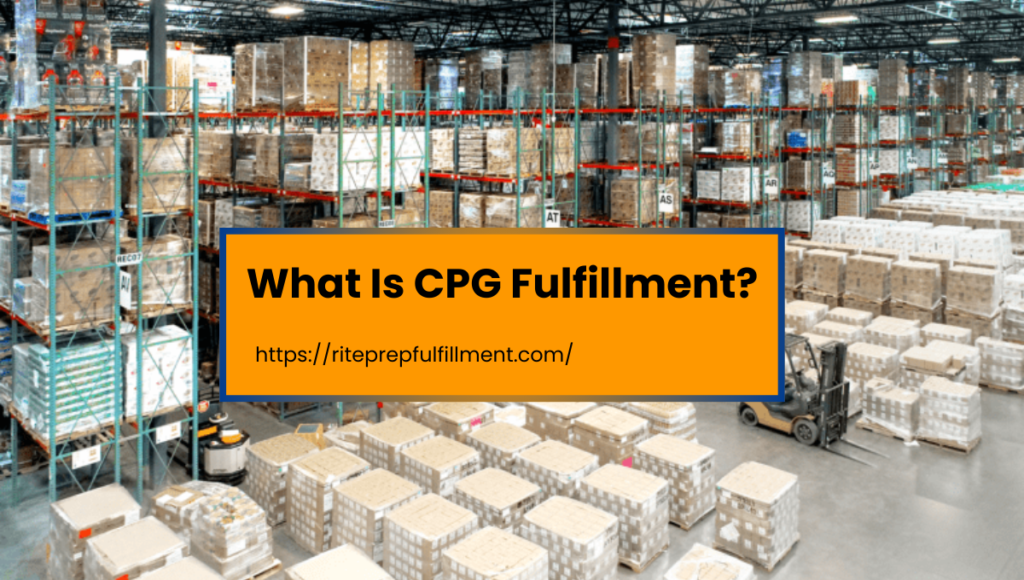
What is CPG Fulfillment?
CPG fulfillment refers to third‑party logistics (3PL) services tailored to these products. In practice, it means outsourcing all warehousing, pick/pack/ship, and returns for your CPG brand to a specialist provider. A true CPG fulfillment 3PL will handle high‑volume, fast‑selling inventory and ensure every order is packed, labeled, and shipped to meet strict retailer or marketplace standards.
CPG fulfillment services typically include inventory management with real‑time tracking, warehouse storage (often climate‑ or temperature‑controlled), order picking/packing, customized packaging or kitting, multi‑channel shipping, and returns processing. Unlike general 3PLs, CPG‑focused providers understand the low‑margin/high‑velocity nature of consumer goods. They specialize in brand protection (using correct labels, packing, and inserts), strict inventory control (to prevent overselling or waste), and compliance (lot tracking, expiration management, and retailer EDI rules).
As one logistics guide notes, a dedicated CPG fulfillment partner helps CPG brands keep shelves stocked and customers happy by managing the fast pace and complex requirements of CPG orders. In short, CPG fulfillment = the art and science of delivering high‑turnover, perishable, or brand‑sensitive goods, handled by a 3PL built for these challenges. Partnering with such a specialist is often the difference between scaling successfully and struggling to keep up for CPG brands.
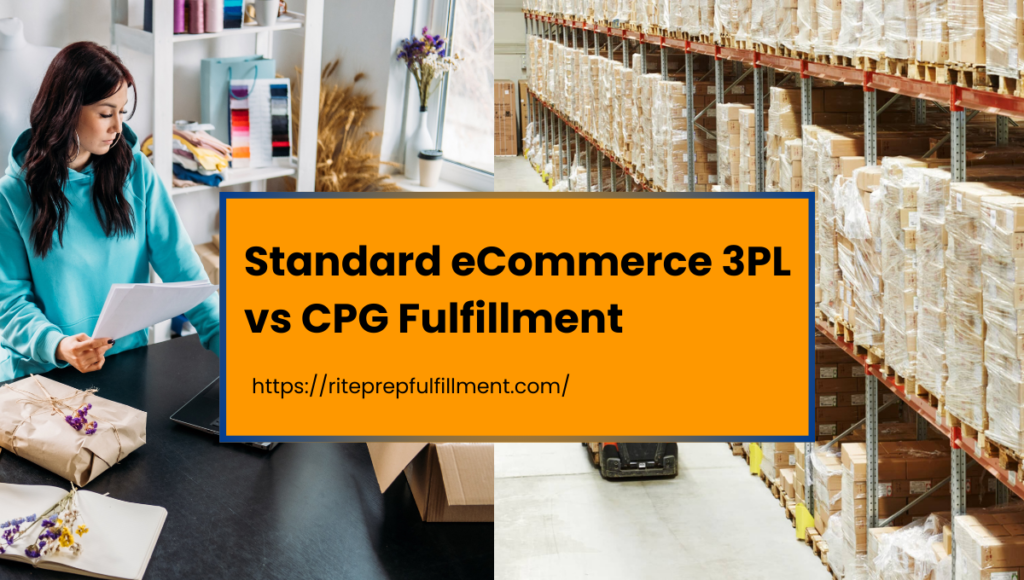
Standard eCommerce 3PL vs. CPG Fulfillment
A standard e-commerce 3PL typically offers basic warehousing and pick/pack/ship services to online retailers. They handle inventory storage, order processing, carrier bookings, and returns in a generally one‑size‑fits‑all way. This model works well for many general merchandise businesses (clothing, electronics, books, etc.) that can use off‑the‑shelf packaging and have stable demand patterns.
Key Differences in CPG: CPG fulfillment requires extra layers that generic 3PLs often lack. For example:
1) Flexible Warehousing & Temperature Control
Traditional 3PLs may not have the specialized facilities needed for CPG. Many consumer products (food, dairy, beverages, cosmetics) need humidity or temperature‑controlled storage to stay fresh. By contrast, a CPG‑specialized partner like Rite offers secure, climate‑conscious warehouses built specifically for food, cosmetics, and CPG goods. They also enforce strict inventory rotation (first‑in/first‑out) and damage prevention measures that protect shelf life and quality.
2) Advanced Technology & Integration
Modern CPG brands sell everywhere (their own site, Amazon, Walmart, etc.), so order and inventory data must sync seamlessly. A standard 3PL’s legacy systems may not support real‑time multi‑channel integration or advanced analytics. CPG‑focused 3PLs invest in up‑to‑date WMS/ERP platforms and APIs. For instance, Rite provides seamless integration with platforms like Shopify, Amazon, eBay, and others to automate DTC and marketplace orders. This ensures inventory stays accurate across channels and reduces overselling.
3) Amazon FBA/FBM Expertise
Many CPG brands sell through Amazon. A general 3PL might not be certified to do FBA/FBM prep, leading to compliance rejections. In contrast, CPG specialists are Amazon‑certified: they perform all required labeling, bundling, polybagging, and shipping tasks per Amazon’s rules. For example, Rite Prep is certified to handle FBA and FBM requirements on behalf of clients. This expertise avoids costly FBA returns or delays.
4) Retail & B2B Fulfillment
CPG brands often sell wholesale or to brick‑and‑mortar stores. Generic e‑commerce 3PLs focus on DTC boxes, but may stumble on pallets or EDI orders. A dedicated CPG 3PL can pick, pack, and ship to big retailers or distributors, meeting each retailer’s labeling and routing standards. One guide recommends choosing a partner that can handle retail and B2B shipping even if you only ship DTC now.
5) Customized Packaging & Value‑Adds
Retailers and brands often require custom packaging, bundles, or kitting, e.g., subscription boxes, gift sets. A standard 3PL usually has basic box‑and‑tape processes, whereas CPG 3PLs offer in‑warehouse assembly and branding services. For example, Rite’s fulfillment centers support adding inserts, custom kits, or eco‑friendly packaging to reinforce brand image. Custom labeling and gift‑ready packaging are common value‑added services for CPG that general 3PLs might charge extra for or not offer at all.
6) Compliance & Traceability
Consumer goods often require lot/batch tracking, expiration date monitoring, and handling of regulated items (dietary supplements, alcohol, etc.). CPG specialists maintain systems to trace every SKU and meet regulations, whereas a generic 3PL may not. As one logistics resource explains, CPG fulfillment often includes … lot tracking & expiration management to ensure compliance and easy recall if needed.
7) Speed & Accuracy
Modern consumers expect fast shipping. CPG 3PLs aim for high accuracy and quick turnarounds (same‑day pick/pack, multi‑warehouse 2‑day service) to meet these expectations. Traditional 3PLs may not guarantee high service levels. For example, Rite maintains 99%+ accuracy and has multiple US facilities, so even 2‑day delivery is feasible nationwide.
In summary, a standard e‑commerce 3PL offers the basic logistics puzzle pieces. A CPG‑oriented 3PL, by contrast, adds crucial CPG‑specific layers: cold‑chain warehousing, retail/B2B dispatch, custom packaging, compliance, and retailer integration. The result is faster, more reliable fulfillment for brands whose products demand those services. According to industry comparisons, many legacy 3PLs operate on a one‑size‑fits‑all model and lack the flexibility, tech, and packaging customization modern CPG brands need.
Choosing a CPG‑Focused 3PL: A Checklist
To evaluate any 3PL for your CPG brand, ask whether they can handle your product’s special needs. A quick checklist:
1) Product Expertise
Do they work with products like yours? (Food, supplements, beauty, etc.) Can they store them safely? e.g., secure/palletized for fragile jars, or cooled for perishables.
2) Integration & Scalability
Can they integrate with all your sales channels (Shopify, Amazon, Walmart, etc.) for real‑time syncing? Do they have multiple warehouse locations or a large site that can scale up during spikes?
3) Inventory Accuracy
Do they offer advanced WMS/WCS tech with live reporting and automated stock tracking? Are they equipped for lot tracking, FIFO, and QC inspections?
4) Packaging & Branding
Can they support your brand’s packaging requirements? For example, do they offer custom kitting, inserts, sustainable/printed packaging materials? (A good CPG 3PL handles custom packaging…to reinforce brand image.)
5) Amazon Retail Compliance
Are they certified for Amazon FBA prep and in‑warehouse FBM fulfillment? Can they meet Walmart/Target/FedEx EDI and routing guide requirements if you sell retail?
6) B2B & Returns
Do they handle wholesale pallets and retailer LTL shipments? Can they process returns (inspecting and restocking vs disposing) while keeping data clear? The ideal CPG 3PL offers retail & B2B fulfillment and efficient returns processing.
7) Pricing & Transparency
Is their pricing clear and variable (pay-per-order) rather than hidden fees? Do they work with your volume and not lock you into a big contract? A top provider offers straightforward, per-order pricing with no hidden fees and free quotes.
8) Support & Partnership
Do they assign a dedicated account manager who understands CPG? Are their support teams (in‑warehouse or US‑based) quick to respond? CPG brands should expect an on-site account manager and 24/7 support to avoid delays.
If a 3PL checks these boxes, you’ll avoid many common pitfalls. In contrast, a generic partner might excel at shipping rate negotiation but leave your perishables warm in summer, or fail to prevent brand‑breaking packaging errors.
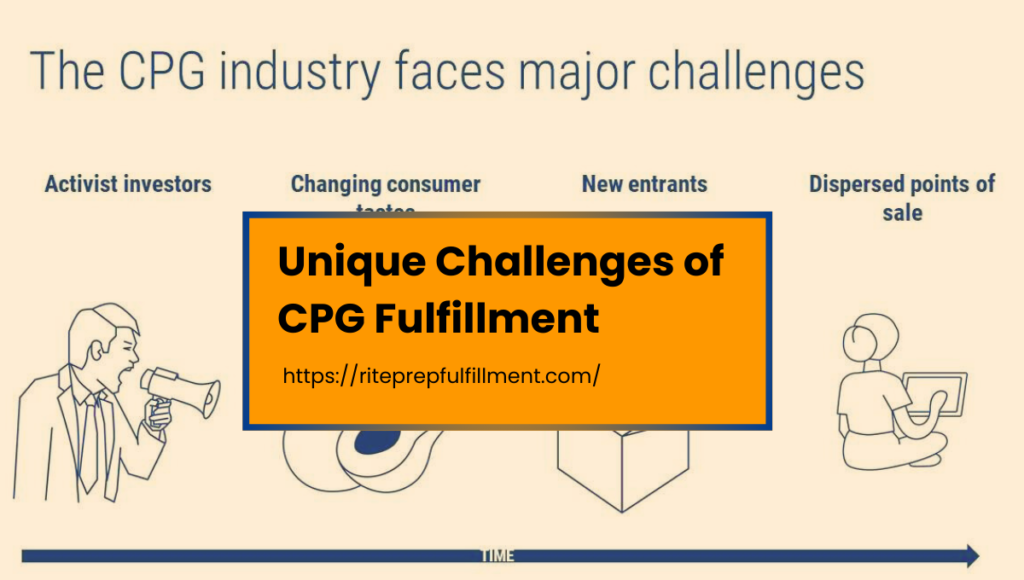
Unique Challenges of CPG Fulfillment
Fulfilling CPG orders is far more complex than standard e-commerce logistics. CPG brands face tight margins and fierce competition, so every cost and delay matters. Here are the big challenges that set CPG fulfillment apart:
1) High Inventory Turnover
CPG products sell fast, and stock levels change rapidly. Simple demand spikes (seasonal or viral) can cause stockouts overnight. A 3PL must have real‑time inventory tracking and automated replenishment to avoid lost sales. Any miscount or delay means empty shelves and angry customers.
2) Complex Supply Chain
CPG often involves many parties, multiple suppliers, co‑packers, distributors, and retailers. Coordinating this web requires a 3PL that can plug into existing workflows. As one analyst notes, CPG brands typically have multiple suppliers, manufacturers, distributors, and retailers involved and need a 3PL that slips seamlessly into the larger workflow without creating extra hurdles.
3) Stringent Quality & Handling
Consistency is critical. Unlike bulky electronics or one‑off items, CPG products demand uniform quality. This means rigorous quality control and damage prevention. Top 3PLs for CPG often offer inbound inspection and QC services to catch defective or mislabeled items before they ship. One industry blog advises finding a partner who provides quality control and inventory inspection services.
4) Regulatory & Retail Compliance
Many CPG categories are regulated (food, cosmetics, supplements, etc.) and sold through big retailers (Walmart, Target, Amazon). This creates extra steps: proper lot/expiry tracking, EDI/EDI 850 compliance, custom inserts or labeling rules. A generic e‑commerce 3PL often isn’t set up for these. In contrast, a CPG‑centric provider will already support retailer and marketplace compliance to avoid chargebacks.
5) Custom Branding & Packaging
CPG brands rely on packaging for brand image and value. They need a 3PL that handles custom boxes, gift bundles, shelf‑ready kits, or sustainability requirements. As one guide emphasizes, a CPG 3PL must have the ability to handle custom packaging and inserts. A generic 3PL might simply throw items in plain boxes, eroding your brand.
6) Tight Margins & Cost Pressure
CPG products often have slim profit margins, so logistics must be cost‑efficient. Rising shipping costs can destroy profit margins if not managed. Brands need a fulfillment partner that negotiates volume carrier rates and optimizes packaging to cut shipping spend. The 3PL should offer transparent, pay‑per‑order pricing so there are no surprises.
7) Rapid Scaling Need
Popular CPG brands can go viral quickly. A CPG 3PL must be able to flex for sudden surges (holiday seasons, promotions) and then scale down smoothly. In-house teams or one‑man ops often buckle under sudden volume, whereas a specialized 3PL has scalable labor, warehouse space, and tech to adapt in real time.
8) Returns & Reverse Logistics
Though many CPG sales are consumables, returns still happen due to wrong products, defects, etc. Handling high return volumes efficiently without eating margin is essential. A good CPG 3PL provides branded returns labels, quick QC on returns, and manages resale or disposal. This closes the loop and protects both the customer experience and the bottom line.
In short, CPG fulfillment demands speed, precision, and flexibility. It requires managing rapid product turns and special requirements (like cold storage or fragile bottles) that a standard 3PL might overlook. Successful CPG brands often outsource to specialists who live and breathe consumer goods logistics to avoid the missteps that kill margins and customer trust.
How Rite Fulfillment Solves CPG Challenges
Rite Prep Fulfillment was built to address exactly these CPG‑specific needs. Rite is dedicated to CPG Fulfillment, offering an end‑to‑end ecosystem for consumer goods brands. Here’s how Rite lines up with the checklist above:
1) CPG‑Grade Warehousing
Rite’s U.S. facilities are food‑ and cosmetics‑friendly. They offer temperature‑controlled storage and strict inventory handling procedures to keep high‑turn and perishable goods in perfect condition. This protects your shelf life and brand reputation.
2) Amazon Prep & Multi‑Channel Integration
Rite is certified for Amazon FBA and FBM prep, performing all required labeling, bundling, and compliance checks. At the same time, Rite seamlessly syncs with Shopify, Amazon, eBay, and other channels. You can automate order flow from any platform, so inventory across all channels stays accurate.
3) Scalable Fulfillment Infrastructure
Rite’s warehouses and systems are built for growth. They use advanced warehouse management software (with features like batch/expiry tracking) and have multiple fulfillment sites to shorten transit times. Whether you’re launching a new product or facing peak demand, Rite flexes to handle the volume without glitches.
4) Customized Services
Beyond the basics, Rite provides kitting, customized packaging, polybagging, and bundling, all in‑house. You can add gift inserts or special labels at no extra hassle. The team is experienced with CPG branding, so even high‑touch jobs (subscription boxes, gift packs) stay on brand.
5) Transparent Pricing & Service
Rite offers straightforward per‑order rates and no hidden charges, making budgeting easy. You also get a dedicated account manager. Rite’s support teams are U.S.-based and known for fast communication to prevent errors or delays.
By focusing exclusively on CPG and Amazon-centric fulfillment, Rite eliminates the common headaches for growing brands. Instead of a generalist partner, you get fast, accurate fulfillment…designed to protect your goods and support your growth.
Ready to level up your CPG fulfillment? Calculate Your Order Price or Request a Custom Quote with Rite today.
If you’re a CPG brand finding that generic 3PLs can’t keep up, it’s time to rethink your logistics. Use this guide’s checklist to evaluate partners. Start by asking candidates how they handle your specific products, from shelf life and packaging to carrier choices and platform integrations.
For example, many brands discover that outsourcing to a CPG‑focused 3PL reduces errors and stockouts. As one industry resource puts it, the right 3PL boosts speed, accuracy, and reduces costs by keeping inventory moving and meeting retailer standards. Working with a specialist means you tap into their expertise and technology, rather than shouldering logistics in-house.
Next, review your options: Check out Rite Fulfillment’s services (Amazon FBA Prep, FBM fulfillment, DTC and B2B logistics, temperature‑controlled warehousing, inventory management, shipping optimization, and returns handling). These are all geared to keep your CPG brand growing smoothly.
By choosing a partner built for CPG, you free yourself to focus on product and marketing, not packaging mistakes or delivery delays. With the right specialized 3PL, your fulfillment becomes a competitive advantage, not a bottleneck.
FAQs
What is Consumer Packaged Goods (CPG) fulfillment?
CPG Fulfillment includes high-turnover products that consumers buy and use in daily life. For example, food, beverages, household goods, supplements, beauty, and other goods with short shelf‑life or fast turnover.
Who are the best CPG fulfillment service providers?
The best CPG fulfillment service providers include Rite Prep Fulfillment, ShipBob, Red Stag Fulfillment, Shipmonk, Fulfillment by Amazon (FBA), and eFulfillment Service.
Which kinda CPG products that companies fulfill with Rite Prep Fulfillment?
These products includes, beverages (bottled/sparkling water, ready-to-drink coffee, tea, coffee pods, instant packets, and protein/meal replacement drinks), specialty pantry staples (organic nut butters, spreads, premium condiments, and dressings, speciality spices, seasonings, granola, and cereal products), specialty categories (plant-based, specialty diet products, baby food, and nutrition, pet treats, and consumables, and personal care essentials), and many more…