Third-party logistics (3PL) providers have become indispensable across a wide range of industries, handling warehousing, shipping, and fulfillment so companies can focus on their core business. As of 2023, the global 3PL market was worth about $1.065 trillion and is projected to surge to $2.546 trillion by 2032. This explosive growth is driven largely by the boom in e-commerce and the increasing expectations for fast delivery. Below, we explore the key industries using 3PL services and why they rely on logistics specialists.
3PL providers operate large warehousing hubs and integrated shipping networks to serve diverse sectors. For example, a modern 3PL warehouse may manage thousands of products, pulling inventory and packing orders for fast shipping. By outsourcing tasks like storage, order processing, and transportation, businesses avoid building their own warehouses or fleets. They gain flexibility (pay only for what they use) and speed (leveraging the 3PL’s carrier discounts and regional locations). In short, industries turn to 3PL to scale quickly, cut costs, and improve customer service, from small startups to Fortune 500 companies.
Below is a brief comparison of top industries and the 3PL services they typically need:
| Industry | Key 3PL Needs | 3PL Solutions |
| E-commerce & Retail | High-volume order fulfillment, fast shipping, returns management, and inventory visibility | Distributed warehousing near major markets; seamless order processing & returns integration; last-mile delivery |
| Manufacturing | Just-in-time supply delivery, raw material handling, and distribution efficiency | Dedicated warehouse storage for materials; on-site logistics support; freight brokerage for inbound/outbound; end-to-end inventory management |
| Automotive | Complex supply chain, large/heavy parts delivery, rapid parts distribution | Scalable warehousing for parts; multi-modal transport (asset-based trucking, drayage); kitting and packaging of kits; fast replenishment logistics |
| Healthcare & Pharma | Strict regulatory compliance, cold chain, traceability | Temperature-controlled storage and shipping; barcoded/RFID tracking; rapid distribution network; returns handling in regulated environments |
| Food & Beverage | Perishable goods, safety standards (FSMA), variable demand | Climate-controlled (cold-chain) warehousing; FIFO stock rotation; real-time tracking (RFID/barcodes); quick-response shipping to preserve freshness |
E-commerce & Retail
Consumers’ demand for fast, accurate delivery makes E-commerce & Retail one of the biggest users of 3PL services. In 2021, global e-commerce sales topped $5 billion and are projected to exceed $8 billion by 2026. To keep up, online merchants outsource many fulfillment tasks: the 3PL receives and stores inventory, processes orders (picking/packing), and handles shipping, often within 24 hours of an order. In practice, a 3PL can manage last-mile delivery and returns so that customers get their products on time and retailers don’t have to hire warehouse staff or lease space. Retail chains also use 3PL for overflow inventory during peak seasons and cross-docking (quickly transferring goods from inbound to outbound trucks) to speed distribution.
Key reasons e-commerce and retail companies use 3PL:
1) Scalable Warehousing
3PLs operate multiple fulfillment centers, allowing brands to store inventory close to major customer regions. This enables faster delivery and lower shipping costs.
2) Rapid Order Processing
Automated systems connect retailers’ online stores to the 3PL. When an order is placed, the 3PL’s software generates pick-lists, picks the items, and ships them quickly. This frees retailers from manual packing.
3) Efficient Returns Handling
Online stores often face high return rates. 3PLs offer returns management as part of the process – inspecting, restocking, or disposing of returns per instructions. This keeps inventory data accurate and customers happy.
RitePrep’s e-commerce clients, for instance, benefit from outsourcing Order Processing & Returns and Warehousing & Fulfillment to us. By integrating our systems with clients’ online shops, we ensure that orders are picked, packed, and shipped with branded packaging – all while offering full visibility into inventory levels.
Learn more about our Warehousing & Fulfillment and Order Processing & Returns services.
Do you know why 3PL is used for E-commerce? In e-commerce, speed and accuracy are everything. 3PL providers specialize in handling large order volumes with automation and expertise. For example, they often integrate with major e-commerce platforms (Shopify, Amazon, etc.) so orders flow straight into their systems. This means ecommerce brands can offer 2-day or overnight delivery (competing with Amazon) without managing their own warehouse staff or software. Outsourcing fulfillment also lets retailers run multiple sales channels seamlessly, and all orders are processed from one system. As a result, businesses using 3PL can focus on product development and marketing, while logistics experts handle the busy “click-to-delivery” process.
Manufacturing & Distribution Industry
In manufacturing and distribution, 3PL services address critical supply-chain challenges. Manufacturers often run just-in-time (JIT) production, where raw materials and parts must arrive exactly when needed to avoid downtime. 3PL providers help by offering warehouse storage and transportation that align with tight production schedules. For example, a 3PL may store bulk raw materials near the plant and deliver them in smaller loads as production ramps up. This reduces inventory costs (no need for the factory to lease extra space) and prevents production delays.
Other ways 3PL supports manufacturing:
1) On-site Warehouse Operations:
Some 3PLs provide staff to work within a manufacturer’s facility, running the warehouse on behalf of the company. This eliminates the need for the manufacturer to manage warehouse employees or software.
2) Freight and Transportation Management
3PLs use their freight networks to move goods efficiently. Whether it’s coordinating FTL/LTL trucking or arranging cross-border shipments, 3PLs help ensure materials arrive on schedule. This can include handling duties, customs, and paperwork for international shipments.
3) Order Fulfillment & Distribution
Finished goods can also be distributed via 3PL networks. For manufacturers selling to retailers or end-users, the 3PL can pick, pack, and ship orders from its warehouse. This is especially useful for companies expanding into e-commerce or new markets – the 3PL scales with demand.
By outsourcing these logistics tasks, manufacturers gain better inventory visibility and streamlined operations. As one logistics expert notes, outsourcing to a single 3PL “streamlines communication” and ensures consistent standards across warehousing and transportation. In short, 3PL partners act as strategic extensions of the manufacturing team, improving efficiency and freeing the company to focus on production and innovation.
Automotive Industry
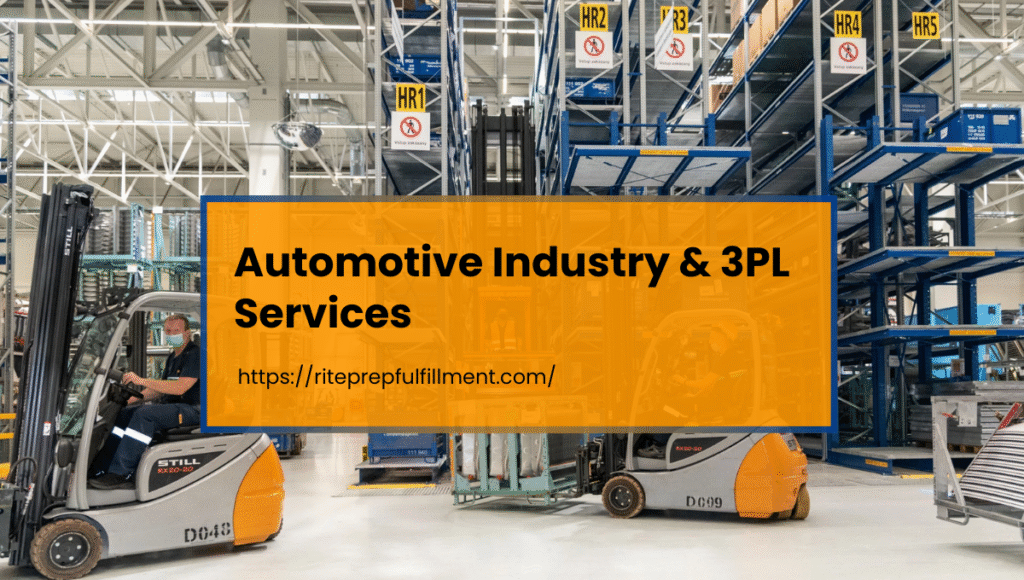
The automotive industry, with its complex supply chain, is a heavy user of 3PL services. Auto manufacturers and parts suppliers deal with high volumes of components, from small brake pads to large vehicle bodies. They also often operate just-in-time assembly lines, which demand precise timing for every part delivery. 3PL providers excel in this environment by managing the transportation and warehousing of parts at scale.
Key 3PL roles in automotive include:
1) Specialized Transportation
3PLs coordinate shipping for oversized or heavy loads (like engines or body panels) and smaller replacement parts. They work with a network of carriers (including asset-based and contract fleets) to negotiate better rates and ensure on-time delivery. For example, a 3PL may use dedicated freight lanes to deliver parts just before assembly.
2) Short- & Long-Term Storage
Automotive production peaks at different times of the year. 3PL warehouses provide flexible storage for parts inventories, ramping up space for peak months and scaling down in slower periods. This flexibility supports “just-in-time” manufacturing without the manufacturer owning all that space.
3) Kitting & Assembly Services
To speed up production lines, 3PLs can pre-assemble kits of parts (e.g., all components needed to install a door on the line) or bundle related items together. This value-added service reduces handling at the factory and cuts assembly time.
4) Rapid Order Fulfillment
Distributors of aftermarket parts (for repairs and maintenance) also use 3PLs. When a car part is ordered online or by a mechanic, the 3PL’s systems pick, pack, and ship it quickly, helping companies meet customer expectations for fast service.
These automotive 3PL solutions minimize downtime and waste. By having a 3PL manage inventory and delivery, car companies avoid overstocking parts and can respond quickly to production changes. A modern automotive supply chain often spans countries, so 3PLs’ experience in multi-modal shipping (road, rail, sea) and compliance with transport regulations is crucial. In practice, major auto brands like Ford and Toyota partner with 3PLs to ensure their assembly lines run smoothly, and dealers receive parts without delay.
Healthcare & Pharmaceutical Industry
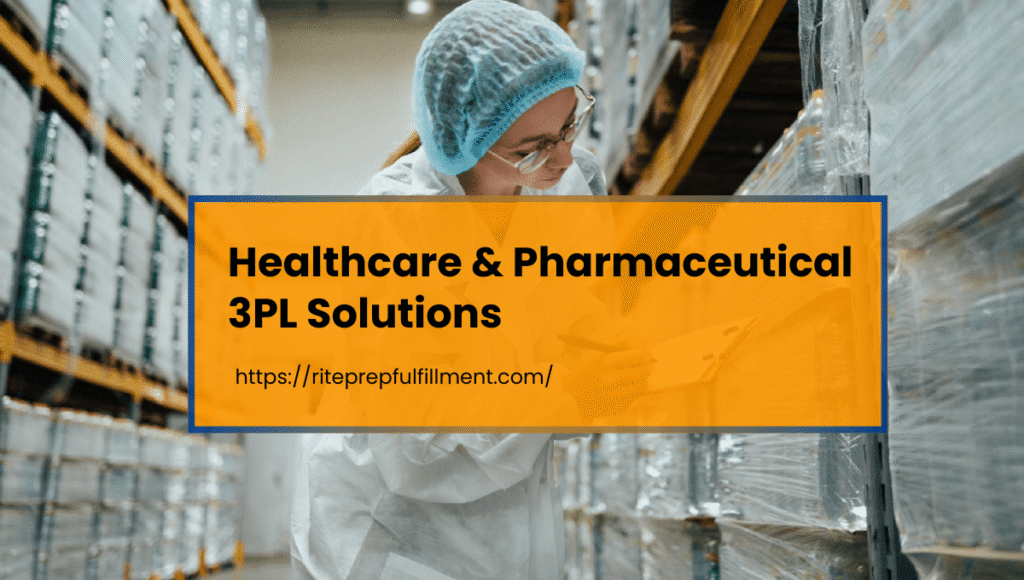
Healthcare and pharmaceutical logistics are high-stakes: delays or mistakes can directly affect patient health. These industries use 3PL services to ensure compliance, speed, and security. For example, medical equipment and supplies must be delivered reliably to hospitals worldwide, where missing a shipment of critical supplies could be life-threatening. Likewise, pharmaceutical products often require temperature-controlled shipping (cold chain) and tight regulatory controls (FDA, EMA guidelines). 3PL companies have the specialized capabilities to handle these needs.
Key considerations for healthcare/pharma 3PL:
1) Regulatory Compliance
3PLs serving pharma must comply with standards like Good Distribution Practice (GDP). They maintain detailed records, chain-of-custody logs, and often have certified processes for drug handling. This reduces the risk of contamination or theft.
2) Temperature-Controlled Logistics
Many medicines, vaccines, and biologics need refrigeration or even cryogenic conditions. 3PL providers offer cold-chain warehousing and refrigerated transport to maintain the required conditions. For instance, they use climate-controlled trucks and monitored storage to keep vaccines viable.
3) Secure & Specialized Warehousing
Medical products are high-value and sensitive. 3PL warehouses for healthcare often feature enhanced security, cleanroom areas, and systems to track products precisely. They use barcode and RFID tracking so clients always know where each batch is.
4) Rapid Distribution
In emergencies (like a disease outbreak), 3PLs can rapidly scale distribution. Their networks and inventory management mean critical supplies can be rerouted or expedited quickly, aiding patient care.
By partnering with a 3PL, hospitals and drug makers ensure timely delivery without having to maintain their own logistics staff. The 3PL’s expertise means fewer stockouts of lifesaving products. For example, companies like Pfizer and Merck use specialized 3PLs to manage vaccine distribution globally, taking advantage of the 3PL’s technology and carrier networks. Overall, third-party logistics in healthcare minimizes risk and ensures that sensitive products arrive intact and on time.
Food & Beverage Industry
The food and beverage industry faces unique challenges from perishable inventories to strict safety regulations. Companies in this sector routinely rely on 3PLs to manage everything from cold storage to shelf-life tracking. For instance, under the FDA’s Food Safety Modernization Act (FSMA), producers must maintain detailed traceability of ingredients and finished products. A quality 3PL partner helps comply with these rules.
3PL services for food & beverage include:
1) Cold-Chain Warehousing
Perishable goods like produce, dairy, and frozen items require precise temperature control. 3PLs provide refrigerated warehouses and transportation to keep items fresh. They also rotate stock by first-expiry-first-out (FEFO) methods, ensuring older items ship first.
2) Inventory & Traceability Tech
3PL providers employ real-time tracking (RFID tags, barcode scanners) to monitor food items at every step. This data supports compliance with food safety standards and enables quick recalls if needed.
3) Flexible Capacity
Food production can be seasonal or hit by spikes (e.g., holiday demand). 3PLs scale their operations accordingly, adding storage space or delivery trucks during peaks. This prevents spoilage from overstocking and keeps costs in check.
4) Specialized Distribution
Beverages and packaged foods often have complex distribution (to retailers, restaurants, etc.). 3PLs help consolidate shipments for efficiency and plan multi-stop routes to keep products moving swiftly.
By using a 3PL, food companies avoid the capital expense of building their own cold warehouses. For example, dairy brands or frozen-food producers partner with logistics firms that guarantee their goods stay within safe temperature ranges during transit. 3PL providers also help schedule just-in-time deliveries so items arrive “just before” sale, maximizing freshness. In effect, the right 3PL ensures that perishable products reach consumers in peak condition while meeting all regulatory requirements.
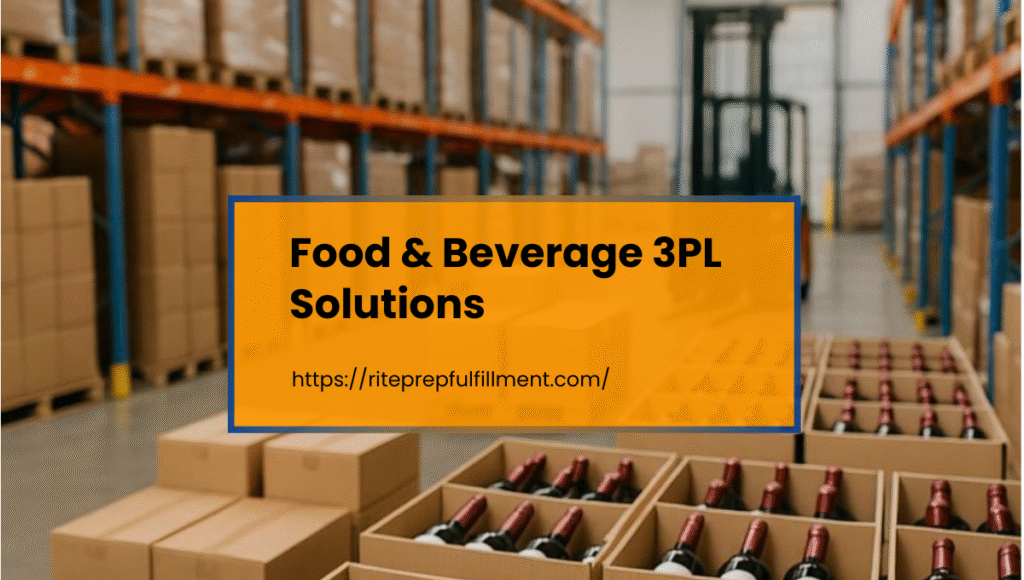
Table: Comparison of 3PL Use by Industry
| Industry | Typical Challenges | 3PL Services Provided |
| E-commerce & Retail | High order volumes; fast-delivery expectations; returns management | Distributed order fulfillment; automated returns processing; multi-channel integration |
| Manufacturing | Just-in-time supply needs; raw materials flow; production continuity | Dedicated warehousing; freight brokerage; on-site logistics and inventory management |
| Automotive | Complex parts distribution; assembly-line timing; large/heavy shipments | Scalable parts warehouses; specialized transport (FTL, drayage); kitting/assembly services |
| Healthcare/Pharma | Strict regulations; cold chain; high-stakes timing | Temperature-controlled storage/transport; compliance tracking; secure returns management |
| Food & Beverage | Perishability; safety/traceability standards; seasonality | Refrigerated warehousing; RFID/barcode tracking; dynamic routing & cold-chain shipping |
Table: Summary of how 3PL providers address each industry’s logistics needs.
By examining each industry’s needs, it’s clear why industries using 3PL rely on these experts. Whether it’s fast-moving consumer goods, high-tech electronics, or critical healthcare supplies, 3PL partners provide the scalable infrastructure and know-how to streamline supply chains. For more details on 3PL solutions by sector and top providers, see RitePrep Fulfillment’s industry guides. For example, check out our insights on Order Processing & Returns and Warehousing & Fulfillment to see how we support e-commerce and retail clients.
FAQs: Industries Using 3PL
What industries most often use 3PL logistics?
Virtually any industry with goods to store or ship can use 3PL services. In practice, the largest sectors are e-commerce/retail, manufacturing, automotive, healthcare/pharmaceutical, and food & beverage. These industries benefit greatly from outsourcing warehousing, transportation, and fulfillment. Even apparel, electronics, and cosmetics companies commonly leverage 3PLs to streamline operations and focus on core work. Smaller retailers or startups also use 3PLs once order volumes grow beyond what they can handle in-house.
Why do e-commerce businesses use 3PL providers?
E-commerce brands need to ship orders quickly across the country. A 3PL gives them access to multiple warehouses and shipping discounts without owning infrastructure. 3PLs can offer two-day or overnight delivery options (and handle large order spikes) much more cost-effectively. They also manage tedious tasks like picking, packing, and returns processing. As a result, online stores save time on logistics and improve customer satisfaction by delivering on the fast, accurate service shoppers expect.
How does a 3PL help a manufacturing company?
Manufacturers often need materials delivered just in time. A 3PL provides warehouse space near the factory and arranges regular freight runs, ensuring raw materials arrive when needed. This keeps production lines running smoothly. The 3PL can also handle shipments of finished goods to distributors or retailers, allowing manufacturers to focus on making products. Many manufacturers also use 3PL inventory management and freight services to cut costs and increase reliability.
Why is 3PL important in healthcare and pharma?
Healthcare and pharma supply chains are highly regulated and time-sensitive. 3PL firms specializing in life sciences have the technology and processes (like controlled-temperature storage, detailed tracking, and compliance reporting) to handle medicines and medical supplies safely. They make sure critical items (e.g., vaccines, surgical tools) are stored correctly and delivered on schedule. Using a 3PL reduces the risk of spoilage or regulatory penalties and lets healthcare companies leverage expert logistics without building it in-house.
What food and beverage companies rely on 3PL services?
Any company with perishable goods, from farm-to-market produce suppliers to packaged food brands, uses 3PL for cold storage and fast shipping. For example, dairy, meat, and fresh produce distributors work with 3PLs that maintain strict temperature controls and FIFO inventory rotation. Beverage companies (like soda or brewery producers) also use 3PLs to transport large loads and manage seasonal surges. In short, 3PLs help food/beverage businesses keep products fresh and compliant with food safety laws.