Third-party logistics (3PL) companies are the backbone of modern e-commerce and supply chains. In today’s high-speed market, these providers rely on advanced 3PL Technology to manage inventory, orders, and shipments with maximum efficiency. 3PL Technology refers to the suite of digital tools, like warehouse management systems and transportation software, that automate and optimize every stage of fulfillment.
For example, a Warehouse Management System (WMS) enables 3PLs to efficiently handle multiple clients’ inventories and orders, while a Transportation Management System (TMS) orchestrates shipments across trucking, rail, air, and sea, optimizing routes and providing real-time data. Together, these systems (along with real-time tracking and AI-driven automation) help 3PLs cut costs, improve delivery speed, and scale with demand. To see how this fits into our offerings, check our 3PL Services page.
Transportation Management System (TMS) for 3PL
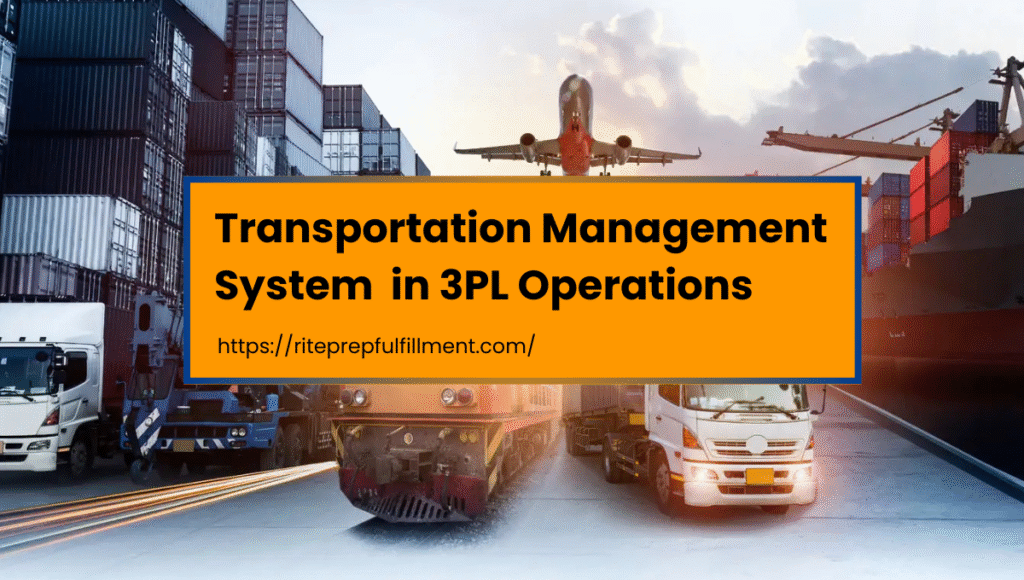
A TMS (Transportation Management System) is software that plans, executes, and optimizes the movement of goods. For 3PL providers, the TMS is the digital backbone of transportation operations. It supports multi-modal shipments (truckload, LTL, air, rail, etc.) and uses carrier-matching algorithms to find the best routes by cost and transit time. TMS platforms automate many manual tasks, such as tendering loads to carriers, comparing freight rates, and generating shipping documents. They also integrate with carriers and telematics for real-time shipment status.
1) Automation and Efficiency
A TMS streamlines route planning and carrier selection, dramatically reducing manual work. For example, automated rate shopping and load scheduling mean fewer phone calls and paperwork.
2) Real-Time Visibility
Modern 3PL TMS platforms provide instant shipment tracking. Advanced systems give instant access to location data, delivery estimates, and exception alerts, enabling 3PLs to monitor all active shipments on a single dashboard. This visibility lets teams proactively solve problems and keep customers informed.
3) Cost Savings
By optimizing freight routes and consolidating shipments, a TMS cuts transportation costs. Inbound Logistics notes that companies using TMS can save up to 10% on shipping and improve delivery times by 20%. Bulk-rate freight contracts and reduced empty miles further boost savings.
4) Enhanced Customer Service
TMS-driven tracking means customers get accurate ETAs and status updates. With real-time data, 3PL providers can answer shipment queries instantly and update customers on delays. This transparency builds trust and reduces the volume of where is my order? inquiries.
By automating freight auditing, compliance checks, and carrier communications, a robust TMS helps any 3PL scale operations without adding layers of manual labor. Combined with our Benefits of 3PL page, you can see how TMS-driven efficiencies translate to higher ROI and customer satisfaction.
Warehouse Management System (WMS) for 3PL
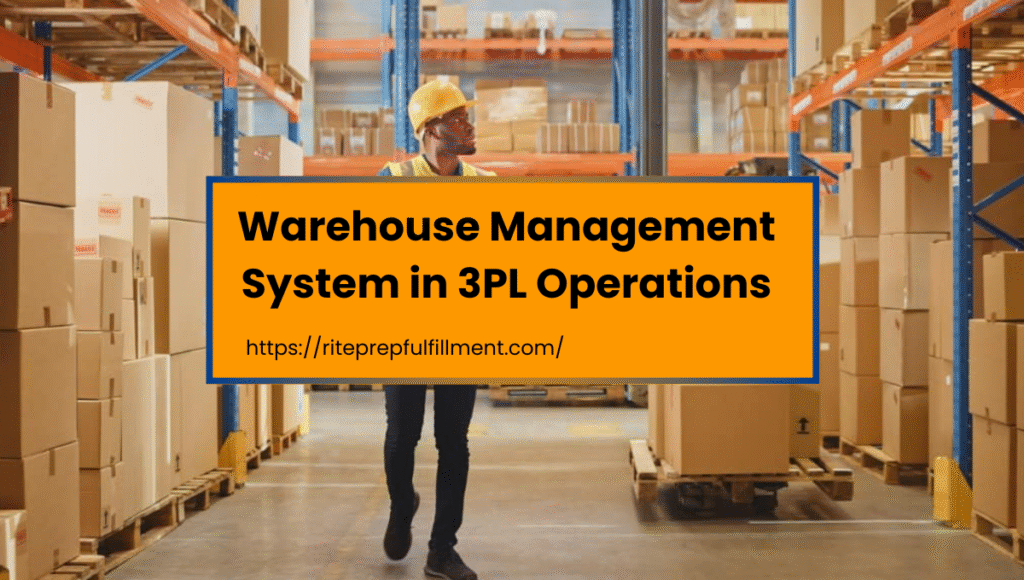
A WMS (Warehouse Management System) is specialized software for managing a 3PL’s warehouse operations and inventory. In a 3PL environment, a single WMS must handle multiple clients’ inventory, orders, and billing simultaneously. This multi-client capability is key: it ensures each brand’s products are tracked independently while sharing the same physical space. A strong WMS automates routine warehouse tasks, receiving, bin allocation, picking, packing, and shipping, eliminating error-prone manual processes. It links barcode/RFID scanning and IoT sensors to real-time data, keeping inventory counts accurate.
1) Improved Accuracy
By automating scanning, data entry, and order assembly, a WMS minimizes human errors. Real-time data capture ensures stock levels are precise, preventing costly stockouts or overstocks. Automated packing and sorting further reduce mis-shipments, lowering returns and manual rework costs.
2) Increased Efficiency
A WMS directs warehouse workers along optimal routes for picking and replenishment, maximizing labor productivity. It seamlessly integrates with other systems (like our TMS or clients’ ERPs), so data flows automatically across departments. The result is faster order processing and fewer delays in fulfillment.
3) Scalability
As your business grows, the WMS grows with it. Modern 3PL WMS solutions can handle surges in order volume, add new warehouse locations, and onboard new clients without major changes. Whether it’s holiday peaks or expanded services, a scalable WMS ensures operations stay smooth without extra staffing.
4) Enhanced Client Satisfaction
With a WMS, clients can receive real-time inventory and order status. This transparency builds trust; clients see exactly what’s in stock and when orders ship. Faster, error-free fulfillment means on-time deliveries and fewer delays. The system also provides customizable reporting, so each client gets insights into their own operations.
Investing in a modern WMS is crucial for any 3PL that values accuracy and speed. Today’s WMS platforms even include advanced tools like AI-driven forecasting and warehouse robotics to further boost throughput. For example, predictive algorithms can suggest optimal stock levels or layout changes, while picking robots handle high-volume orders. In short, a strong WMS maximizes efficiency on the warehouse floor, which directly translates to lower costs and faster delivery for your clients.
Real-time Tracking & Visibility in 3PL
Real-time tracking and visibility tools give 3PLs and their clients immediate insight into where goods are, both in the warehouse and on the road. This technology layer uses sensors and software (barcodes, RFID, GPS, IoT devices, and cloud integrations) to update the status of inventory and shipments the moment anything moves.
For example, scanning a pallet updates the WMS instantly, and GPS devices on trucks feed live location data to your dashboard. This constant flow of information creates an end-to-end view of the supply chain.
1) Inventory Tracking
In the warehouse, real-time systems track every SKU. When an item is received, stored, picked, or shipped, the WMS database updates immediately. This means 3PLs always know exact stock levels. Automated alerts can trigger reorders when goods run low, and help prevent misplaced inventory by flagging anomalies.
2) Shipment Tracking
For moving freight, real-time tools monitor vehicles via GPS and telematics. Dispatchers see estimated arrival times (ETAs) and can reroute trucks around traffic or weather issues. Telematics also provides data on vehicle status (fuel, speed, etc.) to improve efficiency and safety.
3) Business Benefits
Real-time visibility translates into tighter control. Companies gain better inventory control and reduced stockouts/overstocks because they act on live data. Errors or delays are flagged immediately, so fixes can occur before customers notice. This agility reduces operational costs – for example, avoiding rush shipments or holding excess safety stock.
4) Customer Experience
Customers today expect full transparency. Providing them with accurate, up-to-the-minute tracking links greatly enhances satisfaction. Shoppers get precise delivery estimates and can check progress on an online map, which builds trust and reduces where is my order? calls. Studies show that 88% of customers say real-time tracking is critical to a good experience.
In practice, real-time visibility is the glue that connects WMS, TMS, and other systems. By syncing data across platforms via APIs or cloud services, information is consistent at every touchpoint. Modern 3PLs leverage these tools to ensure that everyone, from warehouse staff to end customers, sees the same live data. The result is a faster, error-resistant supply chain.
Key 3PL Technologies at a Glance
| Technology | What It Does | Key Benefits for 3PL |
| TMS | Plans and tracks multi-modal shipments (truck, air, etc.) | Cuts shipping costs through optimized routing; provides real-time transport visibility |
| WMS | Manages warehouse inventory, orders, and fulfillment | Boosts accuracy and throughput via automation; scales easily with volume |
| Real-Time Tracking | Live monitoring of orders via GPS, RFID, IoT, and cloud systems | Improves transparency; reduces delays by enabling proactive action |
| Automation & AI | Uses robots, RPA, and algorithms to automate logistics tasks | Speeds up processes, reduces errors, and lowers labor costs |
Automation & AI in Logistics
Automation and artificial intelligence (AI) are revolutionizing logistics by handling tasks and decisions once done manually. In a 3PL context, automation ranges from physical robots in warehouses to software bots and smart algorithms. These systems learn and optimize over time, making the supply chain faster and more adaptable.
1) Predictive Analytics:
AI models analyze past data and external factors (like seasonality or promotions) to forecast demand. This means inventory levels and staffing can be optimized in advance. According to experts, AI now drives pinpoint precision in forecasts, avoiding costly stockouts or overstocks.
2) Smart Routing
Machine learning tools incorporate traffic, weather, and delivery requirements to find the quickest, most fuel-efficient routes. 3PLs use AI-powered freight-matching that constantly seeks faster or cheaper paths, improving on static route plans.
3) Warehouse Robotics
Automated guided vehicles (AGVs), robotic arms, and automated sorters pick and pack orders with minimal human intervention. This reduces labor costs and errors, and it keeps the warehouse running 24/7. As a result, throughput and order accuracy significantly improve.
4) Back-Office Automation
AI-driven RPA (Robotic Process Automation) systems take over repetitive clerical tasks. For example, an AI can read shipment requests from email and auto-fill data into the TMS, or instantly generate bills of lading and billing statements. This frees staff to focus on strategy, not data entry.
5) Higher ROI
By automating routine tasks and optimizing operations, AI can cut 3PL operating expenses dramatically. According to industry analyses, AI-enabled 3PLs achieve lower labor costs, more reliable shipping, and higher customer satisfaction. In fact, automation and AI are paving the way for a smarter, more efficient logistics industry.
In short, Automation & AI in Logistics allow 3PLs to scale efficiently. They ensure the right resources are deployed at the right time – whether that’s a robot handling a busy morning picklist or an algorithm flagging a delayed shipment. Embracing these technologies is no longer optional; it’s how a 3PL stays competitive.
Table: Comparing 3PL Systems
| Component | Primary Function | Role in 3PL Efficiency |
| TMS | Orchestrates transportation (routing, booking) | Consolidates shipments; automates carrier selection and compliance |
| WMS | Manages warehousing (stock, orders, labor) | Automates fulfillment; integrates multi-client inventories |
| Real-Time Visibility | Tracks inventory/shipments live | Enables proactive issue resolution; enhances customer trust |
| Automation & AI | Self-learning processes (robotics, analytics) | Forecasts demand; automates tasks; drives continuous improvement |
Each piece of the technology stack feeds data to the others. For example, a WMS can trigger the TMS to schedule a carrier as soon as an order is packed, and real-time updates flow back to inform clients. When done right, this interconnected system delivers significant ROI: reduced errors, lower labor costs, and shorter delivery times. See our Benefits of 3PL article for detailed ROI insights.
Embracing these technologies is essential for modern 3PLs. By integrating TMS, WMS, real-time tracking, and automation/AI, logistics providers can operate leaner and faster while improving service levels.
FAQs
What is 3PL technology?
It refers to the digital systems (like WMS, TMS, and tracking tools) that 3PL providers use to manage logistics. These technologies automate order fulfillment, transportation, and data tracking to make operations more efficient.
How does a TMS benefit my 3PL business?
A TMS optimizes your shipping network by automating route planning, carrier selection, and freight auditing. This leads to lower transport costs and faster deliveries. For example, advanced TMS software provides real-time visibility into each shipment and automates documentation, greatly reducing manual work.
What advantages does a WMS provide?
A WMS streamlines warehouse operations. It automates scanning, picking, and packing, ensuring inventory accuracy and speed. As a result, errors drop and throughput rises. Studies show that WMS implementations significantly cut order processing time and labor costs.
Why is real-time tracking important?
Real-time tracking gives live updates on orders from inventory to delivery. This means everyone (your team and your customers) knows exactly where products are. Such transparency allows you to fix delays before they become problems and gives customers confidence through precise delivery estimates.
How do automation and AI improve logistics?
Automation (like robots and RPA) and AI (like machine learning) handle routine tasks and make smart decisions. They can forecast demand, optimize routes, and process documents automatically. The result is faster fulfillment with fewer mistakes. Experts note that AI automates routine tasks, optimizes labor deployment, and improves shipping efficiency, cutting overall costs.